


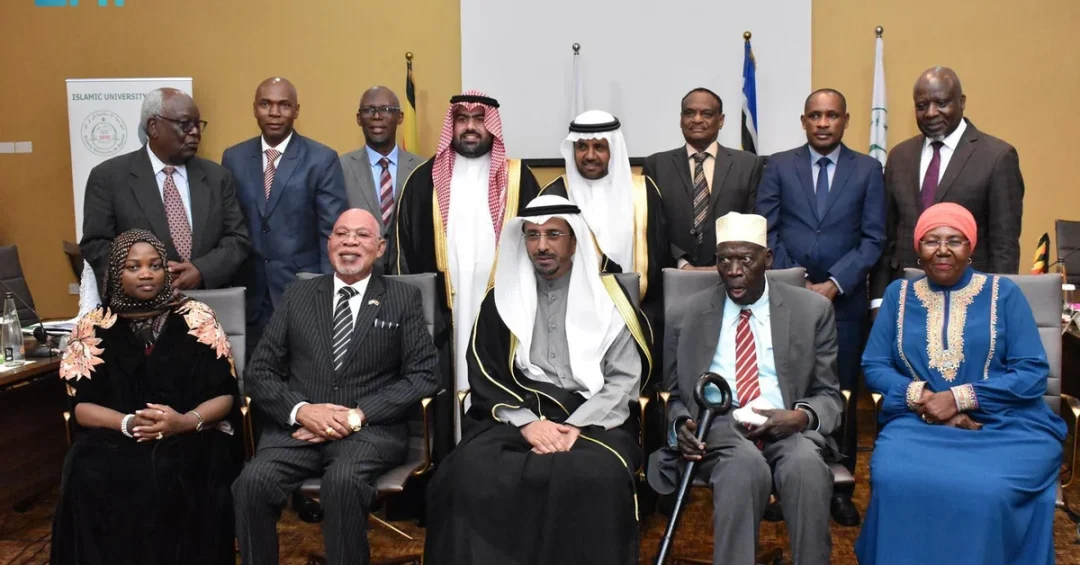
The Islamic Solidarity Fund (ISF), a subsidiary of the Organization of Islamic Cooperation (OIC), participated in the 38th session of the Board of Trustees of the Islamic University in Uganda in December 2024. The delegation was led by Vice-Chairman of the Permanent Council of ISF Dr. Saleh bin Hamad Al-Suhaibani and included Executive Director of the Fund Mohammed bin Suleiman Aba Al-Khail. The event also featured the graduation ceremony for the university’s 33rd batch of male and female students, highlighting ongoing educational development in the region.
Context and Background
The Islamic Solidarity Fund has a long-standing commitment to supporting higher education across OIC member states. Since its establishment, the ISF has allocated approximately $92 million to support 145 universities, colleges, and institutes worldwide. This includes substantial contributions to the Islamic University in Uganda, totaling $23 million as of 2024. The fund focuses on developing universities and preparing graduates to meet the demands of the labor market, aligning with broader educational goals.
Key Details
During the 38th session, Dr. Saleh bin Hamad Al-Suhaibani underscored ISF’s dedication to fostering educational progress. In his speech, he emphasized that “education is a cornerstone for the progress of individuals and societies.” The delegation signed a financial grant agreement with the Islamic University in Uganda to cover tuition fees for underprivileged students from outside Uganda. The ISF reaffirmed its commitment to the university’s growth, pledging ongoing support for construction, educational initiatives, and scholarships through a comprehensive work program.
Implications and Impact
The participation of ISF in this session reinforces Saudi Arabia’s broader role in promoting educational development within the Islamic world. By supporting institutions like the Islamic University in Uganda, the Kingdom contributes to building human capital and fostering stability in the region. The grant agreement specifically targets underprivileged students, expanding access to quality education and enhancing opportunities for cross-border academic cooperation.
Vision 2030 Alignment
This initiative aligns closely with Saudi Arabia’s Vision 2030, which prioritizes education as a driver of economic and social development. Through the ISF, the Kingdom extends its commitment to global knowledge sharing and human capacity building, reinforcing its position as a leader in international cooperation. Such efforts support long-term goals of empowering communities and fostering sustainable growth across OIC member states.
20 Questions
Q1. What is the Islamic Solidarity Fund (ISF)?
A1. The ISF is a subsidiary of the Organization of Islamic Cooperation (OIC) focused on providing financial support for educational and cultural projects in member states.
Q2. Who led the ISF delegation to Uganda?
A2. The delegation was led by Vice-Chairman of the Permanent Council of ISF Dr. Saleh bin Hamad Al-Suhaibani, alongside Executive Director Mohammed bin Suleiman Aba Al-Khail.
Q3. What was the purpose of the 38th session?
A3. The 38th session of the Board of Trustees aimed to discuss the university’s progress and strategic plans, while also celebrating the graduation of its 33rd batch of students.
Q4. How much has the ISF allocated to universities globally?
A4. Since its establishment, the ISF has allocated approximately $92 million to support 145 universities, colleges, and institutes across OIC member states.
Q5. What is the ISF’s financial contribution to the Islamic University in Uganda?
A5. The ISF has provided $23 million to the Islamic University in Uganda as of 2024, supporting infrastructure and scholarships.
Q6. What agreement was signed during the session?
A6. A financial grant agreement was signed to cover tuition fees for underprivileged students from outside Uganda.
Q7. What did Dr. Al-Suhaibani emphasize in his speech?
A7. He emphasized that education is a cornerstone for the progress of individuals and societies.
Q8. How does this event support education in Uganda?
A8. It provides financial aid to underprivileged students and supports university growth, enhancing access to higher education.
Q9. What is the role of the OIC in this initiative?
A9. The OIC, through its subsidiary ISF, facilitates cooperation and funding to promote education in member states.
Q10. How does this align with Vision 2030?
A10. Vision 2030 prioritizes education and human capital development, which this initiative supports by funding academic projects globally.
Q11. What are the long-term goals of the ISF?
A11. The ISF aims to develop universities and prepare graduates to meet labor market demands, fostering sustainable growth.
Q12. Who benefits from the grant agreement?
A12. Underprivileged students from outside Uganda benefit from the grant, which covers their tuition fees.
Q13. How many students graduated in the 33rd batch?
A13. The exact number is not specified, but the ceremony celebrated the graduation of both male and female students.
Q14. What is the significance of ISF’s support?
A14. It strengthens educational infrastructure and fosters cross-border cooperation within the Islamic world.
Q15. How does Saudi Arabia contribute to this?
A15. Saudi Arabia, as a key OIC member, supports the ISF’s work, reflecting its commitment to global education.
Q16. What sectors does the ISF fund?
A16. The ISF funds universities, colleges, and institutes, focusing on construction, educational initiatives, and scholarships.
Q17. Is this the first ISF involvement in Uganda?
A17. No, the ISF has provided ongoing support to the Islamic University in Uganda since its establishment.
Q18. What is the Islamic University in Uganda’s mission?
A18. The university aims to provide quality higher education, particularly for students from Islamic communities in Africa.
Q19. How does this impact regional stability?
A19. By improving education access, it promotes economic opportunities and social development, contributing to stability.
Q20. What future plans does the ISF have for the university?
A20. The ISF pledged ongoing support for construction, educational initiatives, and scholarships through a comprehensive work program.
Reader Feedback
We value your thoughts. Please share your feedback on this article.
Your feedback helps us improve our coverage.