


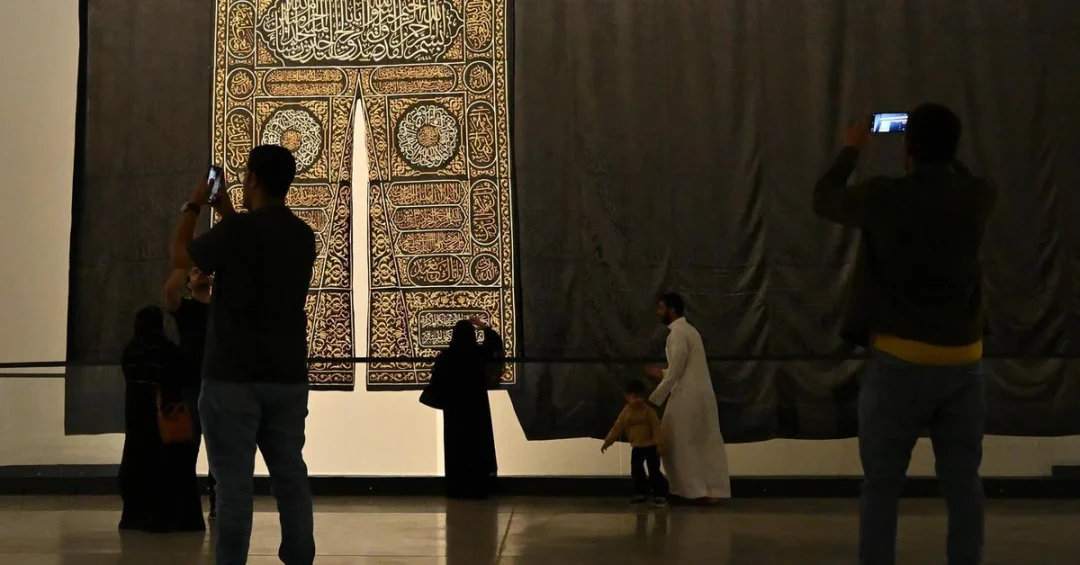
The Diriyah Biennale Foundation has opened the second edition of the Islamic Arts Biennale, titled “And All That Is In Between,” at the Western Hajj Terminal of King Abdulaziz International Airport in Jeddah. This landmark exhibition, running from January 29, 2025, brings together over 30 artists from the Kingdom of Saudi Arabia and around the world, showcasing both historical treasures of Islamic civilization and contemporary works that explore creative expressions of faith.
Context and Background
The Islamic Arts Biennale serves as a major cultural initiative under the Kingdom’s Vision 2030, which seeks to diversify the economy and promote Saudi Arabia as a global hub for arts and culture. The event is organized by the Diriyah Biennale Foundation, an institution dedicated to hosting world-class exhibitions that bridge heritage and modernity. The Western Hajj Terminal, a site of spiritual significance for millions of pilgrims, provides a fitting venue for an exploration of Islamic artistic traditions.
Key Details
The Biennale features five indoor galleries and several outdoor spaces, presenting a diverse range of artifacts, including historical religious objects, maps, jewelry, and contemporary artworks. Many pieces examine the concept of gardens in Islamic civilization, highlighting traditional garden design, the natural world, and contemporary environmental and social themes. The exhibition includes works by Saudi and international artists, fostering cultural dialogue and creative exchange.
Implications and Impact
This Biennale positions Saudi Arabia as a leading curator of Islamic heritage while supporting contemporary artistic innovation. By hosting such an event, the Kingdom attracts global attention from art collectors, historians, and tourists, boosting cultural tourism and reinforcing its role as a bridge between East and West. The exhibition also provides a platform for artists from the Islamic world to share their perspectives on faith and creativity.
Vision 2030 Alignment
The Islamic Arts Biennale directly supports Vision 2030 goals by promoting cultural tourism, fostering creative industries, and enhancing the Kingdom’s international cultural standing. By showcasing the richness of Islamic civilization and contemporary art, the event reinforces Saudi Arabia’s commitment to preserving heritage while embracing innovation, contributing to a vibrant society and diversified economy.
20 Questions
Q1. What is the Islamic Arts Biennale?
A1. The Islamic Arts Biennale is a major exhibition organized by the Diriyah Biennale Foundation, showcasing both historical Islamic artifacts and contemporary artworks. It is held in Jeddah, Saudi Arabia.
Q2. What is the title of the second edition of the Biennale?
A2. The second edition is titled “And All That Is In Between,” reflecting the diverse range of artworks and themes exploring Islamic civilization and creativity.
Q3. Where is the Biennale being held?
A3. The Biennale is held at the Western Hajj Terminal of King Abdulaziz International Airport in Jeddah, a venue with spiritual significance for pilgrims.
Q4. When did the Biennale open?
A4. The Biennale opened on January 29, 2025, as announced by the Saudi Press Agency.
Q5. Who organizes the Islamic Arts Biennale?
A5. The Biennale is organized by the Diriyah Biennale Foundation, an institution dedicated to hosting world-class cultural exhibitions.
Q6. How many artists are participating in the Biennale?
A6. Over 30 artists from the Kingdom of Saudi Arabia and around the world are participating in the Biennale.
Q7. What types of artworks are on display?
A7. The exhibition includes historical artifacts, religious objects, maps, jewelry, and contemporary artworks exploring Islamic civilization.
Q8. What themes do the artworks explore?
A8. Themes include gardens in Islamic civilization, the natural world, traditional Islamic garden design, and contemporary environmental and social issues.
Q9. How many galleries does the Biennale feature?
A9. The Biennale features five indoor galleries and several outdoor spaces.
Q10. What is the significance of the venue?
A10. The Western Hajj Terminal is a site of spiritual importance for millions of pilgrims, providing a meaningful backdrop for an exhibition on Islamic art.
Q11. How does the Biennale support Vision 2030?
A11. It promotes cultural tourism, fosters creative industries, and enhances Saudi Arabia’s international cultural standing, key goals of Vision 2030.
Q12. What is the Diriyah Biennale Foundation?
A12. The Diriyah Biennale Foundation is a Saudi institution that organizes biennales and cultural events, bridging heritage and modernity.
Q13. Are there international artists participating?
A13. Yes, the Biennale features artists from the Kingdom and around the world, fostering cultural dialogue.
Q14. What is the role of contemporary art in the Biennale?
A14. Contemporary art highlights ongoing artistic contributions of Islamic civilization, allowing visitors to explore creative expressions of faith.
Q15. How does the Biennale attract global attention?
A15. By showcasing unique artifacts and artworks, the event attracts art collectors, historians, and tourists from around the world.
Q16. What is the connection to Hajj?
A16. The Biennale is held at the Hajj Terminal, linking the exhibition to the spiritual journey of pilgrimage.
Q17. Can visitors learn about Islamic faith through art?
A17. Yes, the Biennale allows visitors to learn about creative expressions of faith, encompassing senses, thought, and creativity.
Q18. What is the duration of the Biennale?
A18. The exact duration is not specified, but the Biennale opened on January 29, 2025, and typically runs for several months.
Q19. Is the Biennale open to the public?
A19. Yes, the Biennale is open to the public, offering an accessible cultural experience for visitors of all backgrounds.
Q20. How does the Biennale reflect Saudi Arabia’s cultural ambitions?
A20. It showcases the Kingdom’s leadership in preserving Islamic heritage while embracing modern art, reinforcing its role as a global cultural hub.
Reader Feedback
We value your thoughts. Please share your feedback on this article.
Your feedback helps us improve our coverage.