


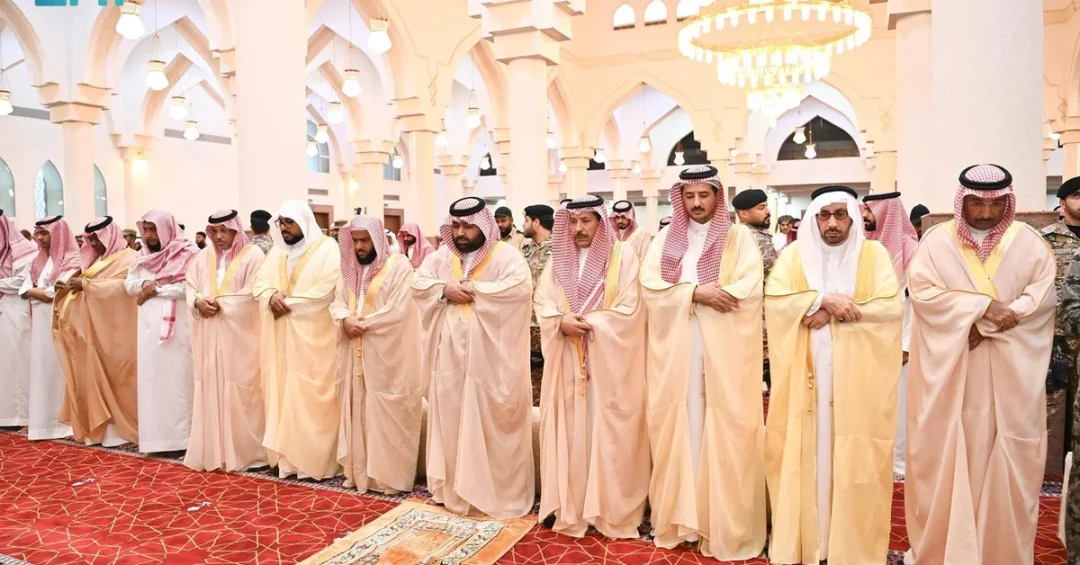
The Istisqa (rain-seeking) prayer was performed across the Kingdom of Saudi Arabia on November 28, 2024, following the Sunnah of Prophet Muhammad, peace be upon him. The prayer, conducted in accordance with Islamic tradition, was held in various regions as a communal supplication for rainfall during a period of drought.
Context and Background
The Istisqa prayer is a deeply rooted practice in Saudi Arabia, reflecting the nation’s Islamic heritage. It is performed during times of drought or delayed rain, where Muslims gather to pray collectively for Allah’s mercy and blessing of rain. The prayer is led by imams who deliver sermons emphasizing repentance, gratitude, and reliance on God. This tradition underscores the Kingdom’s commitment to preserving religious customs.
Key Details
The prayer was organized on the instructions of local authorities, with mosques and designated prayer grounds across the Kingdom hosting the event. Worshippers participated in large numbers, demonstrating the community’s solidarity in faith. The Saudi Press Agency reported that the prayer was conducted at 10:31 AM local time (07:31 GMT), highlighting the coordination across regions. Such gatherings are a testament to the Kingdom’s unified approach to fostering spiritual well-being.
Implications and Impact
The performance of the Istisqa prayer holds cultural and social significance, reinforcing communal bonds during environmental challenges. It aligns with Saudi Arabia’s broader efforts to address water scarcity through both religious practices and modern initiatives, such as the Vision 2030 water management projects. This act of faith complements the Kingdom’s sustainable development goals, demonstrating a holistic approach to resource stewardship.
20 Questions
Q1. What is the Istisqa prayer?
A1. The Istisqa prayer is a traditional Islamic prayer seeking rainfall, performed in times of drought. It follows the Sunnah of Prophet Muhammad and involves communal supplication to Allah.
Q2. Why was the Istisqa prayer performed in Saudi Arabia?
A2. The prayer was conducted due to delayed rainfall and dry conditions, aligning with Islamic tradition to seek divine mercy for rain in times of need.
Q3. When was the Istisqa prayer held?
A3. The prayer was performed on November 28, 2024, at 10:31 AM local time (07:31 GMT), according to the Saudi Press Agency.
Q4. Where was the prayer conducted?
A4. The prayer took place across the Kingdom of Saudi Arabia, including various regions and mosques, as coordinated by local authorities.
Q5. Who leads the Istisqa prayer?
A5. Imams lead the prayer, delivering sermons that focus on repentance, gratitude to Allah, and the importance of communal faith during environmental challenges.
Q6. What is the significance of the Istisqa prayer in Islam?
A6. It is a Sunnah practice that emphasizes reliance on Allah for natural blessings like rain, reinforcing faith and community solidarity during hardship.
Q7. How does the Kingdom of Saudi Arabia support religious traditions?
A7. The Kingdom actively supports Islamic traditions like the Istisqa prayer by organizing events and preserving religious practices as part of its cultural heritage.
Q8. What role does the Saudi Press Agency play in reporting the prayer?
A8. The Saudi Press Agency provides official coverage, ensuring accurate and timely reporting of such events to the public and international audience.
Q9. How does the Istisqa prayer relate to climate challenges?
A9. The prayer addresses spiritual aspects of drought, complementing modern water management strategies under Saudi Vision 2030 to tackle water scarcity.
Q10. Can non-Muslims participate in the Istisqa prayer?
A10. The prayer is a Muslim religious practice, but non-Muslims may observe respectfully. It is primarily for believers to seek divine intervention.
Q11. Is the Istisqa prayer only performed in Saudi Arabia?
A11. No, the prayer is performed in Muslim communities worldwide during droughts, but Saudi Arabia’s organization highlights its leadership in Islamic traditions.
Q12. What message does the Istisqa prayer send about Saudi society?
A12. It reflects the society’s devotion to faith and unity, as citizens gather collectively to seek God’s mercy during environmental difficulties.
Q13. How does the prayer align with Vision 2030?
A13. While faith-based, the prayer complements Vision 2030’s sustainability goals by fostering community resilience and awareness about water resource issues.
Q14. What are the benefits of performing the Istisqa prayer?
A14. Benefits include spiritual renewal, community bonding, and promoting a sense of hope and reliance on divine support during natural challenges.
Q15. Has the prayer been effective in bringing rain historically?
A15. Believers see it as a spiritual act with faith in Allah’s response. The Kingdom continues to combine prayer with modern environmental efforts.
Q16. What precautions are taken during the prayer gathering?
A16. Authorities ensure safe, organized gatherings at mosques and prayer grounds, with protocols for crowd management and public health standards.
Q17. How does the Istisqa prayer reflect Saudi Arabia’s leadership in the Islamic world?
A17. By hosting such prayers, Saudi Arabia demonstrates its role as a custodian of Islamic traditions, inspiring unity among Muslims globally.
Q18. What is the historical origin of the Istisqa prayer?
A18. It originates from the practice of Prophet Muhammad during droughts, as recorded in Islamic texts, establishing it as a Sunnah for seeking rain.
Q19. How do schools in Saudi Arabia educate about the Istisqa prayer?
A19. Schools teach Islamic studies that include the history and significance of the Istisqa prayer, fostering respect for religious traditions among youth.
Q20. What future steps might Saudi Arabia take regarding water scarcity?
A20. Saudi Arabia is investing in water desalination and conservation projects under Vision 2030, alongside faith-based practices to address long-term water needs.
Vision 2030 Alignment
The Istisqa prayer reflects Saudi Arabia’s holistic approach to environmental stewardship, combining spiritual traditions with Vision 2030’s emphasis on sustainable resource management. By encouraging community resilience and awareness, the Kingdom strengthens its commitment to a prosperous future rooted in faith and modernization.
Reader Feedback
We value your thoughts. Please share your feedback on this article.
Your feedback helps us improve our coverage.