


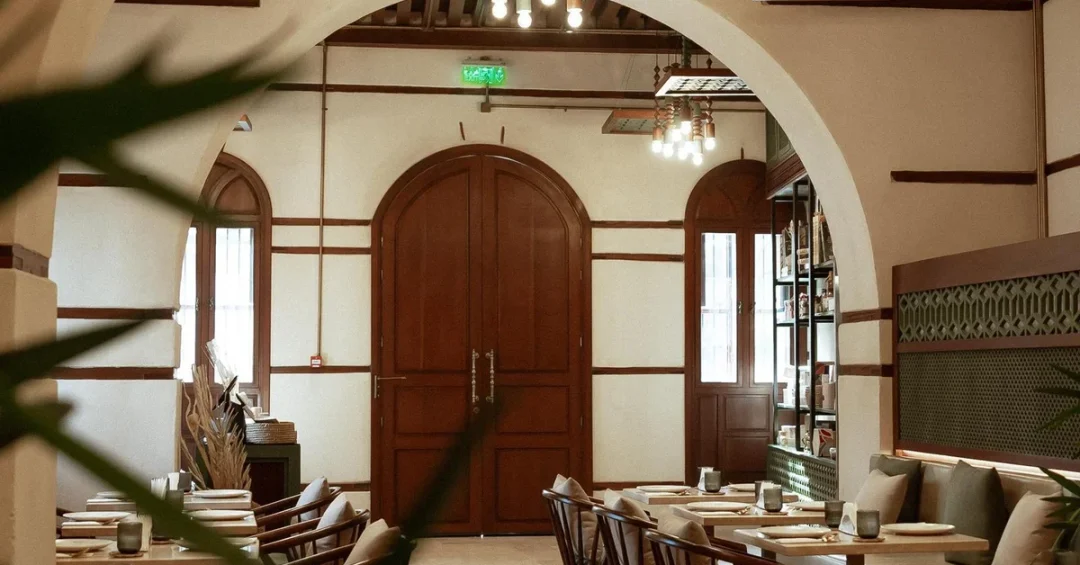
Jeddah’s historic Beit Al Kottab, a building within the UNESCO World Heritage site of Al-Balad, has been carefully restored and reopened as Irth Café and Store, the Saudi Press Agency reported. Located on Gold Street, the newly transformed space is now a cultural and commercial venue dedicated to showcasing Saudi culinary arts. The initiative is part of the Ministry of Culture’s Historic Jeddah Program, which aims to revitalize the area while preserving its rich heritage.
Context and Background
Beit Al Kottab, a historic structure in Jeddah’s Al-Balad district, represents the Kingdom’s deep-rooted architectural and cultural legacy. Al-Balad, a UNESCO World Heritage site, is known for its traditional coral-stone buildings and vibrant history as a trade hub. The building’s restoration aligns with Saudi Arabia’s broader efforts to preserve heritage sites and transform them into functional, cultural spaces that attract both residents and international visitors.
Key Details
The restored building now houses Irth Café and Store, a venue that offers a unique experience reflecting Saudi culture through culinary arts and locally sourced products. The café is open daily except Sundays, from 12 noon to 11 pm. The Historic Jeddah Program, under the Ministry of Culture, oversees the rehabilitation of historic buildings in the area, focusing on enhancing the visitor experience and promoting sustainable tourism.
Implications and Impact
The reopening of Beit Al Kottab as Irth Café and Store is expected to boost cultural tourism in Jeddah, a key Saudi city and a gateway for pilgrims and tourists. By blending heritage preservation with commercial activity, the project supports local artisans and the culinary sector. It also strengthens Jeddah’s appeal as a destination for those seeking authentic cultural experiences, which aligns with the Kingdom’s strategy to diversify its economy beyond oil.
Vision 2030 Alignment
This development directly supports Saudi Vision 2030, which prioritizes cultural preservation, tourism expansion, and economic diversification. Revitalizing historic sites like Beit Al Kottab enhances the Kingdom’s cultural identity and creates new opportunities for entrepreneurship and job creation. The success of such projects reflects Saudi Arabia’s commitment to showcasing its heritage to the world while building a vibrant, sustainable future.
20 Questions
Q1. What is Beit Al Kottab?
A1. Beit Al Kottab is a historic building in Jeddah’s Al-Balad district, a UNESCO World Heritage site. It was once a traditional Qur’anic school and has now been restored by the Ministry of Culture.
Q2. What is Irth Café and Store?
A2. Irth Café and Store is the new venue inside the restored Beit Al Kottab. It showcases Saudi culinary arts and offers a unique cultural experience to visitors.
Q3. When did Beit Al Kottab reopen?
A3. The reopening was reported by the Saudi Press Agency on September 13, 2024. The building now houses Irth Café and Store.
Q4. Where is Beit Al Kottab located?
A4. It is located on Gold Street (Souq Al Alawi) in Jeddah’s historic Al-Balad district, a UNESCO World Heritage site known for its traditional architecture.
Q5. Who is responsible for the restoration?
A5. The restoration was carried out by the Ministry of Culture’s Historic Jeddah Program, which focuses on preserving and revitalizing the historic area.
Q6. What is the Historic Jeddah Program?
A6. It is a Ministry of Culture initiative aimed at revitalizing Jeddah’s historic district, preserving its heritage, and improving the visitor experience.
Q7. What are Irth Café’s opening hours?
A7. Irth Café is open daily except Sundays, from 12 noon to 11 pm, as reported by the Saudi Press Agency.
Q8. Why is Al-Balad a UNESCO World Heritage site?
A8. Al-Balad was designated in 2014 for its unique coral-stone architecture and its historic role as a major Red Sea trade port and gateway for pilgrims.
Q9. What type of food does Irth Café serve?
A9. The café focuses on Saudi culinary arts, offering traditional dishes and beverages that reflect the rich food culture of the Kingdom.
Q10. Is Irth Café only a café?
A10. No, it also includes a store that sells local products, crafts, and items related to Saudi heritage and culinary arts.
Q11. How does this project support Vision 2030?
A11. It supports cultural preservation, tourism growth, and economic diversification, all key pillars of Vision 2030.
Q12. Does Irth Café have cultural programs?
A12. The café is designed as a cultural platform, and it may host events or activities that showcase Saudi traditions, though specific programs are not detailed in the announcement.
Q13. Is the café accessible to international tourists?
A13. Yes, it is open to all visitors and is intended to attract both locals and international tourists as part of Jeddah’s cultural tourism offerings.
Q14. What is the meaning of “Irth” in Arabic?
A14. “Irth” means “heritage” or “legacy” in Arabic, reflecting the venue’s mission to celebrate and preserve Saudi cultural heritage.
Q15. How was Beit Al Kottab used before restoration?
A15. Historically, it was used as a traditional Qur’anic school (kuttab) where children learned to read and memorize the Qur’an.
Q16. Are there plans to restore more buildings in Al-Balad?
A16. Yes, the Historic Jeddah Program continues to restore and rehabilitate other historic buildings in Al-Balad to create cultural and commercial spaces.
Q17. Who announced the reopening?
A17. The reopening was officially announced by the Saudi Press Agency (SPA) on behalf of the Ministry of Culture.
Q18. Does the café sell souvenirs?
A18. Yes, the store component of Irth Café and Store likely sells souvenirs, local crafts, and cultural products that highlight Saudi heritage.
Q19. Is there an admission fee to enter Beit Al Kottab?
A19. The building is open as a café and store, so visitors can enter to enjoy the venue. No separate admission fee has been mentioned.
Q20. How does this benefit the local community?
A20. It creates jobs, supports local artisans and food producers, and draws tourists, boosting the local economy and preserving cultural identity.
Reader Feedback
We value your thoughts. Please share your feedback on this article.
Your feedback helps us improve our coverage.