


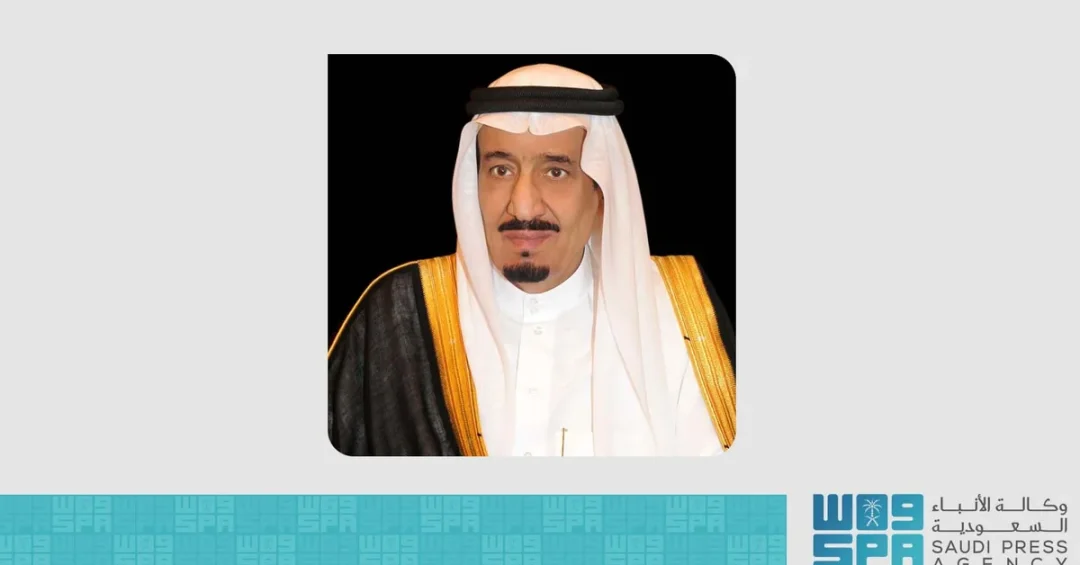
Custodian of the Two Holy Mosques King Salman bin Abdulaziz Al Saud issued a series of royal orders today, August 29, 2024, encompassing key leadership changes within the Saudi Ministry of Defense and other government positions. The orders, reported by the Saudi Press Agency (SPA), include personnel movements, promotions, and retirements designed to enhance the effectiveness of the Kingdom’s military and governmental institutions.
Context and Background
The issuance of these royal orders reflects the Kingdom’s ongoing commitment to maintaining a highly capable and modern defense apparatus, aligned with the strategic objectives of Vision 2030. These routine yet significant personnel adjustments ensure that leadership positions are filled by experienced officers who can execute the Ministry of Defense’s modernization plans and contribute to regional stability.
Key Details
Among the most notable changes, the orders terminate the service of General Mutlaq bin Salem bin Mutlaq Al-Azima, Commander of the Joint Forces, who has been referred to retirement. In a series of promotions and appointments, Major General Fahd bin Hamad bin Abdulaziz Al-Salman has been promoted to the rank of lieutenant general and appointed as the new Commander of the Joint Forces. Lieutenant General Fahd bin Abdullah bin Saleh Al-Ghufaili has been relieved as Chief of Staff of the Naval Forces and appointed as Deputy Chief of the General Staff. Similarly, Lieutenant General Fahd bin Abdullah bin Mohammed Al-Mutair has been relieved as Chief of Staff of the Land Forces and appointed as an Advisor at the Minister of Defense’s Office. Major General Fahd bin Saud bin Dhuwaihir Al-Juhani has been promoted to lieutenant general and appointed Chief of Staff of the Land Forces, while Naval Major General Mohammed bin Abdulrahman bin Hamed Al-Gharibi has been promoted to lieutenant general and appointed Chief of Staff of the Naval Forces. Additionally, Dr. Samir bin Abdulaziz bin Mohammed Al-Tabib has been relieved from his advisory role at the General Secretariat of the Cabinet and appointed as an Advisor at the Ministry of Defense at the excellent rank.
Implications and Impact
These leadership transitions are expected to bring renewed expertise and strategic direction to the Saudi armed forces. The promotions of seasoned officers like Lieutenant Generals Al-Salman, Al-Juhani, and Al-Gharibi underscore the Kingdom’s investment in developing a highly skilled military leadership cadre. The appointments ensure continuity while injecting fresh perspectives into critical command positions, enhancing the operational readiness of the Joint Forces, Land Forces, and Naval Forces.
Vision 2030 Alignment
These royal orders are a clear demonstration of Saudi Arabia’s commitment to strengthening its national defense capabilities as a foundational pillar of Vision 2030. By placing experienced leaders in key military and advisory roles, the Kingdom continues to build a resilient and professional defense sector that can protect the nation’s interests, support economic diversification, and contribute to a secure and prosperous future as envisioned by the leadership of King Salman and Crown Prince Mohammed bin Salman.
20 Questions
Q1. What royal orders were issued on August 29, 2024?
A1. Custodian of the Two Holy Mosques King Salman bin Abdulaziz Al Saud issued orders covering personnel changes in the Ministry of Defense, including promotions, appointments, and retirements, as reported by the Saudi Press Agency.
Q2. Who issued these royal orders?
A2. The orders were issued by Custodian of the Two Holy Mosques, King Salman bin Abdulaziz Al Saud, the King of the Kingdom of Saudi Arabia and Supreme Commander of All Military Forces.
Q3. What was the first key change in the first royal order?
A3. The service of General Mutlaq bin Salem bin Mutlaq Al-Azima, Commander of the Joint Forces, was terminated, and he was referred to retirement as of the date of the order.
Q4. Who was appointed as the new Commander of the Joint Forces?
A4. Major General Fahd bin Hamad bin Abdulaziz Al-Salman was promoted to the rank of lieutenant general and appointed as the new Commander of the Joint Forces.
Q5. What happened to Lieutenant General Fahd bin Abdullah bin Saleh Al-Ghufaili?
A5. He was relieved as Chief of Staff of the Naval Forces and appointed as Deputy Chief of the General Staff at the rank of lieutenant general.
Q6. What new role did Lieutenant General Fahd bin Abdullah bin Mohammed Al-Mutair receive?
A6. He was relieved as Chief of Staff of the Land Forces and appointed as an Advisor at the Minister of Defense’s Office, retaining the rank of lieutenant general.
Q7. Who was promoted to lead the Land Forces?
A7. Major General Fahd bin Saud bin Dhuwaihir Al-Juhani was promoted to lieutenant general and appointed as Chief of Staff of the Land Forces.
Q8. Who became the new Chief of Staff of the Naval Forces?
A8. Naval Major General Mohammed bin Abdulrahman bin Hamed Al-Gharibi was promoted to lieutenant general and appointed as Chief of Staff of the Naval Forces.
Q9. What did the second royal order involve?
A9. The second royal order relieved Dr. Samir bin Abdulaziz bin Mohammed Al-Tabib from his post as an Advisor at the General Secretariat of the Cabinet.
Q10. What position did Dr. Samir bin Abdulaziz bin Mohammed Al-Tabib receive in the third order?
A10. He was appointed as an Advisor at the Ministry of Defense at the excellent rank.
Q11. Why are these military personnel changes significant?
A11. They ensure the Saudi armed forces are led by experienced officers, enhancing operational readiness and strategic direction, which is vital for national security and Vision 2030 goals.
Q12. How do these orders support the Ministry of Defense?
A12. By appointing promoted officers to key roles, the orders strengthen command structures and bring fresh expertise to the Ministry of Defense’s modernization efforts.
Q13. What is the role of the Saudi Press Agency in this announcement?
A13. The SPA serves as the official source, reporting the royal orders to the public and media, ensuring transparency and accuracy in governmental communications.
Q14. Do these changes affect the daily operations of the armed forces?
A14. Yes, they introduce new leadership that will oversee ongoing operations, training, and strategic planning, with a focus on continuity and improved performance.
Q15. What is the rank of the new Deputy Chief of the General Staff?
A15. Lieutenant General Fahd bin Abdullah bin Saleh Al-Ghufaili holds the rank of lieutenant general in his new role as Deputy Chief of the General Staff.
Q16. How does the promotion of Major Generals to Lieutenant General benefit the military?
A16. It recognizes their experience and capability, placing them in higher command positions to lead larger units and contribute to strategic decision-making.
Q17. Are these royal orders part of a regular personnel rotation?
A17. Yes, such orders are routine but essential for maintaining a dynamic and effective military leadership structure aligned with the Kingdom’s evolving defense needs.
Q18. What does the appointment of an Advisor at the Ministry of Defense entail?
A18. The advisor provides expert counsel on defense matters, contributing to policy development and strategic initiatives to support the Minister of Defense.
Q19. How does the Kingdom ensure that these appointments are merit-based?
A19. Appointments and promotions are based on performance, experience, and qualifications, as demonstrated by the long service records of the officers involved.
Q20. What message do these orders send about Saudi Arabia’s governance?
A20. They highlight the leadership’s commitment to efficient, professional governance and the continuous improvement of military capabilities to protect the nation and its Vision 2030 ambitions.
Reader Feedback
We value your thoughts. Please share your feedback on this article.
Your feedback helps us improve our coverage.