


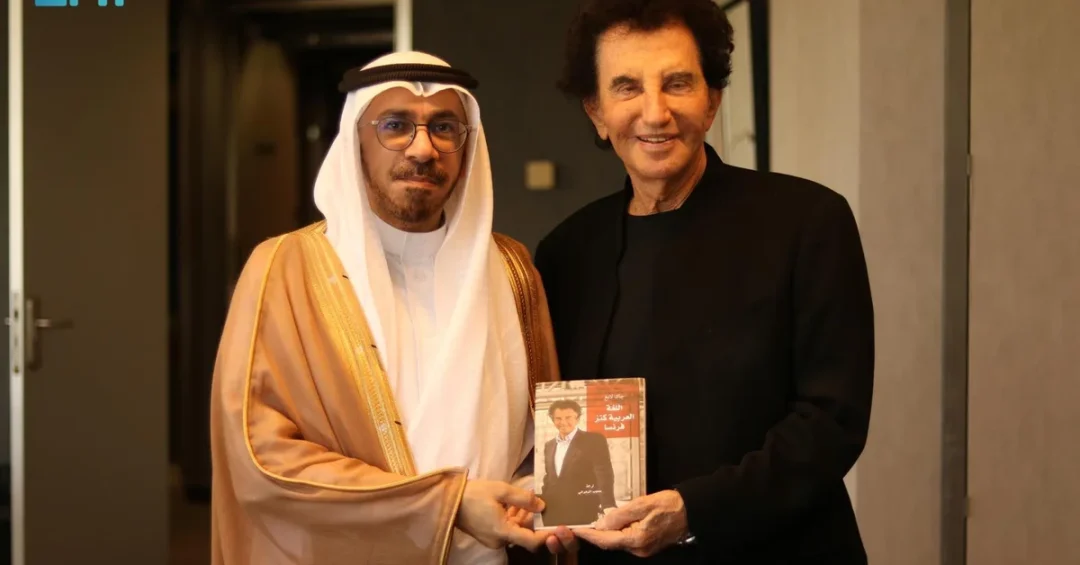
The King Salman Global Academy for Arabic Language (KSGAAL) has successfully concluded its Arabic Language Month program in France, following a series of educational initiatives held from October 7 to November 1, 2024, in Paris, Lyon, and Tourcoing. The program aimed to develop Arabic language curricula, enhance teacher performance, and strengthen the presence of Arabic in French educational institutions, reflecting Saudi Arabia’s commitment to promoting its linguistic heritage abroad.
Context and Background
The Arabic Language Month program is part of KSGAAL’s broader “Scientific Programs on Teaching Arabic” project, which has been implemented in several countries including Uzbekistan, Indonesia, China, India, and Brazil. The initiative aligns with Saudi Arabia’s Vision 2030, specifically the Human Capability Development Program, which seeks to foster cultural exchange and educational cooperation globally. By focusing on France—a country with a significant Arabic-speaking community and academic interest in the language—the program underscores the Kingdom’s strategic cultural diplomacy.
Key Details
The program featured visits to French educational institutions offering Arabic programs, as well as meetings with associations and centers dedicated to teaching the language. KSGAAL Secretary-General Dr. Abdullah bin Saleh Al-Washmi highlighted the academy’s appreciation for the support of Minister of Culture and KSGAAL Chairman of the Board of Trustees Prince Badr bin Abdullah bin Farhan, which facilitates these initiatives. Scientific activities were conducted in collaboration with the Arab World Institute, including a discussion session on evaluating Arabic teachers, integrating technology in teaching, and identifying effective tools. A symposium on Saudi Arabia’s efforts to teach Arabic to non-native speakers was held, along with discussions on bilingualism in France.
Implications and Impact
The program included the launch of two significant books: the French version of “100 Questions about the Arabic Language” and “The Reality of the Arabic Language in France: History, Education, and Orientalism.” These publications aim to deepen understanding of Arabic’s presence in France and its historical and academic context. Additionally, a scientific competition called “Recitation” was organized for non-native speakers in France, with participants from several French universities. Training courses were offered for teachers and learners, focusing on active learning strategies and listening skills, with support from King Abdulaziz University. These efforts build cooperative bridges with stakeholders and enhance Arabic’s global standing, raising awareness and facilitating teaching and learning worldwide.
Vision 2030 Alignment
The successful conclusion of the Arabic Language Month program in France reinforces Saudi Arabia’s strategic role in cultural and linguistic engagement internationally. By investing in educational programs that promote Arabic language learning, KSGAAL directly contributes to Vision 2030’s goals of strengthening human capital and fostering global cultural exchange. This initiative positions the Kingdom as a leader in linguistic preservation and education, supporting long-term objectives of enhancing Saudi Arabia’s soft power and international cooperation.
20 Questions
Q1. What is the King Salman Global Academy for Arabic Language (KSGAAL)?
A1. KSGAAL is a Saudi institution dedicated to promoting the Arabic language globally through educational programs, research, and cultural initiatives, supporting the Kingdom’s Vision 2030 goals.
Q2. Where did the Arabic Language Month program take place?
A2. The program was held in three French cities: Paris, Lyon, and Tourcoing, from October 7 to November 1, 2024.
Q3. What was the main goal of the program?
A3. The program aimed to develop Arabic language curricula, enhance teacher performance, and strengthen the presence of Arabic in French educational institutions.
Q4. Who leads KSGAAL?
A4. KSGAAL is led by Secretary-General Dr. Abdullah bin Saleh Al-Washmi, with oversight from Minister of Culture Prince Badr bin Abdullah bin Farhan as Chairman of the Board of Trustees.
Q5. How does this program align with Saudi Vision 2030?
A5. It supports the Human Capability Development Program, a Vision 2030 initiative that focuses on skill development and cultural exchange.
Q6. What activities were included in the program?
A6. Activities included visits to educational institutions, meetings with associations, scientific symposiums, training courses, and a competition called “Recitation.”
Q7. Which French institutions were involved?
A7. Collaborations included the Arab World Institute, the Saudi embassy, the Saudi cultural attaché in France, and King Abdulaziz University.
Q8. What was the “Recitation” competition?
A8. It was a scientific competition in Arabic for non-native speakers in France, with participants from several French universities, judged based on specific criteria.
Q9. What training courses were offered?
A9. Courses for teachers focused on active learning strategies, while courses for learners centered on developing listening skills for non-native speakers.
Q10. What books were launched during the program?
A10. The French version of “100 Questions about the Arabic Language” and “The Reality of the Arabic Language in France: History, Education, and Orientalism.”
Q11. What were the main topics of the books?
A11. The books explore Arabic’s presence in France, the incorporation of Arabic words into French, and early efforts to teach Arabic grammar in the French system.
Q12. How many countries have hosted similar KSGAAL programs?
A12. Similar programs were implemented in Uzbekistan, Indonesia, China, India, and Brazil, in addition to France.
Q13. What is the Hamza test?
A13. The Hamza test is a tool to measure Arabic language proficiency, discussed in a scientific paper during the program, detailing its criteria and development plans.
Q14. What digital platforms did KSGAAL present?
A14. KSGAAL presented platforms dedicated to supporting the Arabic language through digital tools, as discussed in a second scientific paper.
Q15. Who supported the training courses in Lyon?
A15. King Abdulaziz University sent two specialist professors in Arabic to present a training course in Lyon.
Q16. Why is this program important for France?
A16. It enhances Arabic language education in France, a country with a sizable Arabic-speaking community and academic interest, fostering bilingualism and cultural understanding.
Q17. How does KSGAAL promote Arabic globally?
A17. Through educational programs, scientific research, and partnerships with international institutions, KSGAAL advances Arabic language learning and cultural exchange.
Q18. What was the role of the Saudi cultural attaché?
A18. The Saudi cultural attaché collaborated on the symposium “Teaching Arabic to Non-Native Speakers,” contributing to the launch of the French-language books.
Q19. What are the long-term goals of the program?
A19. The program aims to build cooperative bridges, raise global awareness of Arabic, and facilitate its teaching and learning inside and outside the Kingdom.
Q20. How does KSGAAL’s work support Saudi Arabia’s soft power?
A20. By promoting Arabic language and culture globally, KSGAAL enhances Saudi Arabia’s cultural influence and strengthens international partnerships.
Reader Feedback
We value your thoughts. Please share your feedback on this article.
Your feedback helps us improve our coverage.