


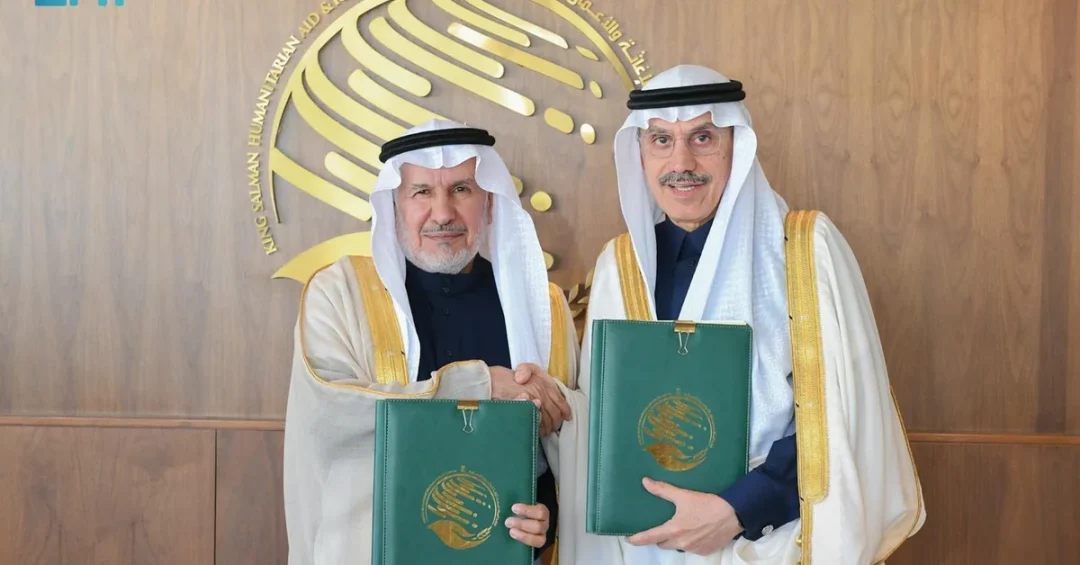
The King Salman Humanitarian Aid and Relief Center (KSrelief) signed a joint program with the Islamic Development Bank (IsDB) on December 1, 2024, to eradicate polio in Afghanistan. The agreement was signed by Adviser to the Royal Court and Supervisor General of KSrelief Dr. Abdullah bin Abdulaziz Al Rabeeah and President of the Islamic Development Bank Dr. Muhammad Al Jasser at KSrelief’s headquarters in Riyadh. This initiative underscores Saudi Arabia’s commitment to global health and humanitarian efforts.
Context and Background
Polio remains a significant public health challenge in Afghanistan, where conflict and limited access to healthcare have hindered eradication efforts. The disease primarily affects children under five, causing irreversible paralysis. The World Health Organization has identified Afghanistan as one of the last two countries where polio is endemic, making international cooperation critical. This program is part of broader global initiatives coordinated by the Global Polio Eradication Initiative to eliminate the disease completely.
Key Details
Under the agreement, the IsDB will finance the Afghan government to carry out polio eradication activities, with KSrelief contributing US$1 million annually over three years to achieve this goal. This Saudi contribution complements an additional US$15 million from the Bill & Melinda Gates Foundation, reflecting a multi-stakeholder approach. The program aims to vaccinate millions of children, strengthen surveillance systems, and raise awareness about polio’s severe health consequences for children and communities.
Implications and Impact
This partnership highlights Saudi Arabia’s leadership in global health diplomacy and its collaboration with international organizations to address pressing humanitarian issues. The initiative aligns with ongoing efforts by the Saudi government, through KSrelief, to provide sustainable health interventions in crisis-affected regions. Dr. Al Rabeeah emphasized that the program builds on previous successful partnerships and demonstrates the Kingdom’s dedication to protecting vulnerable populations. The involvement of the IsDB ensures that financing is channeled effectively to the Afghan government’s health infrastructure.
Vision 2030 Alignment
This agreement supports Saudi Arabia’s Vision 2030 goals of enhancing the Kingdom’s global humanitarian role and fostering international partnerships for sustainable development. By contributing to polio eradication, Saudi Arabia is investing in the health of future generations, which aligns with the vision’s emphasis on social responsibility and global citizenship. The program also strengthens ties with multilateral institutions, reinforcing the Kingdom’s position as a key player in global health security and humanitarian action.
20 Questions
Q1. What is the main purpose of the agreement signed by KSrelief and IsDB?
A1. The agreement aims to eradicate polio in Afghanistan through joint financial support and vaccination programs. It targets eliminating the disease among children and communities.
Q2. When was the agreement signed?
A2. The agreement was signed on December 1, 2024, at the King Salman Humanitarian Aid and Relief Center’s headquarters in Riyadh.
Q3. Who signed the agreement on behalf of KSrelief?
A3. The agreement was signed by Dr. Abdullah bin Abdulaziz Al Rabeeah, Adviser to the Royal Court and Supervisor General of KSrelief.
Q4. Who signed the agreement on behalf of the Islamic Development Bank?
A4. The agreement was signed by Dr. Muhammad Al Jasser, President of the Islamic Development Bank.
Q5. How much will KSrelief contribute annually to the program?
A5. KSrelief will contribute US$1 million annually over three years to support polio eradication in Afghanistan.
Q6. What is the total contribution from the Bill & Melinda Gates Foundation?
A6. The Bill & Melinda Gates Foundation is contributing US$15 million to the program.
Q7. Which organization will the IsDB finance under the agreement?
A7. The IsDB will finance the Afghan government to carry out polio eradication activities.
Q8. Why is polio eradication important for Afghanistan?
A8. Polio remains a major health risk for children in Afghanistan, causing paralysis. Eradication efforts are critical to protect future generations and improve public health.
Q9. How does this program benefit children specifically?
A9. The program provides vaccinations and raises awareness about polio’s severe health consequences, preventing paralysis and saving lives among children under five.
Q10. What is the role of the Islamic Development Bank in this initiative?
A10. The IsDB finances the Afghan government and facilitates funding from partners like KSrelief and the Gates Foundation to implement polio eradication programs.
Q11. How does this agreement support KSrelief’s broader mission?
A11. KSrelief aims to provide humanitarian aid globally, and this initiative expands its health programs to combat infectious diseases in vulnerable regions.
Q12. What is the significance of the partnership with the Bill & Melinda Gates Foundation?
A12. The partnership leverages global expertise and resources, combining Saudi funding with the foundation’s substantial contribution to maximize impact.
Q13. How does this program align with Vision 2030?
A13. It supports Vision 2030 by enhancing Saudi Arabia’s global humanitarian role and fostering international partnerships for sustainable development and health security.
Q14. What are the expected health outcomes of the program?
A14. Expected outcomes include near-zero polio cases, improved vaccination coverage, strengthened health surveillance, and increased awareness of disease prevention.
Q15. How will the program be monitored for effectiveness?
A15. The program will use health surveillance systems and vaccination data to track progress, with KSrelief and IsDB coordinating with the Afghan government.
Q16. Is this program part of a larger global initiative?
A16. Yes, it contributes to the Global Polio Eradication Initiative, which aims to eliminate polio worldwide, with Afghanistan being one of the last endemic countries.
Q17. What challenges does polio eradication face in Afghanistan?
A17. Challenges include conflict, limited healthcare access, and vaccine misinformation. The program addresses these through community engagement and logistical support.
Q18. How does this program reflect Saudi Arabia’s foreign policy?
A18. It reflects Saudi Arabia’s commitment to humanitarian diplomacy, global health, and stability through partnerships with international organizations and governments.
Q19. What other countries has KSrelief supported in health initiatives?
A19. KSrelief has supported health projects in Yemen, Syria, Palestine, and several African nations, focusing on primary care, disease prevention, and emergency response.
Q20. When will the program begin implementation?
A20. The program is expected to begin shortly after the signing, with funds allocated for vaccination campaigns and health system strengthening in Afghanistan.
Reader Feedback
We value your thoughts. Please share your feedback on this article.
Your feedback helps us improve our coverage.