


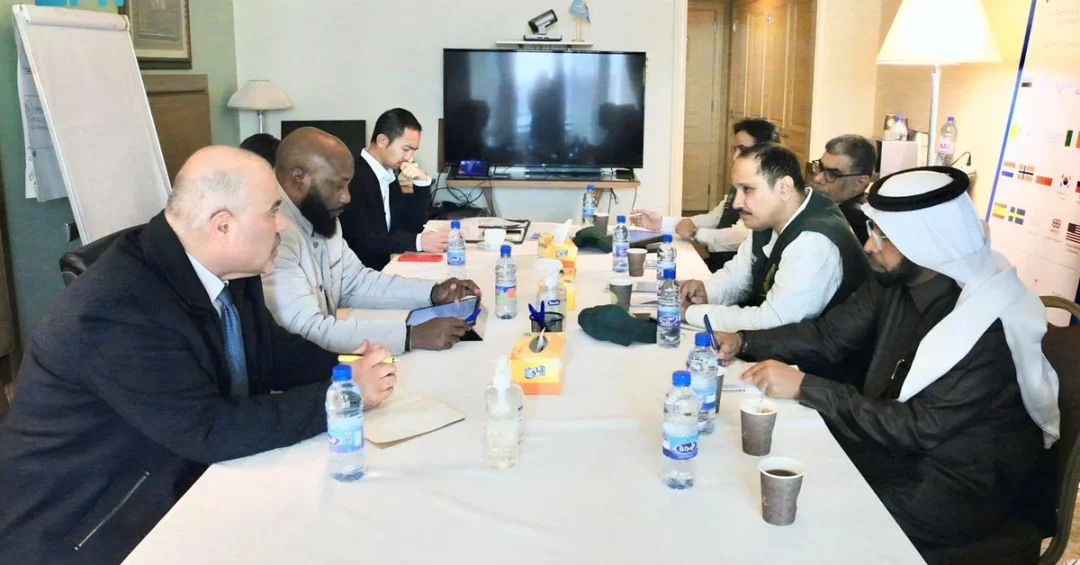
A delegation from the King Salman Humanitarian Aid and Relief Center (KSrelief) met with officials from the United Nations High Commissioner for Refugees (UNHCR) in Damascus, Syria, on January 5, 2024, to discuss strengthening humanitarian support for the Syrian people. The meeting, also attended by Chargé d’Affaires of the Kingdom’s Embassy in Syria Abdullah bin Saleh Al-Harees, focused on enhancing collaborative relief strategies amid ongoing regional challenges.
Context and Background
This high-level meeting is part of KSrelief’s longstanding commitment to delivering humanitarian aid across conflict-affected regions. Since its establishment in 2015, KSrelief has become a global leader in humanitarian assistance, operating programs in over 80 countries. The discussions in Damascus highlight Saudi Arabia’s proactive role in alleviating suffering in Syria, a country deeply impacted by years of crisis. The presence of the Kingdom’s embassy representative underscores the integration of diplomatic and humanitarian efforts.
Key Details
During the meeting, KSrelief and UNHCR officials reviewed ongoing projects and explored new avenues to support refugees and internally displaced persons. UNHCR representatives praised the strategic partnership between the two organizations, noting their joint efforts to ensure access to a dignified life for vulnerable populations worldwide. The talks also addressed logistical coordination and resource allocation, with both sides expressing a shared commitment to transparency and effectiveness in aid delivery.
Implications and Impact
The collaboration between KSrelief and UNHCR sets a benchmark for international humanitarian coordination. This meeting reaffirms Saudi Arabia’s dedication to global stability and humanitarian principles, positioning the Kingdom as a key contributor to UN-led initiatives. The outcomes are expected to streamline aid flows to Syrian refugees and displaced individuals, potentially influencing broader regional relief operations and fostering trust among international stakeholders.
Vision 2030 Alignment
This engagement aligns with Saudi Arabia’s Vision 2030, which emphasizes the Kingdom’s role as a global humanitarian hub. By strengthening partnerships with UN agencies, the Kingdom continues to demonstrate its commitment to sustainable development and human dignity. Future initiatives under this collaboration will likely expand support for education, healthcare, and livelihood programs, reinforcing Saudi Arabia’s long-term vision of a prosperous and stable region.
20 Questions
Q1. What was the purpose of the KSrelief meeting with UNHCR in Damascus?
A1. The meeting aimed to discuss shared priorities in relief and humanitarian efforts, focusing on strategies to enhance support and assistance for the Syrian people.
Q2. Who attended the meeting on behalf of Saudi Arabia?
A2. The KSrelief delegation met with UNHCR officials, and the meeting was attended by Chargé d’Affaires of the Kingdom’s Embassy in Syria Abdullah bin Saleh Al-Harees.
Q3. When did this meeting take place?
A3. The meeting occurred on January 5, 2024, as reported by the Saudi Press Agency.
Q4. What is KSrelief?
A4. The King Salman Humanitarian Aid and Relief Center is a Saudi humanitarian organization established in 2015 to provide aid and relief worldwide.
Q5. Why is this meeting significant for Syria?
A5. The meeting helps ensure continued international humanitarian support for Syria, addressing the needs of refugees and displaced individuals in the country.
Q6. How does KSrelief collaborate with UNHCR?
A6. KSrelief and UNHCR work together on relief projects, sharing resources and expertise to support refugees and displaced persons globally.
Q7. What did UNHCR officials say about their partnership with KSrelief?
A7. UNHCR officials praised the strategic partnership, emphasizing their collaborative efforts to ensure refugees have access to a dignified life.
Q8. What is the role of the Saudi Embassy in Syria in this context?
A8. The Saudi Embassy facilitates diplomatic coordination, ensuring that humanitarian efforts align with official channels and policies.
Q9. How many countries does KSrelief operate in?
A9. KSrelief operates humanitarian programs in over 80 countries, making it a global leader in aid delivery.
Q10. Does this meeting support Vision 2030?
A10. Yes, it aligns with Vision 2030 by promoting Saudi Arabia’s role as a global humanitarian hub and fostering international partnerships.
Q11. What is the focus of the discussions between KSrelief and UNHCR?
A11. The discussions centered on strategies to enhance support and assistance for the Syrian people, including relief and humanitarian priorities.
Q12. Is this meeting part of a larger humanitarian effort?
A12. Yes, it is part of ongoing KSrelief initiatives to coordinate with international organizations like UNHCR for effective aid delivery.
Q13. How does KSrelief ensure transparency in its work?
A13. KSrelief follows strict guidelines and reports to Saudi authorities, ensuring accountability in all humanitarian operations.
A14. This meeting may improve logistics and resource allocation, leading to more efficient aid for refugees in Syria.
Q15. What type of aid does KSrelief provide in Syria?
A15. KSrelief provides food, medical supplies, shelter, and educational support to those affected by the crisis in Syria.
Q16. How does this meeting impact the international community?
A16. It reinforces Saudi Arabia’s commitment to global humanitarian principles, encouraging other nations to support UN-led relief efforts.
Q17. What is UNHCR’s role in Syria?
A17. UNHCR coordinates refugee protection and assistance, working with partners like KSrelief to provide basic needs and legal support.
Q18. Why is diplomatic attendance important at this meeting?
A18. Diplomatic presence ensures that humanitarian efforts are aligned with national policies, fostering trust and cooperation.
Q19. Will this meeting lead to new projects?
A19. The discussions explored new avenues for collaboration, potentially leading to expanded projects for refugees and displaced individuals.
Q20. What long-term benefits does this partnership offer?
A20. The partnership promotes sustainable development, access to education, and healthcare, contributing to stability and dignity for affected populations.
Reader Feedback
We value your thoughts. Please share your feedback on this article.
Your feedback helps us improve our coverage.