


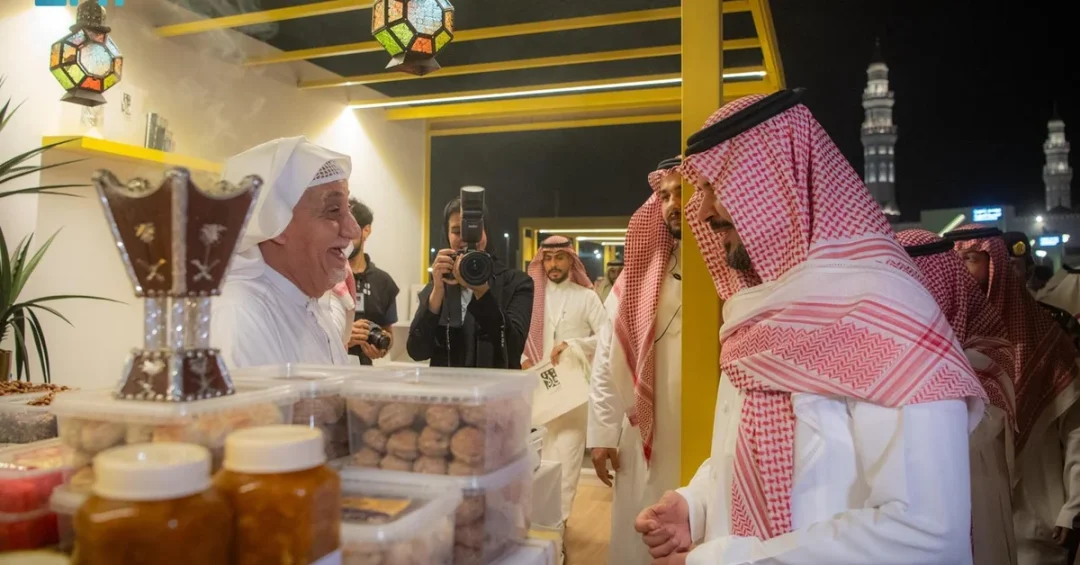
Governor of Madinah Region Prince Salman bin Sultan bin Abdulaziz has visited the Madinah Dates Season exhibition, held near the Quba Mosque. The event, organized by the Ministry of Environment, Water, and Agriculture in collaboration with the National Centre for Palms and Dates and the Madinah Chamber of Commerce, showcases the region’s agricultural prowess and commitment to food security.
Context and Background
Madinah is home to an estimated 5.6 million date palms, making it a vital center for date production in the Kingdom of Saudi Arabia. The annual Madinah Dates Season exhibition serves as a platform to highlight the sector’s contributions to the national economy and food security strategies. Prince Salman’s visit underscores the leadership’s ongoing support for agricultural development and sustainable initiatives aligned with the Kingdom’s strategic priorities.
Key Details
During the tour, Prince Salman explored various sections featuring local agricultural produce and value-added industries linked to the date palm sector. The exhibition includes over 50 sales outlets, tasting and cooking areas, handicrafts from local producers, and interactive visitor experiences. Public and private entities have collaborated to present financing and logistics services to investors, promoting growth in the agricultural sector. The event brings together stakeholders to strengthen the sector, increase production, and encourage investment.
Implications and Impact
The Madinah Dates Season exhibition highlights Saudi Arabia’s commitment to enhancing domestic food production and reducing reliance on imports. By fostering partnerships between government agencies and private investors, the initiative supports local farmers and entrepreneurs, driving economic diversification in the region. The focus on value-added products and interactive experiences also promotes cultural heritage and agritourism, strengthening the Kingdom’s global standing as a hub for quality agricultural products.
Vision 2030 Alignment
This initiative directly aligns with Saudi Arabia’s Vision 2030, which emphasizes economic diversification, food security, and sustainable development. By supporting the date palm sector, the Kingdom is not only preserving a cherished cultural tradition but also creating new opportunities for investment and employment. The Madinah Dates Season exhibition exemplifies how local agricultural projects contribute to the national goals of enhancing quality of life and building a prosperous, resilient economy for the future.
20 Questions
Q1. Who visited the Madinah Dates Season exhibition?
A1. Governor of Madinah Region Prince Salman bin Sultan bin Abdulaziz visited the exhibition, highlighting the leadership’s support for the agricultural sector and local economic development in Madinah.
Q2. Where is the Madinah Dates Season exhibition held?
A2. The exhibition is held near the Quba Mosque in Madinah, a location of historical and cultural significance, attracting both local visitors and international tourists interested in date production.
Q3. Which organizations organized the exhibition?
A3. The Ministry of Environment, Water, and Agriculture organized the exhibition in collaboration with the National Centre for Palms and Dates and the Madinah Chamber of Commerce, reflecting public-private partnership.
Q4. What is the purpose of the exhibition?
A4. The exhibition aims to strengthen the date palm sector, increase production, encourage investment, and contribute to the local economy in line with Saudi Arabia’s Vision 2030 goals for sustainable development.
Q5. How many date palms are there in the Madinah region?
A5. The Madinah region is home to an estimated 5.6 million date palms, playing a significant role in the Kingdom’s food security strategies and date production industry.
Q6. What features were available at the exhibition?
A6. The exhibition included over 50 sales outlets, tasting and cooking areas, handicrafts from local producers, and interactive visitor experiences showcasing agricultural innovation and cultural heritage.
Q7. What sectors are involved in the exhibition?
A7. Public and private entities, including agricultural agencies, financial institutions, and logistics providers, participated to promote sector initiatives and offer services to investors and farmers.
Q8. How does the exhibition support the local economy?
A8. By providing a platform for producers to showcase value-added products and attracting investment, the exhibition stimulates economic activity, creates jobs, and supports small and medium enterprises in Madinah.
Q9. What is the National Centre for Palms and Dates?
A9. The National Centre for Palms and Dates is a Saudi government entity focused on developing the date palm industry through research, innovation, and support for farmers, enhancing quality and productivity.
Q10. How does the exhibition align with Vision 2030?
A10. The exhibition supports Vision 2030 by promoting economic diversification, enhancing food security, and encouraging sustainable agricultural practices, which are key pillars of the Kingdom’s long-term development strategy.
Q11. What role does the Madinah Chamber of Commerce play?
A11. The Madinah Chamber of Commerce facilitates collaboration between businesses and government bodies at the exhibition, helping to connect investors with local agricultural opportunities and market products.
Q12. What types of products were displayed at the exhibition?
A12. Products included local dates, date-based foods, handicrafts, and value-added items such as date syrup and sweets, demonstrating the versatility of the date palm and local craftsmanship.
Q13. Are there interactive experiences for visitors at the exhibition?
A13. Yes, the exhibition features interactive experiences, including tasting sessions and cooking demonstrations, allowing visitors to engage directly with date products and learn about their cultural and nutritional importance.
Q14. How does the exhibition contribute to food security?
A14. By showcasing increased date production and supporting farmers, the exhibition reinforces Saudi Arabia’s efforts to achieve self-sufficiency in staple crops, reducing reliance on imports and strengthening food security.
Q15. What is the significance of the Quba Mosque location?
A15. The Quba Mosque is one of Islam’s most significant sites, and the exhibition’s location attracts a diverse audience of pilgrims and tourists, highlighting Madinah’s blend of spirituality and economic vitality.
Q16. How does the exhibition support small-scale farmers?
A16. The exhibition provides small-scale farmers with access to markets, financing opportunities, and logistical support, helping them improve productivity and connect with buyers locally and internationally.
Q17. What were some handicrafts featured at the exhibition?
A17. Handicrafts included traditional palm leaf weaving and date-themed art, reflecting Madinah’s cultural heritage and offering local artisans a platform to market their work alongside agricultural products.
Q18. How does the exhibition promote investment in agriculture?
A18. The exhibition showcases financing and logistics services from public and private entities, attracting investors to the date palm sector and encouraging development of new technologies and processing facilities.
Q19. What is the timeline for the dates season activities?
A19. The Madinah Dates Season exhibition is part of annual dates season activities, typically held during the harvest period to maximize the visibility and economic impact of fresh and processed date products.
Q20. How can visitors learn more about date production?
A20. Visitors can engage with interactive displays, attend cooking workshops, and speak with producers at the exhibition, gaining insights into sustainable farming practices and the economic value of dates.
Reader Feedback
We value your thoughts. Please share your feedback on this article.
Your feedback helps us improve our coverage.