


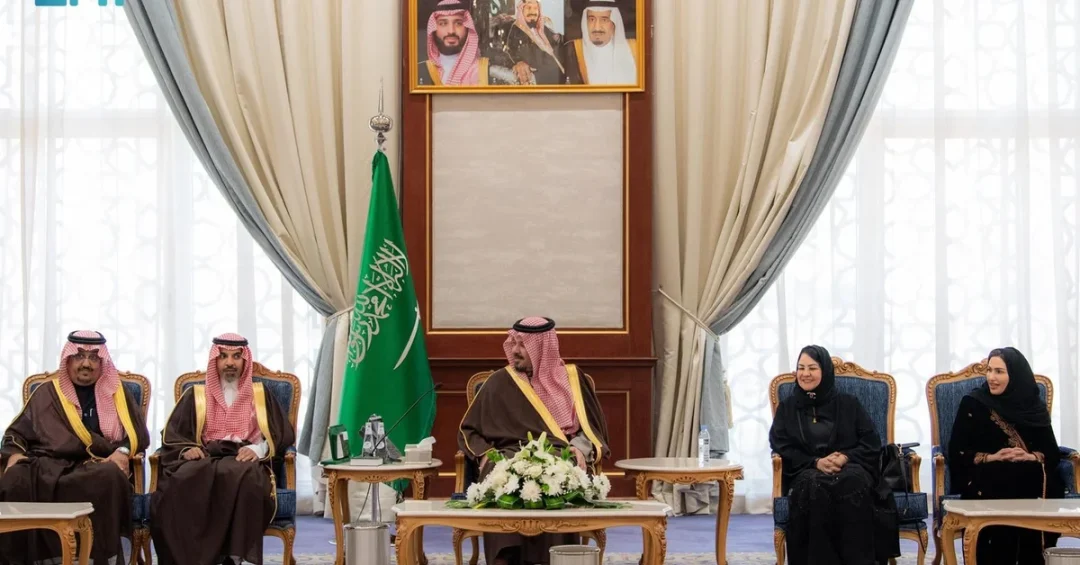
Governor of Madinah Region Prince Salman bin Sultan bin Abdulaziz met with Dr. Nawal Alrasheed, President of Taibah University and Chairperson of the Supreme Supervisory Committee of the Healthy Cities Program in Madinah, along with a delegation from the World Health Organization (WHO) and a specialized health accreditation team, on January 27, 2025. The meeting, reported by the Saudi Press Agency (SPA), focused on advancing Madinah’s status as a global model for healthy cities, underscoring the Kingdom’s dedication to public health and sustainability.
Context and Background
The Healthy Cities Program is a key initiative under Saudi Arabia’s Vision 2030, aiming to improve urban living conditions and promote well-being. Madinah, one of the Kingdom’s most historically and religiously significant cities, has been selected as a pilot for this program, reflecting its strategic importance. The involvement of the WHO provides international expertise and validation, ensuring that local efforts align with global health standards.
Key Details
During the meeting, Dr. Nawal Alrasheed expressed gratitude for Prince Salman bin Sultan bin Abdulaziz’s ongoing support, emphasizing that the collaboration between Taibah University, local authorities, and the WHO delegation is crucial for implementing effective health initiatives. The specialized team is working on health accreditation for Madinah, which will certify the city’s adherence to rigorous health and environmental criteria. This process involves evaluating urban planning, air quality, green spaces, and access to healthcare services.
Implications and Impact
The successful accreditation of Madinah as a healthy city would not only enhance the quality of life for its residents and visitors but also serve as a benchmark for other cities in the region. This initiative reinforces the Kingdom’s leadership in public health and its commitment to international cooperation. By partnering with the WHO, Saudi Arabia demonstrates its willingness to adopt best practices and foster global partnerships, strengthening its position as a hub for health and wellness tourism.
Vision 2030 Alignment
This meeting directly supports Vision 2030’s goal of improving the quality of life for all citizens and residents. By focusing on health accreditation and sustainable urban development, the initiative contributes to creating a vibrant and healthy society. As Saudi Arabia continues to modernize, projects like the Healthy Cities Program in Madinah highlight the Kingdom’s long-term vision of building resilient, people-centered communities that can serve as models for the world.
20 Questions
Q1. Who led the meeting in Madinah?
A1. The meeting was led by Governor of Madinah Region Prince Salman bin Sultan bin Abdulaziz, who welcomed officials including Dr. Nawal Alrasheed and a WHO delegation.
Q2. What is the purpose of the Healthy Cities Program?
A2. The program aims to establish Madinah as a global model for healthy cities by improving public health, environmental sustainability, and quality of life for residents and visitors.
Q3. Who is Dr. Nawal Alrasheed?
A3. Dr. Nawal Alrasheed is the President of Taibah University and Chairperson of the Supreme Supervisory Committee of the Healthy Cities Program in Madinah.
Q4. What international organization was involved?
A4. The World Health Organization (WHO) sent a delegation to participate in the meeting and support health accreditation efforts for Madinah.
Q5. Why is WHO involvement important?
A5. WHO involvement brings international expertise and validation, ensuring that Madinah’s health initiatives align with global standards and best practices.
Q6. What is health accreditation for a city?
A6. Health accreditation involves evaluating a city’s adherence to rigorous health and environmental criteria, including urban planning, air quality, green spaces, and healthcare access.
Q7. How does this initiative support Vision 2030?
A7. It supports Vision 2030 by improving quality of life, promoting sustainable urban development, and building a vibrant society, which are key objectives of the Saudi national transformation plan.
Q8. What role does Taibah University play?
A8. Taibah University, through its president Dr. Nawal Alrasheed, chairs the program’s supervisory committee, coordinating with local authorities and international partners.
Q9. When did the meeting take place?
A9. The meeting took place on January 27, 2025, as reported by the Saudi Press Agency (SPA).
Q10. What did Dr. Alrasheed express during the meeting?
A10. She expressed gratitude to the governor for his ongoing support of initiatives aimed at making Madinah a global model for healthy cities.
Q11. How does this initiative benefit residents?
A11. It enhances the quality of life for residents by improving public health outcomes, environmental conditions, and access to healthcare services.
Q12. How does it benefit visitors?
A12. Visitors to Madinah will experience a healthier urban environment with better air quality, green spaces, and sanitation, supporting the city’s role as a religious and tourism destination.
Q13. What other cities might be affected?
A13. The success of Madinah could serve as a benchmark for other Saudi cities and the region, encouraging adoption of similar healthy city programs.
Q14. Is this part of a larger Saudi health strategy?
A14. Yes, it is part of the Kingdom’s broader commitment to public health and sustainability under Vision 2030, which includes multiple health and environmental initiatives.
Q15. What is the significance of Madinah for this program?
A15. Madinah is historically and religiously significant, and its selection as a pilot underscores the Kingdom’s focus on preserving heritage while promoting modern health standards.
Q16. How does the program relate to environmental sustainability?
A16. The program evaluates factors like air quality and green spaces, directly contributing to environmental sustainability and aligning with global climate goals.
Q17. Who reported on this meeting?
A17. The meeting was reported by the official Saudi Press Agency (SPA), which is a primary source for news about Saudi government activities.
Q18. What is the role of the specialized team?
A18. The specialized team works on health accreditation, assessing Madinah against specific health and environmental standards set by the WHO and local bodies.
Q19. How does this strengthen Saudi Arabia’s global role?
A19. By collaborating with the WHO, Saudi Arabia demonstrates leadership in public health and international cooperation, enhancing its reputation as a forward-looking nation.
Q20. What is the expected outcome of this initiative?
A20. The expected outcome is the successful accreditation of Madinah as a healthy city, serving as a model for sustainable urban living and boosting the Kingdom’s health and tourism sectors.
Reader Feedback
We value your thoughts. Please share your feedback on this article.
Your feedback helps us improve our coverage.