


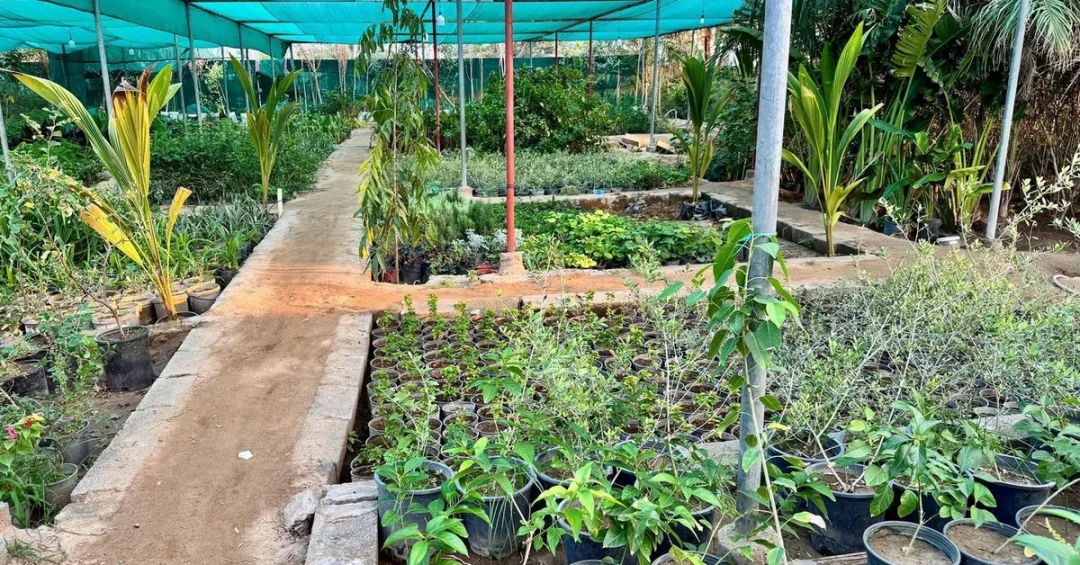
Plant nurseries in Makkah play an essential role in expanding green spaces and improving the quality of life across the Holy Capital, according to official information released by the Saudi Press Agency (SPA). These nurseries supply public facilities, main streets, and farms with a wide variety of trees and seedlings, including fruit trees such as buckthorn and almond, ornamental trees, and seasonal roses, supporting both environmental sustainability and local agriculture.
Context and Background
As part of the Kingdom of Saudi Arabia’s broader environmental and urban development goals under Vision 2030, the expansion of green spaces in Makkah is a key priority. Nurseries across the region provide essential seedlings to farms and public spaces, helping to combat desertification, reduce heat island effects, and enhance the aesthetic and livability of urban areas. The initiative aligns with the Saudi Green Initiative, which aims to plant billions of trees across the Kingdom over the coming decades.
Key Details
Nursery owners report that demand for agricultural seedlings fluctuates with the seasons: summer sees reduced demand due to high temperatures and water scarcity, while winter brings increased interest in basil and jasmine seedlings. Mint, mallow, and vegetable seedlings are in demand year-round. Nurseries employ specialized greenhouse techniques to create suitable environments for plants, using natural and industrial fertilizers, quality soil, and pesticides. Success depends on feasibility studies that incorporate updated local market data, enabling profitability while supporting agricultural production plans and the expansion of greenhouses.
Implications and Impact
The work of Makkah’s nurseries has significant implications for the region’s environmental health and food security. By supplying a steady stream of trees and plants, these nurseries contribute to the creation of green corridors, improved air quality, and enhanced public spaces for residents and pilgrims alike. The seasonal patterns of plant demand also point to opportunities for education on efficient water use and climate-appropriate landscaping, reinforcing the Kingdom’s commitment to sustainable resource management.
Vision 2030 Alignment
The nursery sector in Makkah directly supports several pillars of Vision 2030, including environmental sustainability, quality of life improvement, and agricultural diversification. By strengthening local food production, beautifying urban areas, and promoting green jobs, these nurseries help realize the Kingdom’s ambition of a vibrant society and a thriving economy. Continued investment in this sector will accelerate progress toward a greener, more sustainable future for the Holy Capital and the nation.
20 Questions
Q1. What is the primary role of plant nurseries in Makkah?
A1. Plant nurseries in Makkah are essential for expanding green spaces, supplying trees and seedlings to public facilities, streets, and farms to improve environmental quality and livability.
Q2. What types of trees do Makkah nurseries provide?
A2. Nurseries provide fruit trees like buckthorn and almond, along with ornamental trees and seasonal roses, supporting both agriculture and beautification.
Q3. How do nurseries support local farms?
A3. Nurseries supply various seedlings to farms around Makkah and its governorates, enabling the cultivation of vegetables and fruits for local markets.
Q4. What techniques do nurseries use in greenhouses?
A4. Nurseries employ specialized greenhouse techniques to maintain suitable environments for plants, using natural and industrial fertilizers to ensure healthy growth.
Q5. When is demand for agricultural seedlings highest?
A5. Demand peaks in winter for basil and jasmine seedlings, while mint, mallow, and vegetable seedlings are sought year-round; summer demand decreases due to heat and water scarcity.
Q6. How do nurseries ensure the health of plants?
A6. Nurseries rely on quality seeds, fertilizers, soil, chemicals, and pesticides, following careful management practices to maintain plant health.
Q7. What guides the success of a nursery project?
A7. Success comes from feasibility studies that use updated local market data, helping projects achieve profit and support agricultural production plans.
Q8. Why are green spaces important in Makkah?
A8. Green spaces improve air quality, reduce temperatures, and provide aesthetic and recreational benefits, enhancing the quality of life for residents and pilgrims.
Q9. How do nurseries contribute to Vision 2030?
A9. Nurseries support environmental sustainability, food security, and urban beautification, aligning directly with Vision 2030’s goals for a vibrant society and thriving economy.
Q10. Are nurseries part of the Saudi Green Initiative?
A10. Yes, the work of nurseries complements the Saudi Green Initiative, which aims to plant billions of trees across the Kingdom to combat desertification and climate change.
Q11. What challenges do nurseries face in summer?
A11. High temperatures and limited water availability reduce plant demand and increase operational difficulty, requiring efficient water use and climate adaptations.
Q12. How do nurseries benefit the local economy?
A12. Nurseries create jobs, supply agricultural inputs, and stimulate local markets for seedlings, fertilizers, and related services, supporting economic diversification.
Q13. What is a feasibility study for a nursery?
A13. A feasibility study analyzes market demand, costs, and resources to determine the viability and profitability of a nursery project, ensuring informed decision-making.
Q14. Why are ornamental trees important in cities?
A14. Ornamental trees beautify streets and public spaces, provide shade, reduce heat, and improve mental well-being, contributing to a higher quality of urban life.
Q15. How do nurseries help pilgrims in Makkah?
A15. By greening public spaces and facilities, nurseries make the Holy Capital more comfortable and visually appealing for millions of pilgrims visiting each year.
Q16. What vegetables are commonly grown from nursery seedlings?
A16. Common vegetables include mint, mallow, and other leafy greens, which are in high demand throughout the year for local consumption.
Q17. How do nurseries manage water scarcity?
A17. Nurseries use efficient irrigation methods, drought-tolerant plants, and greenhouse controls to minimize water use and ensure sustainability in arid conditions.
Q18. What role do fertilizers play in nursery operations?
A18. Natural and industrial fertilizers provide essential nutrients to plants, promoting strong growth and higher yields in nursery seedlings and greenhouse crops.
Q19. How do nursery owners adapt to seasonality?
A19. Owners adjust plant selection and marketing strategies based on seasonal demand, focusing on high-demand crops in winter and low-water plants in summer.
Q20. What is the future outlook for nurseries in Makkah?
A20. With continued investment and alignment with Vision 2030, Makkah’s nurseries are poised to expand, supporting larger greening projects and food security initiatives across the region.
Reader Feedback
We value your thoughts. Please share your feedback on this article.
Your feedback helps us improve our coverage.