


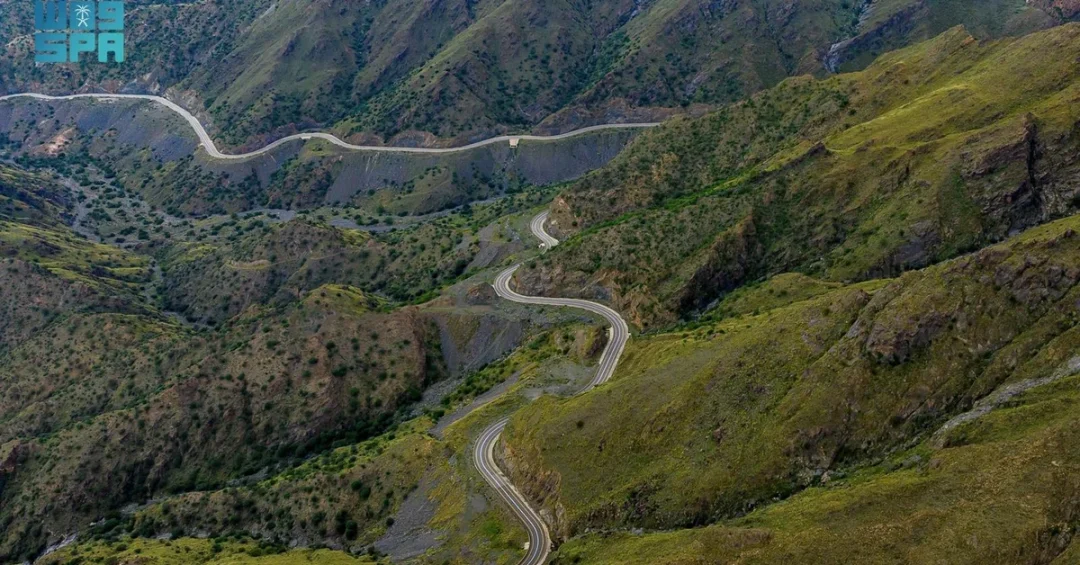
The Mohammediyah mountain pass, a natural corridor nestled in the Sarawat Mountains near Taif, offers visitors a unique combination of breathtaking landscapes, historical depth, and economic significance as a vital artery connecting the city to the Red Sea coast. Officially described by the Saudi Press Agency, this 20-kilometer stretch reaches altitudes exceeding 1,800 meters, with peaks climbing to 2,100 meters. Its strategic position provides panoramic views of the Red Sea and the Hijaz Mountains, while its mild climate and gentle breezes make it an inviting destination for year-round exploration. The pass serves as a popular tourist attraction, drawing visitors from across the Kingdom and internationally.
Context and Background
Situated on the outskirts of Taif, the Mohammediyah pass is more than a scenic route; it functions as a critical economic lifeline for the region. Its winding roads challenge adventurers and offer a gateway to the mountainous terrain and coastal areas. The area is surrounded by well-appointed hotels and inns, ensuring comfortable accommodations for travelers seeking to immerse themselves in the natural beauty. The pass is also a testament to the Kingdom’s commitment to developing tourism infrastructure while preserving the environment, in line with the goals of Vision 2030 to diversify the economy and promote domestic and international travel.
Key Details
The natural allure of the Mohammediyah pass is enhanced by its historical significance. Ancient castles, forts, and towers dot the landscape, providing glimpses into Taif’s rich history. Visitors can explore diverse flora and fauna, including numerous plant species and wildlife that thrive in this elevated ecosystem. The surrounding villages of Al-Shafa are renowned for their traditional customs, including daily gatherings and community cooperation. Local residents cultivate grapes, pomegranates, apricots, figs, peaches, and the famous Taif roses, using water from traditional irrigation channels and natural springs. These practices underscore the deep cultural heritage and sustainable agricultural traditions of the region.
Implications and Impact
The Mohammediyah mountain pass exemplifies Saudi Arabia’s ability to blend natural assets with modern tourism and economic development. As a vital route linking Taif to the coast, it supports local trade, agriculture, and tourism, enhancing the region’s connectivity. The preservation of historical sites and traditional farming methods attracts cultural tourists and researchers, contributing to a richer understanding of the Kingdom’s heritage. This integration of ecology, history, and economy positions Taif as a model for sustainable regional development, aligning with broader national initiatives to boost non-oil sectors.
Vision 2030 Alignment
The Mohammediyah pass directly supports Saudi Arabia’s Vision 2030 by promoting tourism, preserving cultural heritage, and fostering economic growth in the Taif region. By highlighting such natural gems, the Kingdom showcases its commitment to sustainable development and diversification away from oil dependency. The development of infrastructure, hospitality, and eco-tourism in areas like the pass creates jobs, supports local communities, and attracts international visitors. As Vision 2030 progresses, destinations like the Mohammediyah mountain pass will play a pivotal role in positioning Saudi Arabia as a leading global tourism hub, while respecting its rich history and environment.
20 Questions
Q1. Where is the Mohammediyah mountain pass located?
A1. The Mohammediyah mountain pass is located on the outskirts of Taif, a city in the Makkah Province of Saudi Arabia, nestled within the Sarawat Mountains.
Q2. How long is the Mohammediyah mountain pass?
A2. The pass stretches for approximately 20 kilometers, offering a scenic route that connects Taif to the mountains and the Red Sea coast.
Q3. What is the altitude of the Mohammediyah pass?
A3. The pass reaches an altitude of over 1,800 meters, with some areas climbing to 2,100 meters above sea level.
Q4. What views can visitors expect from the pass?
A4. Visitors can enjoy stunning panoramic views of the Red Sea and the Hijaz Mountains, as well as the winding roads of the mountain pass.
Q5. Why is the pass significant for Taif’s economy?
A5. The pass serves as a vital economic artery for Taif, connecting the city to the Red Sea coast and supporting local trade, agriculture, and tourism.
Q6. What is the climate like at the Mohammediyah pass?
A6. The pass enjoys pleasant temperatures and gentle breezes year-round, making it an ideal destination for exploration and relaxation.
Q7. What type of accommodations are available near the pass?
A7. The area around the pass is surrounded by beautiful hotels and inns that provide comfortable accommodations for visitors.
Q8. What historical features can be found along the pass?
A8. Ancient castles, forts, and towers dot the landscape, offering glimpses into Taif’s rich historical heritage.
Q9. What types of wildlife can be seen in the pass area?
A9. The pass is home to diverse flora and fauna, including numerous plant species and wildlife that thrive in the elevated mountain ecosystem.
Q10. What are the surrounding villages of Al-Shafa known for?
A10. The villages of Al-Shafa are known for traditional customs such as daily gatherings, community cooperation, and sustainable agricultural practices.
Q11. What crops are cultivated by residents near the pass?
A11. Residents cultivate grapes, pomegranates, apricots, figs, peaches, and the famous Taif roses.
Q12. How do local farmers irrigate their crops?
A12. Farmers use water from traditional irrigation channels and natural springs to sustain their agricultural activities.
Q13. Is the pass open to international tourists?
A13. Yes, the pass attracts visitors from around the Kingdom and internationally, as part of Saudi Arabia’s growing tourism sector.
Q14. What is the official source of information about the pass?
A14. The Saudi Press Agency (SPA) is the official source of information, as they published the descriptive report about the pass.
Q15. How does the pass support Vision 2030 goals?
A15. The pass promotes tourism, preserves cultural heritage, and fosters economic growth, aligning with Vision 2030’s aims to diversify the economy and boost non-oil sectors.
Q16. Can visitors engage in adventure activities at the pass?
A16. Yes, the winding roads of the pass challenge adventurers, making it a popular destination for those seeking scenic drives and outdoor exploration.
Q17. What makes the pass a year-round destination?
A17. The pass’s pleasant temperatures, gentle breezes, and diverse attractions make it suitable for visits throughout the year.
Q18. How does the pass connect Taif to other regions?
A18. The pass acts as a vital transportation corridor linking Taif to the mountains and the Red Sea coast, enhancing regional connectivity.
Q19. What traditional practices are preserved in the nearby villages?
A19. Villages preserve traditional customs like daily gatherings, community cooperation, and farming methods that use local water resources.
Q20. Why is the pass considered a nature gem?
A20. The pass is considered a nature gem due to its unique blend of breathtaking natural scenery, historical sites, pleasant climate, and its role in supporting sustainable tourism and local livelihoods.
Reader Feedback
We value your thoughts. Please share your feedback on this article.
Your feedback helps us improve our coverage.