


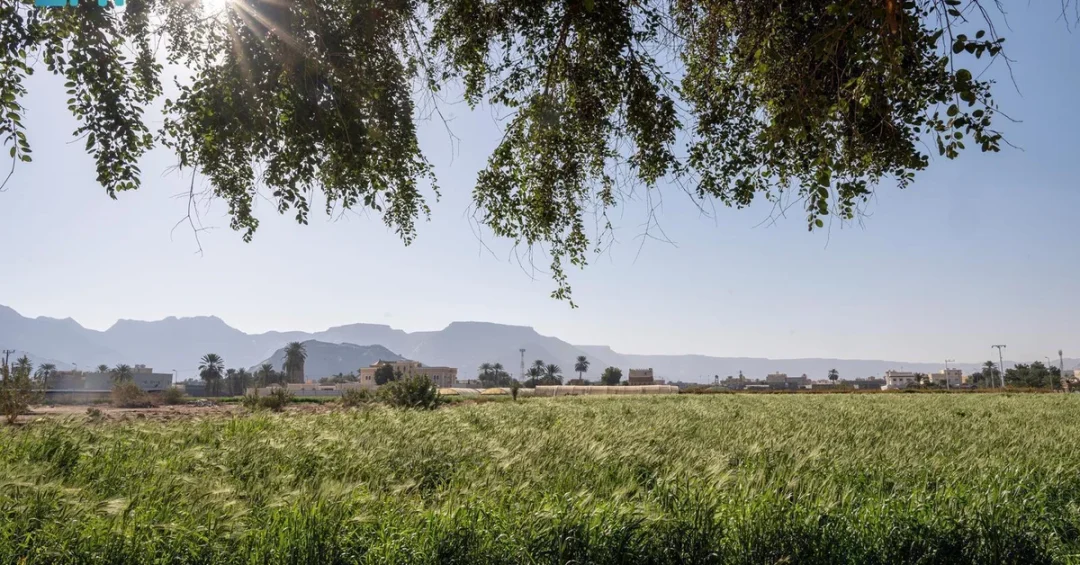
Farmers in the Najran region of Saudi Arabia are preparing for a bountiful wheat harvest in March 2025, with the crop set to meet heightened demand during the holy month of Ramadan. The harvest season follows months of dedicated labor, with wheat cultivation beginning in early October. Local markets will receive various wheat varieties, most notably Al-Bur Al-Najrani wheat (Al-Samraa), a staple in traditional Najrani cuisine.
Context and Background
Najran, a region in southwestern Saudi Arabia, has a long-standing tradition of wheat farming that contributes significantly to the Kingdom’s food security and cultural identity. The Ministry of Environment, Water and Agriculture supports local farmers through workshops, field visits, and sustainable agricultural programs, as emphasized by deputy director general Fahad Al Saab. The international organization Slow Food has recognized Najrani wheat as one of Saudi Arabia’s selected products, highlighting its nutritional value and cultural importance.
Key Details
The wheat harvest coincides with Ramadan, a period of increased consumption of traditional dishes. Al-Samraa wheat is used in popular meals such as Al-Raqsh, which consists of thin baked bread slices layered with meat, broth, milk, and ghee, and Al-Wafd, a thick baked bread shaped into a bowl and drenched in meat broth. Farmers praised the organic cultivation of Al-Samraa, grown without chemicals, and noted advancements in agricultural machinery that improve efficiency and product quality.
Implications
The successful wheat harvest reinforces Saudi Arabia’s efforts to enhance domestic food production and reduce reliance on imports. By supporting traditional farming practices and integrating modern technology, the Kingdom aims to boost agricultural sustainability. The international recognition from Slow Food also showcases Saudi heritage on a global stage, attracting interest in local products and promoting cultural tourism.
Vision 2030 Alignment
This development aligns with Saudi Vision 2030, which emphasizes food security, agricultural innovation, and the preservation of cultural heritage. By empowering local farmers and promoting sustainable practices, the Kingdom strengthens its agricultural sector, contributes to economic diversification, and ensures a stable food supply for future generations. The Najran wheat harvest exemplifies the progress made toward these national goals.
20 Questions
Q1. When will the wheat harvest take place in Najran?
A1. The wheat harvest in Najran is set to take place in March 2025, after months of cultivation that began in early October of the previous year.
Q2. What is the significance of the harvest period in 2025?
A2. The 2025 harvest coincides with the holy month of Ramadan, a time of increased demand for local wheat varieties used in traditional dishes.
Q3. What is the most renowned wheat variety in Najran?
A3. The most renowned variety is Al-Bur Al-Najrani wheat, also known as Al-Samraa, which is prized for its quality and nutritional value.
Q4. How does the Ministry of Environment, Water and Agriculture support farmers?
A4. The Ministry supports farmers through workshops, field visits, and sustainable agricultural development programs, as stated by deputy director general Fahad Al Saab.
Q5. Has Najrani wheat received international recognition?
A5. Yes, the global food organization Slow Food has included Najrani wheat among Saudi Arabia’s selected products, recognizing its nutritional and cultural importance.
Q6. What traditional dishes use Al-Samraa wheat?
A6. Traditional dishes include Al-Raqsh, which features thin baked bread with meat and broth, and Al-Wafd, a thick bread shaped like a bowl and soaked in meat broth.
Q7. How is Al-Samraa wheat cultivated?
A7. Al-Samraa wheat is cultivated organically, without the use of chemicals, preserving its natural quality and nutritional benefits.
Q8. What modern advancements aid wheat farming in Najran?
A8. Farmers have noted advancements in agricultural machinery that enhance efficiency and improve product quality during cultivation and harvest.
Q9. What role does wheat farming play in Najran’s identity?
A9. Wheat farming is a time-honored tradition that solidifies the region’s cultural identity and heritage, passed down through generations.
Q10. How does the harvest contribute to food security?
A10. The harvest boosts local food production, reducing dependency on imports and ensuring a stable supply of wheat for the region and beyond.
Q11. What is the economic impact of the wheat harvest?
A11. The harvest supports local farmers’ livelihoods, stimulates the local economy, and provides high-quality wheat for markets during high-demand periods like Ramadan.
Q12. Are there any environmental benefits to organic wheat farming?
A12. Organic farming without chemicals helps maintain soil health, reduces environmental impact, and promotes sustainable agricultural practices in the region.
Q13. What is the role of the Saudi Press Agency (SPA) in reporting this story?
A13. SPA documented the harvest preparations through visits to farms, interviewing farmers, and capturing scenic images of the golden wheat fields.
A14. The deputy director general of the Ministry of Environment, Water and Agriculture branch in Najran is Fahad Al Saab, who oversees support for farmers.
Q15. How does the harvest align with Saudi Vision 2030?
A15. It aligns with Vision 2030 goals of enhancing food security, promoting agricultural innovation, and preserving cultural heritage while diversifying the economy.
Q16. What is the typical wheat cultivation timeline in Najran?
A16. Wheat is typically planted in early October during the winter season, with harvesting occurring in March after months of growth and care.
Q17. Is Najrani wheat available in markets outside Najran?
A17. While primarily distributed in local markets, Najrani wheat’s reputation may lead to broader distribution, especially during Ramadan when demand spikes.
Q18. What makes Al-Samraa wheat unique?
A18. Al-Samraa wheat is known for its organic cultivation, high nutritional value, and its essential role in traditional Najrani cuisine, making it culturally significant.
Q19. How do farmers prepare the land for wheat cultivation?
A19. Farmers prepare the land through plowing, leveling, and ensuring proper irrigation, followed by sowing seeds in early October for a March harvest.
Q20. What future developments are expected in Najran’s wheat farming?
A20. Continued support from the Ministry and advancements in technology are expected to further improve yields, quality, and sustainability in Najran’s wheat farming sector.
Reader Feedback
We value your thoughts. Please share your feedback on this article.
Your feedback helps us improve our coverage.