


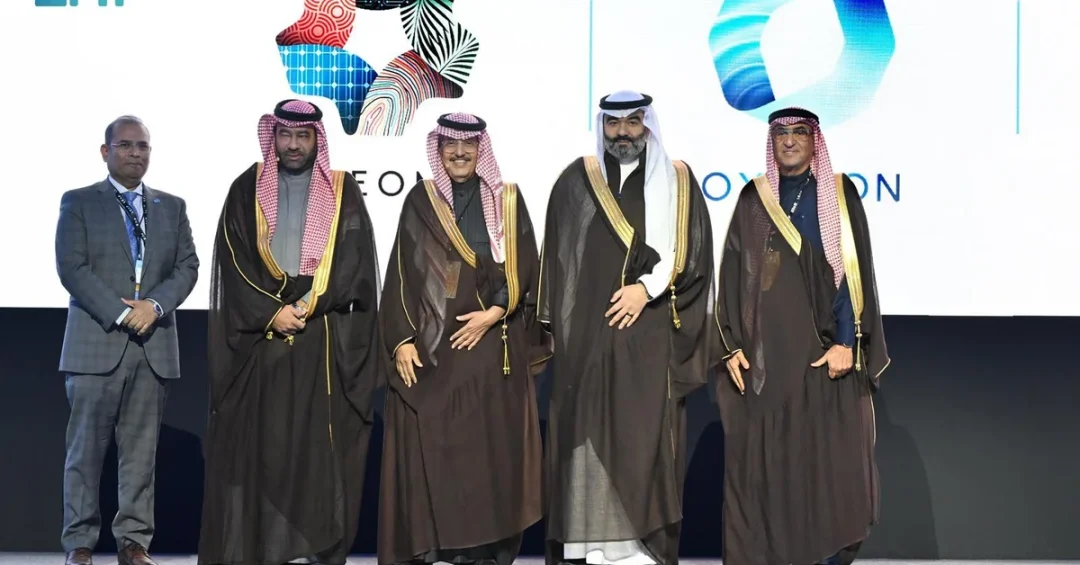
NEOM and DataVolt have signed a partnership agreement to design and develop a large-scale AI-powered data center in Oxagon with a total capacity of 1.5 gigawatts and an initial investment of $5 billion, the Saudi Press Agency announced on February 10, 2025. The project, set to be operational by 2028, marks a significant milestone in Saudi Arabia’s Vision 2030 by advancing a sustainable economy driven by data and smart technologies.
Context and Background
Data centers currently account for 1 to 1.3% of global electricity consumption, according to the International Energy Agency (IEA), and this share is expected to rise sharply due to the rapid expansion of generative AI. NEOM’s Oxagon, a hub for clean and advanced industries on the Red Sea coast, offers high-speed fiber optic connectivity via subsea cables, affordable renewable energy, and a cutting-edge industrial ecosystem, making it ideal for a green AI factory.
Key Details
The AI data center will feature an integrated system for high-density computing and energy-efficient infrastructure, incorporating advanced cooling technologies to set new global standards and reduce environmental impact. Both parties aim to fully power the facility with renewable energy from design through operations. DataVolt, a Saudi company specializing in data center investment and operation, will lead the development alongside NEOM.
“Saudi Arabia is taking confident steps toward achieving its ambitious vision, leading global efforts in the energy transition,” said Oxagon CEO Vishal Wanchoo. “This project will establish the first energy-efficient AI-powered data center in the Kingdom, reinforcing Saudi Arabia’s leadership in AI.” DataVolt CEO Rajit Nanda added, “Saudi Arabia’s strategic location and abundant green energy resources support our efforts to develop modern, sustainable data centers.”
Implications and Impact
The partnership positions Saudi Arabia as a regional and global leader in sustainable AI infrastructure, addressing the urgent need for clean solutions to high energy consumption in data centers. By leveraging Oxagon’s strategic location and resources, the project will attract further investment in digital technologies and enhance the Kingdom’s competitive edge in the global AI landscape.
Vision 2030 Alignment
This initiative directly supports Vision 2030’s goal of building a diversified, knowledge-based economy by fostering innovation in data and AI, while promoting environmental sustainability. The project exemplifies Saudi Arabia’s commitment to leading the energy transition and establishing a world-class digital infrastructure that will drive economic growth and global engagement for decades to come.
20 Questions
Q1. What is the total capacity of the AI data center planned by NEOM and DataVolt?
A1. The AI data center is designed with a total capacity of 1.5 gigawatts, making it one of the largest sustainable AI facilities in the region.
Q2. Where will the project be implemented?
A2. The project will be implemented in Oxagon, NEOM’s hub for clean and advanced industries, located on the Red Sea coast.
Q3. What is the initial investment amount for the first phase?
A3. The first phase will receive an initial investment of $5 billion, with operations expected to begin by 2028.
Q4. When is the first phase expected to become operational?
A4. The first phase is expected to become operational by 2028, following phased execution.
Q5. What is DataVolt’s role in this partnership?
A5. DataVolt is a Saudi company specializing in investment, development, and operation of data centers, and will lead the design and development of the facility.
Q6. How does this project align with Saudi Vision 2030?
A6. The project supports Vision 2030 by building a sustainable economy based on data and smart technologies, diversifying the economy away from oil.
Q7. What energy source will power the data center?
A7. Both parties aim to fully power the project with renewable energy from design to operational execution.
Q8. What cooling technologies will the facility incorporate?
A8. The facility will incorporate cutting-edge cooling technologies to set new global standards and reduce environmental impact.
Q9. What percentage of global electricity do data centers currently consume?
A9. According to the IEA, data centers currently account for 1 to 1.3% of total global electricity consumption.
Q10. Why is Oxagon an ideal location for this project?
A10. Oxagon offers a strategic Red Sea location, high-speed fiber optic connectivity via subsea cables, affordable renewable energy, and an advanced industrial ecosystem.
Q11. Who is the CEO of Oxagon?
A11. The CEO of Oxagon is Vishal Wanchoo, who emphasized the project’s importance for Saudi Arabia’s energy transition.
Q12. Who is the CEO of DataVolt?
A12. The CEO of DataVolt is Rajit Nanda, who highlighted Saudi Arabia’s strategic location and green energy resources.
Q13. What is the primary source of information for this news?
A13. The primary source is the Saudi Press Agency (SPA), which announced the partnership on February 10, 2025.
Q14. How will the project address environmental concerns?
A14. By using renewable energy and advanced cooling technologies, the project will minimize carbon footprint and set new sustainability standards.
Q15. What is Oxagon’s specialization within NEOM?
A15. Oxagon is NEOM’s hub for clean and advanced industries, focusing on sustainable manufacturing and technology.
Q16. How does this project impact Saudi Arabia’s AI leadership?
A16. The project reinforces Saudi Arabia’s leadership in AI at regional and global levels by developing state-of-the-art digital infrastructure.
Q17. What is the expected global trend in data center energy use?
A17. Energy use is expected to increase significantly over the next decade due to the rapid growth of generative AI technologies.
Q18. What is the significance of the subsea cable connectivity?
A18. High-speed fiber optic connectivity via subsea cables enables fast data transmission, crucial for AI operations and global connectivity.
Q19. Will the project create jobs or economic opportunities?
A19. Yes, the $5 billion investment will create jobs and stimulate economic growth in technology and renewable energy sectors.
Q20. What makes this data center “energy-efficient”?
A20. The facility uses integrated high-density computing and energy-efficient infrastructure, powered entirely by renewable energy, to reduce consumption.
Reader Feedback
We value your thoughts. Please share your feedback on this article.
Your feedback helps us improve our coverage.