


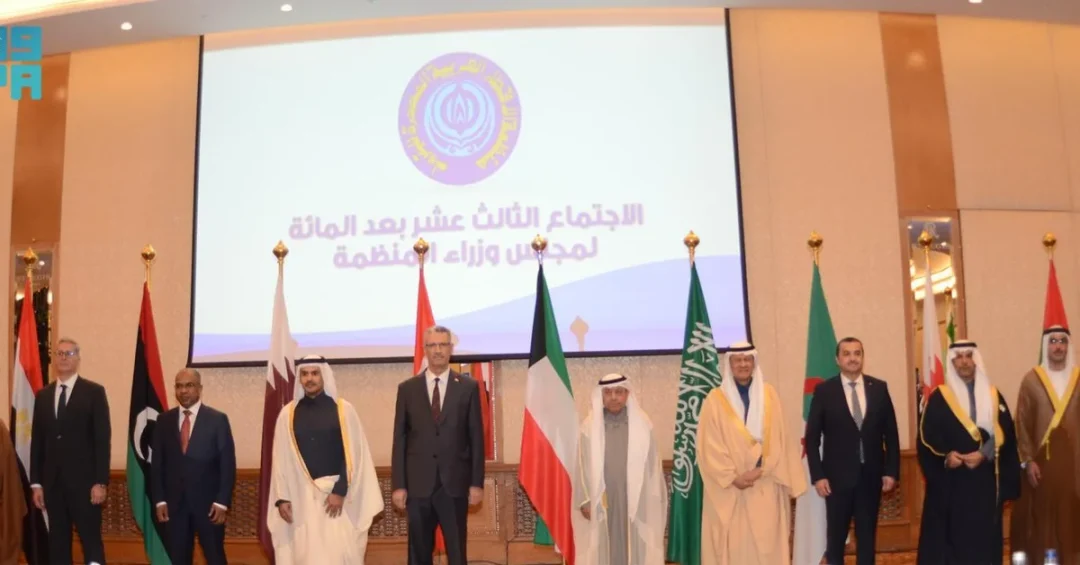
The Organization of Arab Petroleum Exporting Countries (OAPEC) has approved a landmark transformation, restructuring its framework and renaming itself the Arab Energy Organization (AEO), following a proposal submitted by the Kingdom of Saudi Arabia. The decision was formalized during the 113th ministerial meeting of OAPEC, held in Kuwait on December 15, 2024, marking a pivotal shift in the organization’s mission and scope.
Context and Background
Founded in 1968, OAPEC has historically focused on cooperation in petroleum policies among Arab states. The decision to restructure reflects the evolving global energy landscape, where diversification, sustainability, and technological innovation are increasingly central. The Saudi proposal, championed by the Kingdom’s leadership, aims to modernize the organization’s mandate to address broader energy challenges and opportunities beyond oil.
Key Details of the Restructuring
The transformation includes amendments to OAPEC’s foundational agreement, which will take effect after approval through member states’ regulatory processes. The organization’s new name, the Arab Energy Organization (AEO), signals an expanded focus on all energy-related fields, including renewable energy, energy efficiency, and emerging technologies. The General Secretariat of OAPEC expressed gratitude to Kuwait, the host country, and Qatar, the presiding nation for the session, for their support in facilitating this landmark decision.
Implications and Impact
This strategic repositioning is expected to enhance cooperation among member states in addressing shared energy challenges, exploring new opportunities, and strengthening national competencies. The AEO is positioned to become a leader in fostering dialogue and collaboration on energy issues within the Arab world, aligning with global trends toward energy transition and economic diversification. The restructuring also underscores the Kingdom of Saudi Arabia’s role as a driving force in regional energy diplomacy.
Vision 2030 Alignment
The transformation of OAPEC into the Arab Energy Organization aligns closely with the goals of Saudi Vision 2030, which emphasizes economic diversification, sustainability, and leadership in global energy innovation. By expanding its focus to encompass all energy sectors, the AEO supports the Kingdom’s ambition to be a global leader in energy, both traditional and renewable, while fostering regional stability and economic growth. This forward-looking initiative reflects Saudi Arabia’s commitment to a sustainable and prosperous future for the Arab world.
20 Questions
Q1. What was the main decision made at the OAPEC meeting?
A1. The main decision was to restructure OAPEC, rename it the Arab Energy Organization (AEO), and expand its focus beyond petroleum to include all energy sectors.
Q2. When and where did the OAPEC meeting take place?
A2. The 113th ministerial meeting of OAPEC took place in Kuwait on December 15, 2024.
Q3. Who proposed the restructuring initiative?
A3. The restructuring initiative was based on a proposal submitted by the Kingdom of Saudi Arabia.
Q4. What is the new name of the organization?
A4. The new name of the organization is the Arab Energy Organization (AEO).
Q5. Why was the restructuring necessary?
A5. The restructuring was necessary to address evolving priorities and challenges in the global and regional energy sectors, moving beyond a sole focus on petroleum.
Q6. What will be the scope of the AEO?
A6. The AEO will focus on fostering cooperation among member states in all energy-related fields, including renewables, efficiency, and technology.
Q7. How will the foundational agreement of OAPEC be changed?
A7. The foundational agreement will be amended to reflect the new structure and name, with changes taking effect after approval by member states’ regulatory processes.
Q8. Which countries were thanked for their support?
A8. Kuwait, as the host country, and Qatar, as the presiding nation, were thanked for their support.
Q9. What is the goal of the AEO regarding member states?
A9. The AEO aims to enhance national competencies and capabilities, share knowledge, and strengthen energy capabilities of member states.
Q10. How does this decision support Saudi Vision 2030?
A10. The decision supports Vision 2030 by promoting economic diversification, sustainability, and Saudi Arabia’s leadership in global energy innovation.
Q11. What does the term “energy landscape” mean in this context?
A11. It refers to the broad spectrum of energy sources and technologies, including oil, gas, renewables, and emerging clean energy solutions.
Q12. Will the AEO continue to address petroleum issues?
A12. Yes, but the AEO will expand its focus to include all energy sectors, making it a more comprehensive platform.
Q13. What role did the General Secretariat play in this process?
A13. The General Secretariat highlighted the Saudi proposal and affirmed its commitment to finalizing the development plan with support from member states.
Q14. How will the restructuring affect cooperation among Arab states?
A14. It is expected to enhance cooperation by providing a broader framework for collaboration on diverse energy challenges and opportunities.
Q15. What is the timeline for implementing the changes?
A15. The changes will take effect following approval through member states’ regulatory processes, with the General Secretariat working to finalize the development plan soon.
Q16. Why is this decision considered a “pivotal shift”?
A16. It marks a significant move from a petroleum-only focus to a comprehensive energy approach, reflecting global energy transition trends.
Q17. What kind of expertise will the AEO develop?
A17. The AEO will develop expertise in energy diversification, sustainability, and technological innovation to strengthen member economies.
Q18. How does the new name reflect the organization’s mission?
A18. The name “Arab Energy Organization” better represents its expanded mission to cover all energy fields, not just petroleum.
Q19. What is the role of Saudi Arabia in this transformation?
A19. Saudi Arabia proposed the restructuring, demonstrating its leadership in regional energy diplomacy and alignment with Vision 2030 goals.
Q20. What are the expected long-term benefits of the AEO?
A20. Long-term benefits include stronger energy cooperation, economic diversification, and a more resilient energy sector for member states, supporting regional stability.
Reader Feedback
We value your thoughts. Please share your feedback on this article.
Your feedback helps us improve our coverage.