


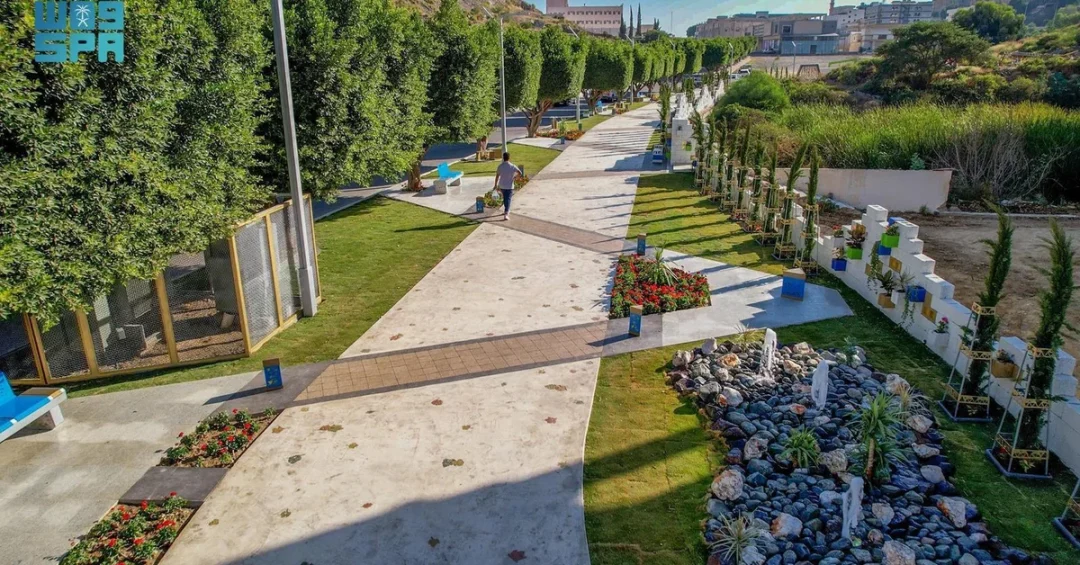
The Quality of Life Program, a key initiative under Saudi Arabia’s Vision 2030, is significantly transforming the urban landscape of the Kingdom’s cities by enhancing public services, expanding green spaces, and improving living standards for residents. According to the Saudi Press Agency, the program, implemented by the Ministry of Municipalities and Housing and other executive authorities, has achieved measurable progress in urban planning and service quality, directly contributing to the national goal of creating vibrant and sustainable communities.
Context and Background
Launched as part of Vision 2030, the Quality of Life Program aims to improve the well-being of citizens and residents by developing new liveability standards across Saudi cities. The program focuses on creating an environment that fosters economic growth, cultural engagement, and social connection through urban development. The Ministry of Municipalities and Housing, along with partners like the Ministry of Human Resources and Social Development, has been central to executing initiatives that reshape urban spaces and enhance daily life.
Key Achievements in Urban Development
Significant strides have been made in expanding green cover and public amenities. The program increased the per capita rate of public squares in some municipalities to 6.16 square meters, exceeding the targeted 4.65 square meters. The Kingdom now boasts over 8,328 gardens and parks covering 161.5 million square meters, 5,515 playgrounds, and more than 24 million trees planted across 222.9 million square meters of green spaces. The Bahja Project has transformed unused spaces into active urban areas, while the Green Suburbs Project aims to plant over 1.2 million trees in 50 housing projects nationwide. Infrastructure improvements include extending the road network by 2,500 kilometers, installing 146,000 new lighting poles, and constructing new bridges and pedestrian crossings.
Digital Transformation and Investment Growth
The municipal sector has undergone a major digital transformation, with platforms like the unified Asas system and the interactive municipal advisor achieving an 88.64% score in the government’s digital transformation assessment. The Sakani Metaverse platform and Balady app have won international awards, including from the World Summit on the Information Society. User satisfaction with digital services reached 86%, with complaints reduced to just 0.9% of 8.5 million requests. In 2023, the Furas platform for municipal real estate investment facilitated over 5,700 contracts and hosted a forum where agreements worth more than SAR12 billion were signed, showcasing the program’s role in attracting private sector investment.
Social and Labor Housing Initiatives
The program has also improved living conditions for guest workers. The Ministry of Human Resources and Social Development has regulated the foreign labor housing sector, privatized licensing services, and issued a comprehensive service guide to inform workers of their rights. The ‘voice of the beneficiaries’ service allows instant feedback, and a beneficiary care center now features video and audio recording to enhance transparency and service quality. Licensed collective dwellings have increased to 7,466, with capacity growing to 1,140,321 beds.
20 Questions
Q1. What is the Quality of Life Program in Saudi Arabia?
A1. It is a Vision 2030 initiative focused on improving urban living standards, enhancing public services, and creating vibrant communities through municipal and housing projects across Saudi cities.
Q2. Who leads the implementation of the Quality of Life Program?
A2. The Ministry of Municipalities and Housing, along with other relevant executive authorities, leads the implementation of initiatives under the program.
Q3. How much has the per capita public square space increased?
A3. In some municipalities, the per capita rate of public squares increased to 6.16 square meters, surpassing the planned target of 4.65 square meters per person.
Q4. How many gardens and parks have been developed?
A4. A total of 8,328 gardens and parks have been developed, covering an area of 161.5 million square meters.
Q5. What is the Bahja Project?
A5. The Bahja Project transforms unused urban spaces into active areas and parks, aiming to improve the quality of life and well-being of residents in cities and residential neighborhoods.
Q6. What is the goal of the Green Suburbs Project?
A6. The Green Suburbs Project aims to plant over 1.2 million trees in more than 50 housing projects across various regions of the Kingdom, enhancing green cover.
Q7. How many trees have been planted under the program?
A7. More than 24 million trees have been planted, contributing to 222.9 million square meters of developed green spaces.
Q8. What infrastructure improvements have been made to roads?
A8. The road network was extended by about 2,500 kilometers, and 146,000 new lighting poles were installed to improve safety and connectivity.
Q9. How many new bridges were constructed?
A9. Seven new bridges were constructed, bringing the total number of bridges in the country to 505.
Q10. What is the Asas system?
A10. The Asas system is a unified government resource planning platform introduced as part of the digital transformation in the municipal sector.
Q11. What awards did the Sakani Metaverse platform win?
A11. It won the Middle East Excellence Award for Technology and the World Summit on the Information Society (WSIS) Excellence Award for its innovation.
Q12. How many commercial licenses were issued or renewed in 2023?
A12. A total of 696,457 commercial licenses were issued or renewed in 2023, marking a 35.7% increase in new licenses and a 50% increase in renewed ones.
Q13. What is the Furas platform?
A13. Furas is a platform for municipal real estate investment that encourages private sector participation, facilitates investor procedures, and increases returns on municipal assets.
Q14. How many contracts were signed through the Furas platform?
A14. Over 5,700 contracts were signed by various municipalities and entities through the Furas platform in 2023.
Q15. What is the Ajwad certificate?
A15. The Ajwad certificate is awarded to projects that meet quality standards in the municipal sector, with 15 projects receiving it last year.
Q16. How many licensed collective dwellings are there?
A16. The number of licensed collective dwellings increased to 7,466, with a licensed housing capacity of 1,140,321 beds.
Q17. How is the labor housing sector being regulated?
A17. The Ministry of Human Resources and Social Development has implemented mechanisms for collaboration between government entities and privatized the licensing service through engineering offices.
Q18. What is the ‘voice of the beneficiaries’ service?
A18. It is a service that allows guest workers to share their opinions and give instant feedback on the quality of services provided to them.
Q19. What is the user satisfaction rate for digital platforms?
A19. User satisfaction with digital platforms has reached an impressive 86%, with complaints reduced to only 0.9% of the total 8.5 million requests.
Q20. How does the program align with Vision 2030?
A20. The program directly supports Vision 2030 by creating vibrant, sustainable communities, improving quality of life, attracting investment, and enhancing urban infrastructure across the Kingdom.
Vision 2030 Alignment
The Quality of Life Program directly supports Vision 2030’s objective of creating vibrant and sustainable communities that offer a high quality of life. By humanizing cities, expanding green spaces, modernizing infrastructure, and improving digital services, the program is laying the groundwork for a more prosperous and attractive Saudi Arabia. These efforts not only enhance the daily lives of citizens and residents but also position the Kingdom as a leading global destination for tourism, business, and investment, in line with the long-term goals of Vision 2030.
Reader Feedback
We value your thoughts. Please share your feedback on this article.
Your feedback helps us improve our coverage.