


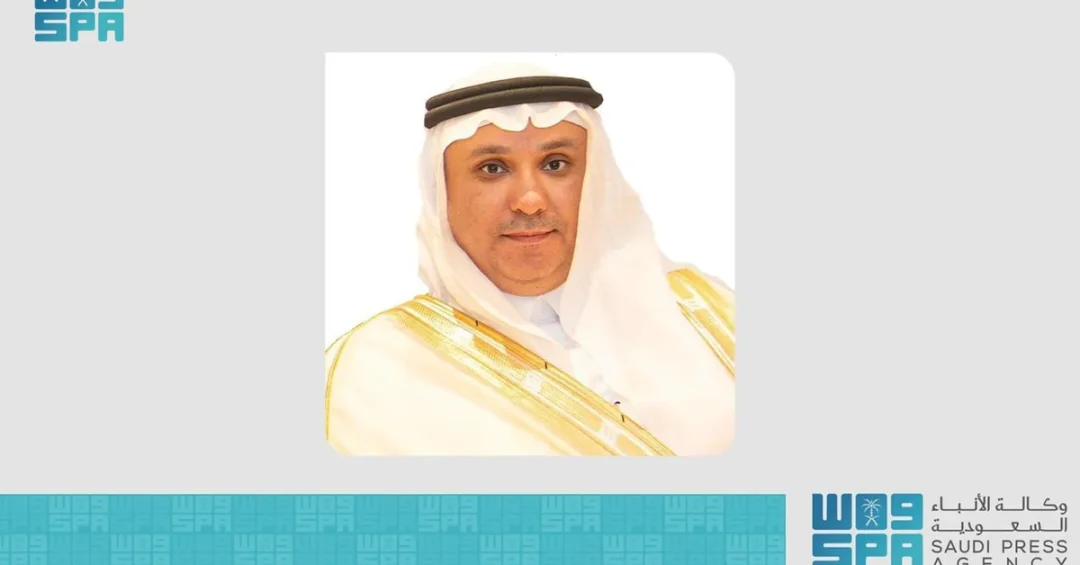
The Saudi Ambassador to Albania and Non-resident Ambassador to Montenegro, Faisal bin Ghazi Hifzi, has affirmed that the visit programs for the Imams of the Two Holy Mosques play a vital role in promoting moderation and strengthening ties with Muslim communities worldwide. During a recent official visit to Montenegro, Ambassador Hifzi highlighted the significance of these initiatives, which are overseen by the Ministry of Islamic Affairs, Dawah and Guidance. The ambassador’s remarks came during the visit of Sheikh Dr. Khalid bin Sulaiman Al-Muhanna, Imam and Khatib of the Prophet’s Mosque, to Montenegro.
Context and Background
The Kingdom of Saudi Arabia, through its Ministry of Islamic Affairs, Dawah and Guidance, has long prioritized the dissemination of Islam’s tolerant message. The visit programs for the Imams of the Two Holy Mosques are designed to foster interfaith dialogue, build bridges between cultures, and counter extremist ideologies. By sending prominent religious figures abroad, Saudi Arabia underscores its commitment to promoting peace and understanding on a global scale, aligning with its traditional role as a leader in the Islamic world.
Key Details of the Visit
Ambassador Hifzi emphasized that the official visit of Sheikh Al-Muhanna to Montenegro included the inauguration of the Hadrovic Mosque in the capital, Podgorica. The ceremony was attended by local Islamic leaders and community members, highlighting the strong ties between Saudi Arabia and Montenegro. Sheikh Al-Muhanna also held meetings with various Islamic figures in Montenegro, reinforcing the Kingdom’s dedication to fostering meaningful connections. The ambassador described this engagement as a model of fruitful Islamic communication.
International Implications and Regional Impact
The visit carries significant implications for the Balkans, a region with diverse religious communities. Saudi Arabia’s outreach in Montenegro, a predominantly Christian Orthodox country with a notable Muslim minority, exemplifies the Kingdom’s strategy of promoting interfaith coexistence. Such initiatives help counter potential divisive influences while showcasing Saudi Arabia’s soft power. Ambassador Hifzi stated that these programs reflect the Kingdom’s genuine interest in strengthening bonds of Islamic brotherhood and social cohesion among peoples across borders.
Vision 2030 Alignment
These efforts are closely aligned with Saudi Vision 2030, which emphasizes the Kingdom’s role as a central hub for the Islamic world. By supporting cultural and religious exchanges, Saudi Arabia seeks to enhance its global standing and promote a balanced, moderate interpretation of Islam. The visit programs for the Imams of the Two Holy Mosques are a cornerstone of this approach, fostering partnerships that contribute to long-term international stability and mutual respect. As Vision 2030 advances, such initiatives will continue to underscore the Kingdom’s commitment to responsible global leadership.
20 Questions
Q1. What is the purpose of the visit programs for the Imams of the Two Holy Mosques?
A1. The programs aim to consolidate relations between Saudi Arabia and Islamic communities globally, spread Islam’s tolerant message, and promote moderation in religious discourse.
Q2. Who is the Saudi Ambassador to Albania and Montenegro?
A2. The ambassador is Faisal bin Ghazi Hifzi, who also serves as the non-resident ambassador to Montenegro.
Q3. Which Saudi ministry oversees the visit programs?
A3. The Ministry of Islamic Affairs, Dawah and Guidance is responsible for implementing these programs.
Q4. Which Mosque was inaugurated during the visit to Montenegro?
A4. The Hadrovic Mosque in Podgorica, the capital of Montenegro, was inaugurated.
Q5. Who is the Imam that visited Montenegro?
A5. Sheikh Dr. Khalid bin Sulaiman Al-Muhanna, the Imam and Khatib of the Prophet’s Mosque, made the visit.
Q6. How does the visit support interfaith relations?
A6. It fosters dialogue and understanding between religious communities, building bridges of peace and cooperation.
Q7. What message does Saudi Arabia aim to spread through these visits?
A7. Saudi Arabia seeks to spread Islam’s message of tolerance, peace, and moderation.
Q8. What is the significance of the Balkans for Saudi Arabia?
A8. The region has diverse religious populations, making it a key area for promoting coexistence and countering extremism.
Q9. How does this visit relate to Vision 2030?
A9. It aligns with Vision 2030’s goal of positioning Saudi Arabia as a global leader in moderate Islamic values and international cooperation.
Q10. What other activities did Sheikh Al-Muhanna undertake in Montenegro?
A10. He held meetings with local Islamic figures and community leaders to strengthen bonds of brotherhood.
Q11. What did Ambassador Hifzi say about the visit?
A11. He described it as a model of fruitful Islamic communication and a reflection of Saudi Arabia’s commitment to unity.
Q12. How does the program counter extremism?
A12. By promoting a balanced interpretation of Islam and fostering dialogue, it helps undermine extremist narratives.
Q13. Is this the first such program in the Balkans?
A13. The article does not specify, but it is part of an ongoing series of visits to various countries.
Q14. What role does the Prophet’s Mosque hold in Islam?
A14. It is one of the Two Holy Mosques and a key site of Islamic worship and pilgrimage.
Q15. Who authorized the program?
A15. The program is implemented by the Ministry of Islamic Affairs, Dawah and Guidance, on behalf of the Saudi government.
Q16. What is the community’s reaction in Montenegro?
A16. The inauguration was well-received, with local Islamic leaders participating in the events.
Q17. How does this program affect Saudi-Montenegrin relations?
A17. It strengthens diplomatic and cultural ties, promoting mutual respect and understanding.
Q18. What is the official source of this news?
A18. The information was released by the Saudi Press Agency (SPA).
Q19. Does the program include other countries?
A19. Yes, the program has a global scope, with visits to various nations to engage with Islamic communities.
Q20. What long-term impact is expected?
A20. The program is expected to enhance Saudi Arabia’s global role as a voice of moderation and a bridge between cultures.
Reader Feedback
We value your thoughts. Please share your feedback on this article.
Your feedback helps us improve our coverage.