


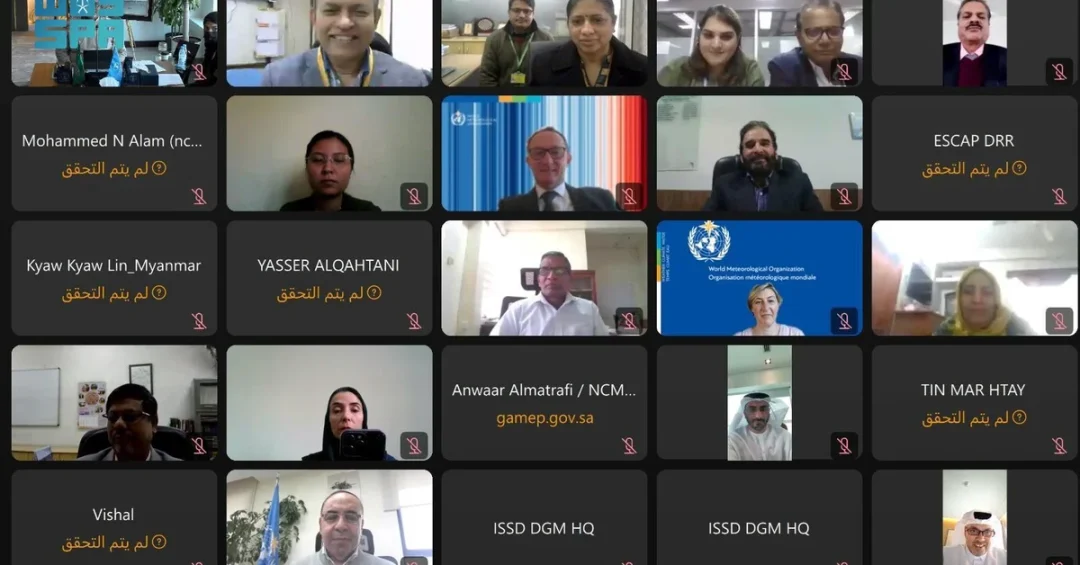
The Kingdom of Saudi Arabia, represented by the National Center of Meteorology (NCM), chaired the 51st session of the World Meteorological Organization’s (WMO) Panel on Tropical Cyclones (PTC) on December 16, 2024, in a virtual meeting that brought together member states and relevant international organizations to enhance global cooperation on tropical cyclone management.
Context and Background
The WMO Panel on Tropical Cyclones is a key international body focused on improving the monitoring, forecasting, and mitigation of tropical cyclones, which pose significant risks to communities and infrastructure across the region. Saudi Arabia’s leadership of this session underscores its growing role in global meteorological governance and its commitment to addressing climate-related challenges. The meeting was held virtually, reflecting modern approaches to international collaboration while maintaining focus on critical issues such as climate change adaptation and disaster risk reduction.
Key Details
In his opening speech, NCM Chief Executive Officer Dr. Ayman bin Salem Ghulam welcomed participants and expressed gratitude to member states for their continued efforts to enhance joint action against tropical cyclones and severe weather conditions. Dr. Ghulam highlighted that the session provided an opportunity to discuss technical and scientific reports showcasing the PTC’s efforts to improve member states’ preparedness for tropical cyclone risks. He emphasized the importance of reviewing lessons learned from past cyclones and developing innovative mechanisms to boost monitoring and forecasting accuracy, as well as expanding information exchange among member states.
The agenda included reviewing performance reports, lessons learned, and future plans, alongside discussions on strengthening cooperation to develop effective and sustainable strategies for addressing tropical cyclones. Dr. Ghulam noted that the increasing frequency of such events in recent years necessitates enhanced regional coordination and preparedness to mitigate the impacts of climate change on regional communities.
Implications and Impact
The successful chairing of this session reinforces Saudi Arabia’s leadership in regional and international efforts to combat climate-related disasters. By promoting collaboration among member states, the Kingdom is helping to build a more resilient global framework for tropical cyclone management. The focus on sustainable strategies aligns with broader international goals, including the Sustainable Development Goals (SDGs), and positions Saudi Arabia as a key player in addressing shared environmental challenges. The outcomes of this session are expected to improve early warning systems and disaster response capabilities across the region, benefiting millions of people vulnerable to tropical cyclones.
Vision 2030 Alignment
This initiative directly supports Saudi Vision 2030 by advancing the Kingdom’s goals of environmental sustainability, global leadership, and economic diversification. By chairing the WMO PTC, Saudi Arabia demonstrates its commitment to leveraging scientific expertise and international partnerships to build a safer, more sustainable future. The emphasis on innovation and information exchange reflects Vision 2030’s focus on developing human capital and strengthening institutional capacity, ensuring that the Kingdom remains at the forefront of global efforts to address climate challenges while fostering a high-quality life for its citizens and contributing to global stability.
20 Questions
Q1. What was the 51st session of the WMO Panel on Tropical Cyclones?
A1. The 51st session was a virtual meeting chaired by Saudi Arabia’s National Center of Meteorology, focusing on enhancing cooperation among member states to address tropical cyclones and severe weather conditions.
Q2. Who chaired the 51st session of the WMO PTC?
A2. The session was chaired by the Kingdom of Saudi Arabia, represented by the National Center of Meteorology (NCM).
Q3. When was the 51st session held?
A3. The session was held on December 16, 2024.
Q4. Who delivered the opening speech at the session?
A4. The opening speech was delivered by NCM Chief Executive Officer Dr. Ayman bin Salem Ghulam.
Q5. What did Dr. Ghulam emphasize in his speech?
A5. He emphasized the importance of reviewing lessons from past cyclones and developing innovative mechanisms to improve monitoring and forecasting accuracy.
Q6. Why is the WMO Panel on Tropical Cyclones important?
A6. The PTC is critical for improving the monitoring, forecasting, and mitigation of tropical cyclones, protecting communities and infrastructure from severe weather risks.
Q7. How does Saudi Arabia benefit from chairing this session?
A7. Chairing the session reinforces Saudi Arabia’s global leadership in meteorology and its commitment to climate change adaptation and disaster risk reduction.
Q8. What topics were discussed in the session?
A8. Key topics included performance reports, lessons learned, future plans, and ways to enhance cooperation for sustainable strategies against tropical cyclones.
Q9. How does this session relate to climate change?
A9. The session addressed the increasing number of tropical cyclones due to climate change, stressing the need for stronger regional coordination and preparedness.
Q10. What is the role of the National Center of Meteorology in Saudi Arabia?
A10. The NCM is responsible for meteorological services, including weather forecasting, climate monitoring, and disaster management, aligning with Vision 2030 goals.
Q11. How does this initiative support the Sustainable Development Goals?
A11. The session emphasized integrating joint efforts to achieve SDGs related to climate action, disaster risk reduction, and sustainable development.
Q12. What is the expected outcome of this session?
A12. The outcome is expected to improve early warning systems and disaster response capabilities across the region, benefiting vulnerable populations.
Q13. Which organizations participated in the session?
A13. The session included participation from WMO member states and relevant international organizations focused on meteorology and disaster management.
Q14. How does Dr. Ghulam view the role of information exchange?
A14. He highlighted the importance of expanding information exchange among member states to enhance monitoring and forecasting accuracy.
Q15. What mechanisms were discussed for improving cyclone management?
A15. The session focused on developing innovative mechanisms to improve monitoring, forecasting, and information sharing to better address cyclone risks.
Q16. How does this session align with Saudi Vision 2030?
A16. It supports Vision 2030 by advancing environmental sustainability, global leadership, and institutional capacity building for a safer future.
Q17. What challenges did the session address?
A17. The session addressed challenges posed by increasing tropical cyclones and severe weather events, emphasizing the need for enhanced preparedness.
Q18. How does Saudi Arabia promote regional cooperation through this?
A18. By chairing the session, Saudi Arabia fosters collaboration among member states to develop effective and sustainable strategies for cyclone management.
Q19. What is the significance of reviewing lessons from past cyclones?
A19. Reviewing lessons helps improve future preparedness, develop better monitoring tools, and reduce the impacts of cyclones on communities and infrastructure.
Q20. What message did Dr. Ghulam convey about future efforts?
A20. He called for continuing and integrating joint efforts to achieve sustainable development goals and address climate challenges affecting the region.
Reader Feedback
We value your thoughts. Please share your feedback on this article.
Your feedback helps us improve our coverage.