


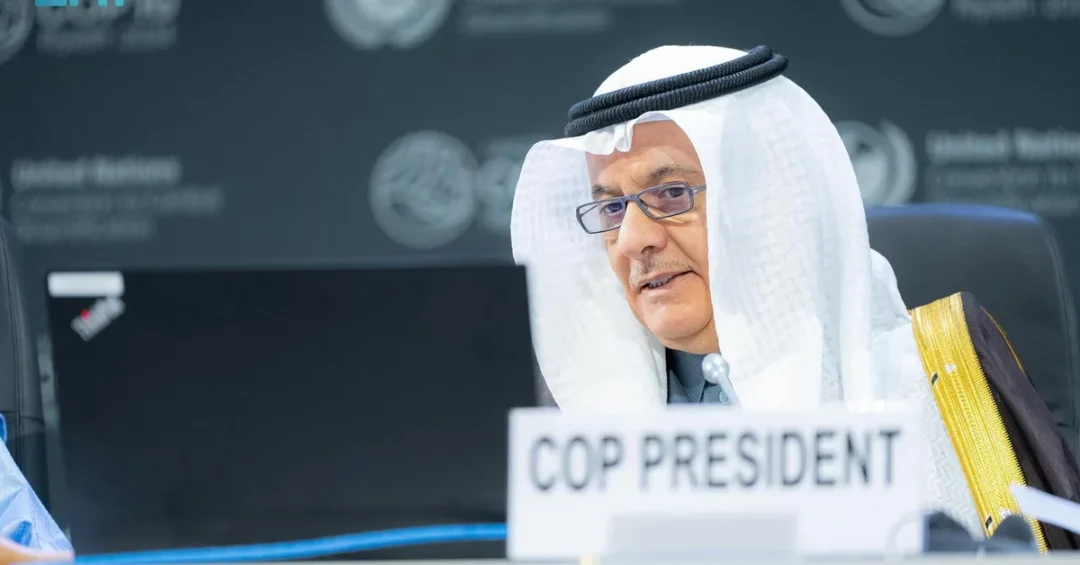
Riyadh, December 2, 2024 – At the opening of the 16th session of the Conference of the Parties (COP16) to the United Nations Convention to Combat Desertification (UNCCD), the Kingdom of Saudi Arabia launched the Riyadh Global Drought Resilience Partnership, backed by an initial $150 million contribution from the Saudi government over the next decade. The announcement, made by Minister of Environment, Water and Agriculture and President of UNCCD COP16, Eng. Abdulrahman Alfadley, signals a major commitment to multilateral action against one of the world’s most pressing environmental and humanitarian challenges.
Context and Background
Drought, which affects more than 1.5 billion people globally each year, has become increasingly severe due to climate change and land degradation. The UNCCD COP16, hosted in Riyadh, provides a pivotal platform for nations to forge new, proactive strategies. The Riyadh Global Drought Resilience Partnership emerges from this context as a coordinated international effort to move beyond reactive crisis management and toward systematic, prevention-focused resilience building. This initiative builds directly on Saudi Arabia’s recent environmental leadership, including the Saudi Green Initiative and the Middle East Green Initiative, the G20 Global Land Initiative launched under the Kingdom’s 2020 G20 Presidency, and the establishment of the Global Water Organization.
Key Details of the Partnership
Eng. Abdulrahman Alfadley outlined that the Riyadh Global Drought Resilience Partnership will focus on proactive preparedness through comprehensive strategies. Key areas of action include assessing drought risks, improving early warning systems, promoting sustainable agriculture and drought-resistant crops, facilitating financing for improved water infrastructure, and offering insurance solutions to support small farmers. The Saudi government’s $150 million commitment over ten years will catalyze these efforts, supporting countries most affected by drought. Partners already engaged include the Secretariat of the United Nations Convention to Combat Desertification, the United Nations Development Programme, and the World Economic Forum, reflecting a broad multilateral coalition.
Implications and International Impact
The launch of this partnership positions Saudi Arabia as a central architect of global drought resilience. It demonstrates the Kingdom’s capacity to mobilize resources and convene international stakeholders toward shared environmental goals. For drought-prone nations in Africa, the Middle East, and Central Asia, the initiative promises enhanced technical support, financial tools, and data-driven early warning systems. The partnership also reinforces the outcomes of previous Saudi-led global efforts, such as the G20 Global Land Initiative, creating a cohesive framework for land restoration and water security. By integrating public, private, and multilateral expertise, the initiative sets a new standard for collaborative environmental governance.
Vision 2030 Alignment
The Riyadh Global Drought Resilience Partnership aligns directly with Saudi Vision 2030, which prioritizes environmental sustainability, economic diversification, and global leadership. The initiative supports the Kingdom’s goal of enhancing quality of life by securing water resources and promoting sustainable agriculture, while also strengthening Saudi Arabia’s role as a responsible global partner. As UNCCD COP16 continues in Riyadh, this partnership exemplifies how Vision 2030 drives innovative, scalable solutions that address both national development priorities and international environmental challenges, reinforcing a future of shared prosperity and ecological stewardship.
20 Questions
Q1. What was announced on December 2, 2024?
A1. Saudi Arabia announced the Riyadh Global Drought Resilience Partnership during the opening of UNCCD COP16 in Riyadh, aimed at strengthening global cooperation to address drought.
Q2. How much funding did the Saudi government pledge for the initiative?
A2. The government of Saudi Arabia pledged $150 million to support the initiative over the next 10 years.
Q3. Who made the official announcement?
A3. The announcement was made by Eng. Abdulrahman Alfadley, Minister of Environment, Water and Agriculture of Saudi Arabia and President of UNCCD COP16.
Q4. What is the primary goal of the Riyadh Global Drought Resilience Partnership?
A4. The goal is to strengthen multilateral cooperation to proactively address drought challenges, particularly in the most affected countries, through comprehensive preparedness strategies.
Q5. Which organizations are already partners in the initiative?
A5. Partners include the Secretariat of the United Nations Convention to Combat Desertification, the United Nations Development Programme, and the World Economic Forum.
Q6. What previous Saudi environmental initiatives does this build upon?
A6. It builds on the Saudi Green Initiative, Middle East Green Initiative, G20 Global Land Initiative, and the Global Water Organization.
Q7. When was the G20 Global Land Initiative launched?
A7. The G20 Global Land Initiative was launched by Saudi Arabia during its G20 Presidency in 2020.
Q8. What is the focus of the partnership’s strategies?
A8. Strategies focus on proactive preparedness, including drought risk assessment, early warning systems, sustainable agriculture, water infrastructure financing, and insurance for small farmers.
Q9. How does this partnership relate to Vision 2030?
A9. The partnership supports Vision 2030 by advancing environmental sustainability, water security, and sustainable agriculture, while enhancing Saudi Arabia’s global leadership role.
Q10. What is UNCCD COP16?
A10. UNCCD COP16 is the 16th session of the Conference of the Parties to the United Nations Convention to Combat Desertification, hosted in Riyadh in 2024.
Q11. Why is drought a critical global issue?
A11. Drought affects over 1.5 billion people annually, causing severe social, economic, and environmental impacts, and is worsening due to climate change and land degradation.
Q12. What is the role of the World Economic Forum in this partnership?
A12. The World Economic Forum is a key partner, contributing expertise and convening power to support the initiative’s goals of building drought resilience globally.
Q13. How will the partnership support small farmers?
A13. It offers insurance solutions and promotes drought-resistant crops and sustainable farming practices to help small farmers manage drought risks.
Q14. What is the Middle East Green Initiative?
A14. The Middle East Green Initiative is a Saudi-led regional effort to combat desertification, restore land, and promote green growth across the Middle East.
Q15. What is the Global Water Organization?
A15. The Global Water Organization is a Saudi-led international body focused on addressing water scarcity and improving water management worldwide.
Q16. What does proactive preparedness mean in this context?
A16. It means implementing strategies before drought strikes, such as early warning systems and infrastructure improvements, rather than only responding after a crisis occurs.
Q17. Which regions are expected to benefit most from this partnership?
A17. Drought-prone regions, including parts of Africa, the Middle East, and Central Asia, are expected to benefit from enhanced technical and financial support.
Q18. How does the partnership contribute to sustainable development goals?
A18. It reduces social, economic, and environmental impacts of drought, supporting goals related to zero hunger, clean water, climate action, and life on land.
Q19. Is this initiative open to new partners?
A19. Yes, Saudi Arabia urged all countries and organizations worldwide to join the partnership to strengthen global capacity against drought.
Q20. How does the partnership reflect Saudi Arabia’s international leadership?
A20. By committing $150 million and convening multilateral partners, Saudi Arabia demonstrates proactive leadership in addressing global environmental and humanitarian challenges through concrete action.
Reader Feedback
We value your thoughts. Please share your feedback on this article.
Your feedback helps us improve our coverage.