


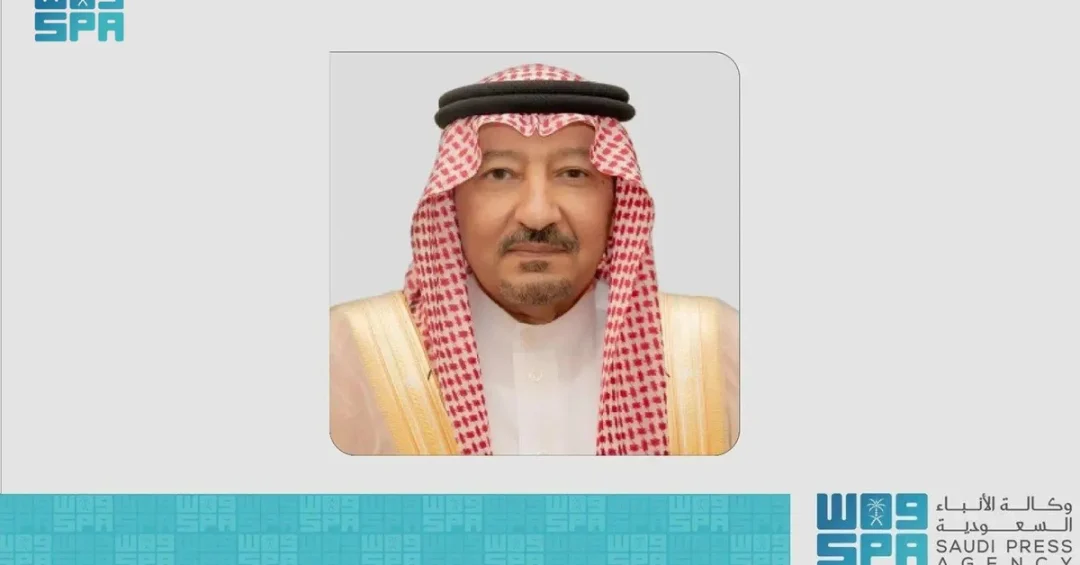
Saudi Vice Minister of Foreign Affairs Eng. Waleed bin Abdulkarim El-Khereiji and People’s Republic of China Vice Foreign Minister Deng Li held a telephone conversation on Monday, discussing a range of regional and international developments of mutual interest. The high-level dialogue underscores the growing strategic partnership between the Kingdom of Saudi Arabia and China, reflecting a shared commitment to fostering stability and cooperation on the global stage. The call, as reported by the Saudi Press Agency (SPA), focused on ongoing efforts and collaborative initiatives to address pressing issues affecting peace and security.
Context and Background
The telephone discussion between Vice Minister El-Khereiji and Vice Foreign Minister Deng Li is a continuation of the robust diplomatic engagement between Saudi Arabia and China. Both nations have strengthened their bilateral ties in recent years, anchored by mutual respect and a shared vision for economic development and regional stability. This latest exchange builds upon a series of high-level visits and agreements, including those under the framework of the China-Arab States Cooperation Forum and the Belt and Road Initiative, which align closely with Saudi Arabia’s Vision 2030 goals. The conversation between the two vice ministers highlights the Kingdom’s proactive role in international diplomacy, seeking constructive dialogue with key global partners.
Key Details
During the phone call, Vice Minister El-Khereiji and Vice Foreign Minister Deng Li reviewed a wide array of regional and international matters. While the official statement from SPA noted a general focus on developments of mutual interest, the discussion underscores the depth of Saudi-Chinese coordination on issues such as geopolitical tensions, economic cooperation, and global governance. The dialogue reflects a mutual understanding of the need for sustained communication to navigate complex international challenges. Officials from both sides emphasized the importance of continued cooperation in multilateral forums, including the United Nations, to promote collective security and sustainable development.
Implications and Impact
The diplomatic exchange carries significant implications for regional and international dynamics. Saudi Arabia’s engagement with China, a permanent member of the UN Security Council, amplifies its voice on critical issues affecting the Middle East and beyond. The call reinforces the Kingdom’s strategy of diversifying its international partnerships, a cornerstone of Vision 2030 that seeks to enhance Saudi Arabia’s global standing and economic resilience. By maintaining open channels with Beijing, Riyadh contributes to fostering dialogue on matters like energy security, trade, and conflict resolution, which are vital for both nations. This collaboration also signals a shared interest in promoting stability in regions such as the Gulf and the broader Asian continent.
Vision 2030 Alignment
The telephone conversation between Vice Minister El-Khereiji and Vice Foreign Minister Deng Li is a testament to Saudi Arabia’s commitment to building strong, mutually beneficial international relationships as part of its Vision 2030 framework. The Kingdom’s active diplomacy—engaging with major powers like China—supports its goals of economic diversification, technological exchange, and cultural openness. Such dialogues not only enhance bilateral cooperation but also position Saudi Arabia as a reliable and influential partner in addressing global challenges. Looking forward, this engagement paves the way for further collaboration on strategic projects, reinforcing the Kingdom’s role as a hub for international dialogue and a driver of positive change in the region and the world.
20 Questions
Q1. Who initiated the telephone conversation between Saudi Arabia and China?
A1. The telephone conversation was initiated as a diplomatic engagement between Saudi Vice Minister of Foreign Affairs Eng. Waleed bin Abdulkarim El-Khereiji and Chinese Vice Foreign Minister Deng Li, as reported by SPA.
Q2. What was the primary purpose of the call?
A2. The primary purpose was to discuss regional and international developments of mutual interest, highlighting the strong bilateral ties and commitment to cooperation between the two nations.
Q3. When did this telephone discussion take place?
A3. The discussion took place on Monday, October 14, 2024, according to the official statement released by the Saudi Press Agency.
Q4. Which Saudi official participated in the call?
A4. The Saudi official was Vice Minister of Foreign Affairs Eng. Waleed bin Abdulkarim El-Khereiji, representing the Kingdom’s Ministry of Foreign Affairs.
Q5. Which Chinese official participated in the call?
A5. The Chinese official was Vice Foreign Minister Deng Li, representing the Ministry of Foreign Affairs of the People’s Republic of China.
Q6. What is the significance of this high-level dialogue?
A6. It underscores the strengthening strategic partnership between Saudi Arabia and China and their shared commitment to addressing global challenges through diplomatic channels.
Q7. How does this call relate to Vision 2030?
A7. It aligns with Vision 2030 by promoting Saudi Arabia’s global engagement and diversification of international partnerships, enhancing economic and diplomatic ties with major powers like China.
Q8. Did the officials discuss any specific regional issues?
A8. The official statement noted discussions on regional and international developments of mutual interest, though specific issues were not detailed in the SPA report.
Q9. What is the role of the Saudi Press Agency in this context?
A9. The Saudi Press Agency (SPA) is the official source that reported the telephone conversation, ensuring transparency and accurate dissemination of information about Saudi diplomacy.
Q10. How does this call reflect Saudi Arabia’s foreign policy?
A10. It reflects Saudi Arabia’s proactive and balanced foreign policy, seeking constructive dialogue with key partners to promote peace and stability regionally and globally.
Q11. What is the broader context of Saudi-China relations?
A11. Saudi-China relations have grown significantly through initiatives like the Belt and Road Initiative and economic cooperation, with regular high-level exchanges fostering mutual understanding.
Q12. Are there plans for further diplomatic engagements?
A12. While not specified in this report, such dialogues typically lead to continued diplomatic engagements, including future meetings and collaborative projects under bilateral frameworks.
Q13. How does this discussion impact international security?
A13. By coordinating on regional developments, Saudi Arabia and China contribute to international security by promoting dialogue and collective efforts to address shared concerns.
Q14. What platforms might Saudi Arabia and China use for further cooperation?
A14. They may cooperate in multilateral platforms like the United Nations, the China-Arab States Cooperation Forum, and the G20, where both nations are active participants.
Q15. How does this call benefit the people of Saudi Arabia?
A15. It strengthens international partnerships that can lead to economic opportunities, technology transfer, and enhanced stability, directly supporting the quality of life and prosperity under Vision 2030.
Q16. Was the call part of a regular diplomatic exchange?
A16. Yes, such calls are part of regular diplomatic exchanges between Saudi Arabia and China to maintain open channels of communication on evolving global issues.
Q17. What does the term “mutual interest” imply in this context?
A17. It implies that both nations share common concerns and goals regarding peace, security, and development, fostering a collaborative approach to international affairs.
Q18. How does this engagement support Saudi Arabia’s global standing?
A18. It enhances Saudi Arabia’s image as a responsible global actor engaged in constructive diplomacy, reinforcing its role as a key player in international relations.
Q19. What sectors could benefit from this diplomatic exchange?
A19. Sectors like energy, trade, investment, and technology could benefit, as strong diplomatic ties often facilitate bilateral agreements and joint ventures.
Q20. Is there any follow-up planned after this call?
A20. While not officially announced, follow-up actions typically include further consultations or working-level meetings to advance areas of cooperation discussed during the call.
Reader Feedback
We value your thoughts. Please share your feedback on this article.
Your feedback helps us improve our coverage.