


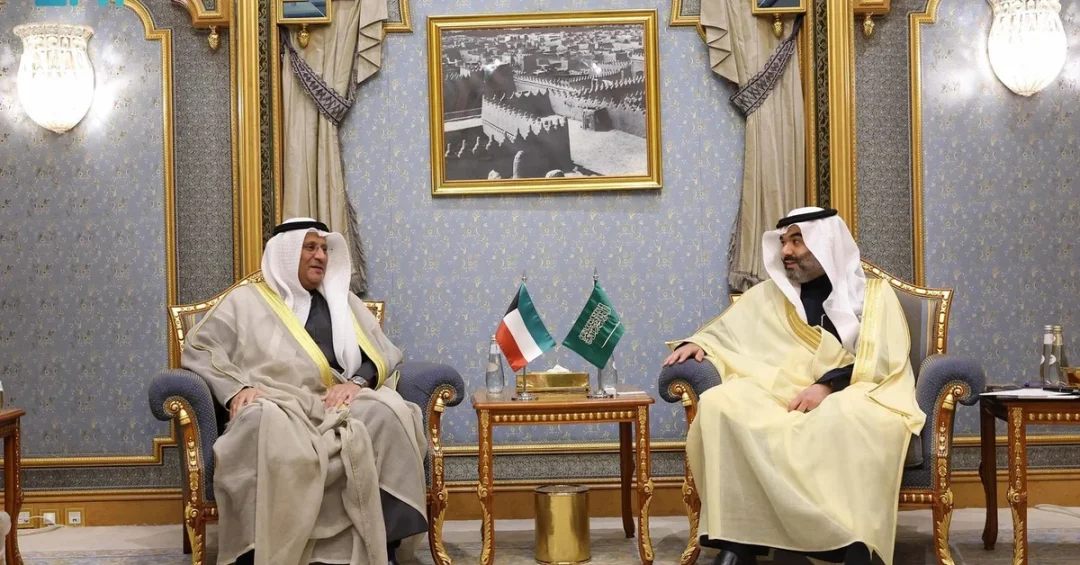
Saudi Arabia’s Minister of Communications and Information Technology, Eng. Abdullah Alswaha, held a series of high-level meetings in Riyadh on December 15, 2024, with Kuwaiti Minister of State for Communications Omar Alomar, along with top United Nations and International Telecommunication Union officials, to expand cooperation in digital infrastructure, artificial intelligence, and sustainable digital economic growth. The discussions underscore the Kingdom’s commitment to leveraging technology as a driver of regional collaboration and global development.
Context and Background
The meetings took place under the framework of the Saudi-Kuwaiti Coordination Council, reflecting the deep bilateral ties between the two Gulf nations. Minister Alswaha’s dialogue with Minister Alomar focused on empowering entrepreneurs and fostering innovation to achieve sustainable digital economic growth, aligning with Saudi Arabia’s Vision 2030 objectives and Kuwait’s own digital transformation goals. The talks come as the Kingdom continues to strengthen its role as a regional technology hub, with significant investments in AI, cloud computing, and digital entrepreneurship.
Key Details
In a separate meeting, Minister Alswaha conferred with Li Junhua, Under-Secretary-General for the United Nations Department of Economic and Social Affairs (DESA), to discuss partnerships in developing sustainable digital policies. The conversation emphasized enhancing digital inclusion through artificial intelligence and innovation, aiming to support global digital economic growth. Minister Alswaha also met with Doreen Martin, Secretary-General of the International Telecommunication Union (ITU), to explore expanding opportunities in global digital infrastructure and leveraging technological innovations for sustainable development. These engagements highlight Saudi Arabia’s proactive diplomacy in shaping international technology standards and policies.
Implications and Impact
The meetings carry significant regional and global implications. For the Middle East, the Saudi-Kuwaiti coordination reinforces a unified approach to digital transformation, potentially spurring cross-border tech startups and collaborative AI research. On the international stage, Saudi Arabia’s engagement with UN and ITU leaders positions the Kingdom as a key player in setting digital governance frameworks, particularly for AI ethics and digital inclusion. This aligns with broader global efforts to bridge the digital divide and ensure that emerging technologies serve humanity equitably.
Vision 2030 Alignment
These discussions are directly tied to Saudi Arabia’s Vision 2030 plan, which prioritizes digital innovation, economic diversification, and international partnerships. By fostering collaboration with neighboring Kuwait and global organizations like the UN and ITU, the Kingdom aims to accelerate its technology ecosystem, create high-skilled jobs, and enhance its competitiveness as a global investment destination. The outcomes of these meetings are expected to contribute to a more connected, inclusive, and sustainable digital future, reinforcing Saudi Arabia’s leadership in the Fourth Industrial Revolution.
20 Questions
Q1. Who led the Saudi delegation in the meetings?
A1. Minister of Communications and Information Technology Eng. Abdullah Alswaha led the Saudi delegation in the meetings.
Q2. Who was the Kuwaiti counterpart in the meeting?
A2. The Kuwaiti counterpart was Minister of State for Communications Omar Alomar.
Q3. What was the main focus of the Saudi-Kuwaiti meeting?
A3. The focus was on expanding partnership opportunities under the Saudi-Kuwaiti Coordination Council to empower entrepreneurs and foster innovation.
Q4. Which UN official did Minister Alswaha meet?
A4. He met with Li Junhua, Under-Secretary-General for the UN Department of Economic and Social Affairs (DESA).
Q5. What topics were discussed with the UN official?
A5. They discussed partnerships in sustainable digital policies and enhancing digital inclusion through artificial intelligence and innovation.
Q6. Who is the ITU Secretary-General?
A6. The ITU Secretary-General is Doreen Martin.
Q7. What was the outcome of the ITU meeting?
A7. They discussed expanding opportunities in global digital infrastructure and leveraging technological innovations for sustainable development.
Q8. When did these meetings take place?
A8. The meetings took place on December 15, 2024, in Riyadh.
Q9. What is the Saudi-Kuwaiti Coordination Council?
A9. It is a bilateral framework for enhancing cooperation between Saudi Arabia and Kuwait in various sectors, including technology.
Q10. How does this meeting support Vision 2030?
A10. It supports Vision 2030 by advancing digital innovation, economic diversification, and international partnerships in technology.
Q11. What is the role of the ITU in this context?
A11. The ITU coordinates global telecommunications standards and promotes digital infrastructure development worldwide.
Q12. What is DESA’s mandate?
A12. DESA promotes sustainable development through economic and social policies, including digital inclusion strategies.
Q13. What is digital inclusion?
A13. Digital inclusion ensures that all people have access to and can use digital technologies effectively and affordably.
Q14. How might entrepreneurs benefit from these talks?
A14. Entrepreneurs may gain access to new funding, cross-border collaboration opportunities, and innovation programs between Saudi Arabia and Kuwait.
Q15. What is sustainable digital economic growth?
A15. It refers to economic growth driven by digital technologies that is environmentally and socially sustainable over the long term.
Q16. Why is AI important in these discussions?
A16. AI is a key tool for innovation, automation, and solving complex challenges in industry, health, and governance.
Q17. What is the significance of Riyadh as a meeting venue?
A17. Riyadh is a growing global hub for technology and diplomacy, hosting international talks that shape digital policy.
Q18. How does this meeting affect regional cooperation?
A18. It strengthens Gulf cooperation in digital transformation, setting a precedent for joint initiatives in AI and infrastructure.
Q19. What are the next steps after these meetings?
A19. Next steps include drafting agreements on policy frameworks and launching joint pilot projects in digital infrastructure.
Q20. Where can readers find more official information?
A20. Official information is available from the Saudi Press Agency (SPA), the Ministry of Communications and Information Technology, and the ITU.
Reader Feedback
We value your thoughts. Please share your feedback on this article.
Your feedback helps us improve our coverage.