


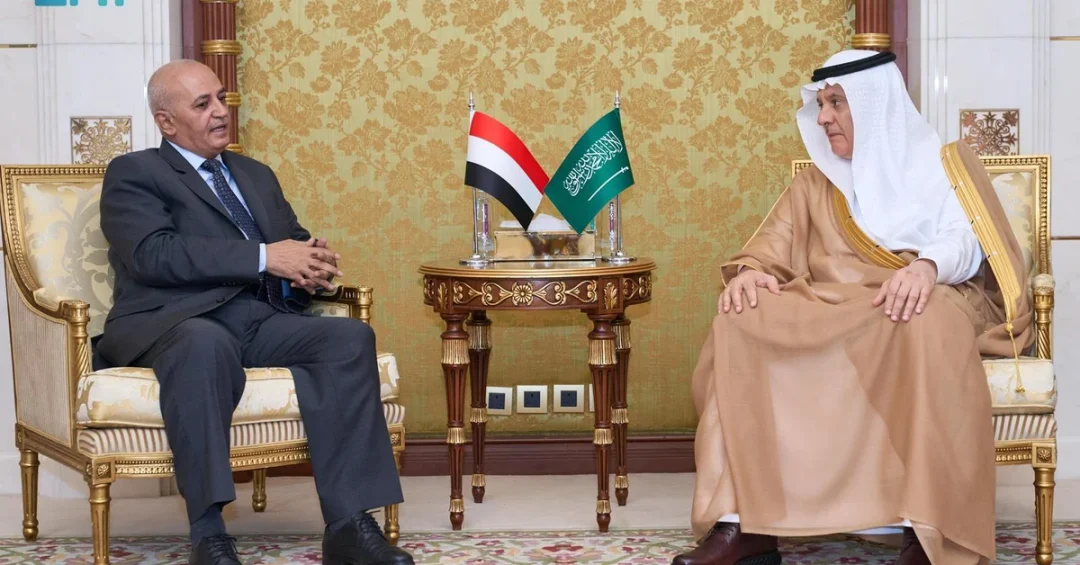
Jeddah, October 17, 2024 – Saudi Minister of Environment, Water, and Agriculture Eng. Abdulrahman bin Abdulmohsen Al-Fadley held a series of bilateral meetings with regional counterparts on the sidelines of the Green Middle East Initiative and the 35th session of the Council of Arab Ministers Responsible for Environmental Affairs, chaired by the Kingdom in Jeddah. The discussions focused on enhancing cooperation in environmental conservation, tackling shared challenges, and advancing sustainable development across the Arab world.
Context and Background
The meetings took place during a critical period as Saudi Arabia hosts key environmental dialogues, aligning with its commitment under Vision 2030 to promote regional stability and ecological stewardship. The 35th session of the Arab environmental council, chaired by the Kingdom, underscores Saudi leadership in coordinating collective action on pressing issues such as desertification, marine preservation, and climate resilience. These efforts build on the Kingdom’s broader initiatives, including the Saudi Green Initiative and the Middle East Green Initiative, which aim to reduce carbon emissions and restore natural habitats.
Key Details
Minister Al-Fadley met with Yemen’s Minister of Water and Environment, Eng. Tawfiq Al-Sharjabi, to explore cooperation on environmental conservation, particularly in marine environments, reflecting shared concerns over the Red Sea ecosystem. He also convened with Egypt’s Minister of Environment, Dr. Yasmine Fouad, to discuss collaboration across various environmental fields. In a separate meeting, the Minister engaged with Iraq’s Deputy Minister of Environment, Dr. Jassim Hammadi, focusing on joint efforts to combat sand and dust storms and desertification. Additionally, he met with Dr. Ziad bin Hamza Abu Ghararah, Secretary-General of the Regional Organization for the Conservation of the Environment of the Red Sea and Gulf of Aden (PERSGA), to review the organization’s activities and strengthen its regional role in preserving marine resources.
Implications and Impact
These discussions signal Saudi Arabia’s proactive role in fostering regional environmental cooperation, addressing challenges that transcend national borders, such as sandstorms and marine degradation. The partnership with Yemen highlights support for neighboring countries in sustainable water and ecosystem management. Collaboration with Egypt and Iraq reinforces a unified Arab approach to environmental protection, vital for food security, public health, and economic stability. The engagement with PERSGA further emphasizes Saudi commitment to safeguarding the Red Sea, a critical maritime corridor and biodiversity hotspot.
Vision 2030 Alignment
The meetings directly support Vision 2030 objectives, which prioritize environmental sustainability and regional leadership. By leading the Arab Council of Ministers Responsible for Environmental Affairs, Saudi Arabia demonstrates its capacity to drive multilateral action, aligning with goals to enhance quality of life, promote green growth, and achieve net-zero emissions by 2060. These efforts contribute to a sustainable future for coming generations, cementing the Kingdom’s role as a global environmental steward.
20 Questions
Q1. What was the main purpose of the meetings held by Minister Al-Fadley?
A1. The meetings aimed to explore and enhance cooperation between Saudi Arabia and several countries in environmental conservation and addressing regional challenges during the 35th session of the Arab Ministers Council.
Q2. Where did the meetings take place?
A2. The meetings took place on the sidelines of the Green Middle East Initiative and the 35th session of the Council of Arab Ministers Responsible for Environmental Affairs in Jeddah, Saudi Arabia.
Q3. Who chaired the 35th session of the Arab environmental council?
A3. The Kingdom of Saudi Arabia chaired the 35th session of the Council of Arab Ministers Responsible for Environmental Affairs, with Minister Al-Fadley leading the delegation.
Q4. Which countries did Minister Al-Fadley meet with?
A4. Minister Al-Fadley met with officials from Yemen, Egypt, and Iraq, as well as the Secretary-General of PERSGA.
Q5. What topics were discussed with Yemen’s minister?
A5. Discussions with Yemen’s Minister of Water and Environment focused on cooperation in environmental conservation, particularly in marine environments.
Q6. What was the focus of the meeting with Egypt’s minister?
A6. The meeting with Egypt’s Minister of Environment explored ways to strengthen cooperation in various environmental fields.
Q7. What issues were prioritized with Iraq’s deputy minister?
A7. Discussions prioritized collaboration on combating sand and dust storms and desertification.
Q8. Who attended from PERSGA?
A8. Dr. Ziad bin Hamza Abu Ghararah, Secretary-General of PERSGA, attended to discuss the organization’s regional role.
Q9. What is PERSGA’s role?
A9. PERSGA focuses on conserving the environment of the Red Sea and Gulf of Aden, including marine resources and biodiversity.
Q10. How does this align with Saudi Arabia’s environmental goals?
A10. The meetings support Vision 2030, which promotes sustainability and green initiatives to reduce emissions and restore ecosystems.
Q11. What is the Green Middle East Initiative?
A11. It is a regional initiative launched by Saudi Arabia to combat desertification and reduce carbon emissions, promoting environmental cooperation.
Q12. Why is the Red Sea important in these discussions?
A12. The Red Sea is a critical marine ecosystem and economic corridor, requiring joint preservation efforts for biodiversity and regional stability.
Q13. What challenges are being addressed through these collaborations?
A13. Key challenges include sandstorms, desertification, and marine environment degradation threatening food and water security.
Q14. How does Saudi Arabia contribute to regional environmental leadership?
A14. Saudi Arabia chairs the Arab environmental council, hosts key initiatives, and engages multilateral partners in finding sustainable solutions.
Q15. Did the meetings involve any new agreements?
A15. The discussions explored enhanced cooperation but no specific new agreements were announced during the reported meetings.
Q16. What is the long-term goal of these environmental efforts?
A16. The long-term goal is to achieve a better environmental future for upcoming generations in the region.
Q17. How do these meetings affect Saudi Arabia’s bilateral relations?
A17. They strengthen bilateral relations by fostering mutual understanding and joint action on shared environmental concerns.
Q18. Will these discussions lead to joint projects?
A18. They could lead to joint projects in areas such as combating desertification and marine conservation, pending further agreements.
Q19. What role does the Saudi Ministry of Environment play?
A19. The ministry oversees national environmental policies, water management, and agricultural sustainability, aligning with Vision 2030.
Q20. How can the public stay informed about these initiatives?
A20. The public can follow official announcements from the Saudi Press Agency and the Ministry of Environment, Water, and Agriculture.
Reader Feedback
We value your thoughts. Please share your feedback on this article.
Your feedback helps us improve our coverage.