


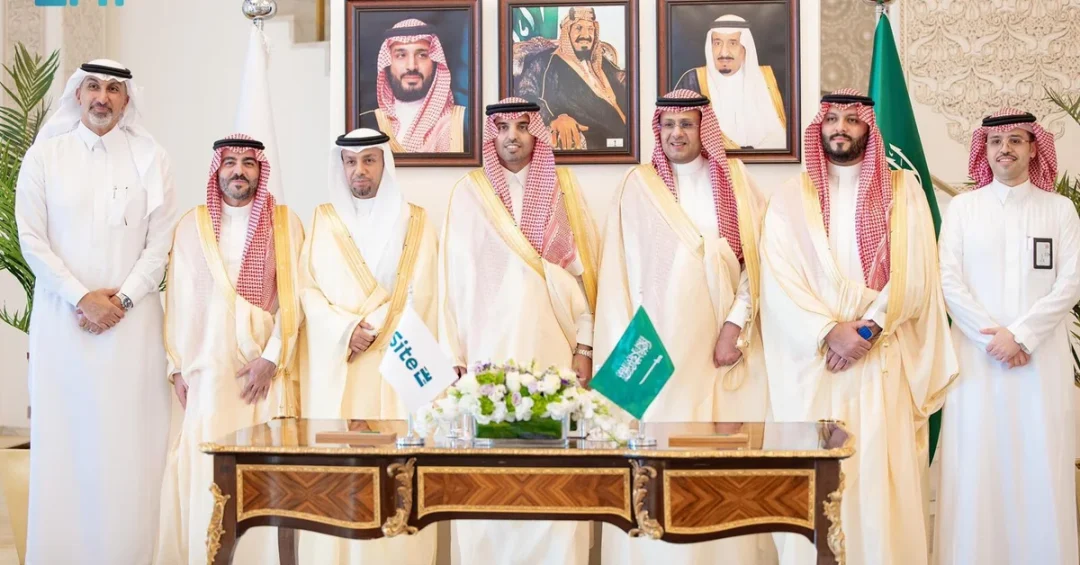
The Ministry of Foreign Affairs of Saudi Arabia has signed several strategic agreements with the Saudi Information Technology Company (SITE) to enhance cybersecurity within the ministry. The signing ceremony took place on Sunday at the Ministry’s headquarters in Riyadh, marking a significant step in fortifying the Kingdom’s diplomatic infrastructure against digital threats. Attended by key officials including Abdulhadi Al-Mansouri, Assistant Minister of Foreign Affairs for Executive Affairs, and Eng. Majed Al-Mazyad, Governor of the National Cybersecurity Authority (NCA), the event underscores Saudi Arabia’s commitment to robust cybersecurity measures.
Context and Background
This collaboration comes as the Kingdom of Saudi Arabia intensifies its efforts to secure national digital assets, a priority under the Vision 2030 framework that emphasizes digital transformation and economic diversification. The Ministry of Foreign Affairs, responsible for representing Saudi interests globally, requires resilient cybersecurity systems to safeguard sensitive diplomatic communications and data. The partnership with SITE, a prominent national leader in cybersecurity solutions, aligns with broader governmental initiatives to build a secure digital environment. The attendance of Eng. Majed Al-Mazyad reflects the NCA’s overarching supervision of national cybersecurity standards and strategies, ensuring that all sectors, including foreign affairs, meet robust security benchmarks.
Key Details of the Agreements
The event witnessed the signing of three contracts at the Ministry of Foreign Affairs in Riyadh, attended by Dr. Saad Al-Aboudi, CEO of SITE. These agreements outline a comprehensive framework for enhancing the ministry’s cybersecurity posture, likely incorporating advanced measures such as threat detection, incident response, and infrastructure protection. The Ministry of Foreign Affairs aims to enhance its cybersecurity system through collaboration with SITE, aligning with the Kingdom’s aspirations in this vital sector. While specific terms remain confidential, such agreements typically involve the integration of state-of-the-art technologies and continuous security assessments to adapt to evolving cyber threats.
Implications and Regional Impact
This initiative positions Saudi Arabia as a proactive leader in cybersecurity, particularly within the diplomatic sphere, setting a precedent for other nations in the Middle East and beyond. By fortifying its foreign ministry systems, the Kingdom ensures the integrity of its international engagements, trade negotiations, and consular services. The move also enhances trust among global partners, demonstrating that Saudi Arabia prioritizes data protection and cyber resilience in an increasingly digital world. As cyber threats become more sophisticated, such agreements contribute to regional stability by promoting best practices in digital governance and security cooperation.
20 Questions
Q1. What agreements were signed by the Ministry of Foreign Affairs?
A1. The Ministry of Foreign Affairs signed three strategic contracts with the Saudi Information Technology Company (SITE) to enhance cybersecurity within the ministry, focusing on digital protection and resilience.
Q2. Who participated in the signing ceremony?
A2. The signing was attended by Abdulhadi Al-Mansouri, Assistant Minister of Foreign Affairs, Eng. Majed Al-Mazyad, Governor of the National Cybersecurity Authority, and Dr. Saad Al-Aboudi, CEO of SITE.
Q3. Where and when did the signing take place?
A3. The signing ceremony took place on Sunday, October 14, 2024, at the Ministry of Foreign Affairs headquarters in Riyadh, Saudi Arabia.
Q4. What is the main goal of these agreements?
A4. The main goal is to enhance the Ministry of Foreign Affairs’ cybersecurity system, protecting sensitive diplomatic data and communications against cyber threats.
Q5. How does this relate to Vision 2030?
A5. Vision 2030 emphasizes digital transformation and security, and this agreement supports that by strengthening national cyber resilience within a key government ministry.
Q6. What is the role of the National Cybersecurity Authority in this?
A6. The NCA oversees national cybersecurity standards, ensuring that all government ministries meet robust security benchmarks, as demonstrated by the Governor’s attendance.
Q7. What is SITE?
A7. The Saudi Information Technology Company (SITE) is a national leader in cybersecurity solutions, providing advanced technologies to protect critical digital infrastructure.
Q8. How will this affect diplomatic operations?
A8. Enhanced cybersecurity will safeguard diplomatic communications and data, ensuring secure and trusted representation of Saudi Arabia in international engagements.
Q9. Is this the first such agreement in Saudi Arabia?
A9. No, it is part of broader government-wide cybersecurity initiatives, but it specifically targets the foreign ministry to ensure diplomatic security.
Q10. What types of cyber threats are addressed?
A10. The agreements likely address threats such as hacking, data breaches, and espionage, implementing measures like threat detection and incident response.
Q11. How does Saudi Arabia prioritize cybersecurity?
A11. Cybersecurity is a key priority under Vision 2030, with national frameworks led by the NCA to protect all sectors, including finance, energy, and diplomacy.
Q12. Who is Abdulhadi Al-Mansouri?
A12. Abdulhadi Al-Mansouri is the Assistant Minister of Foreign Affairs for Executive Affairs, overseeing operational aspects of the ministry, including security enhancements.
Q13. What is Eng. Majed Al-Mazyad’s role?
A13. Eng. Majed Al-Mazyad is the Governor of the National Cybersecurity Authority, responsible for setting national cybersecurity policies and standards.
Q14. What is Dr. Saad Al-Aboudi’s role?
A14. Dr. Saad Al-Aboudi is the CEO of SITE, which provides the cybersecurity solutions as part of this agreement with the Ministry of Foreign Affairs.
Q15. Why is cybersecurity important for the Foreign Ministry?
A15. The ministry handles sensitive diplomatic correspondence, international negotiations, and citizen services, making it a target for cyberattacks.
Q16. What are the three contracts about?
A16. While specifics are confidential, such contracts typically cover security assessments, threat monitoring, and infrastructure upgrades to ensure robust protection.
Q17. How does this benefit Saudi citizens?
A17. Secure foreign ministry systems ensure efficient consular services and protect citizens’ data when they engage with embassies and consulates abroad.
Q18. What is the regional impact of this agreement?
A18. It sets a precedent for cybersecurity in diplomatic circles, promoting best practices and stability in the Middle East regarding digital governance and security.
Q19. Will this collaboration continue in the future?
A19. Yes, such agreements often lead to ongoing partnerships, with continuous monitoring and updates to counter evolving cyber threats effectively.
Q20. How does this align with global standards?
A20. Saudi Arabia aligns with international cybersecurity frameworks, ensuring that its diplomatic networks meet global benchmarks for data protection and resilience.
Vision 2030 Alignment
This strategic agreement between the Ministry of Foreign Affairs and SITE directly supports the goals of Saudi Vision 2030, which seeks to create a vibrant society, a thriving economy, and an ambitious nation. By strengthening cybersecurity, the Kingdom not only protects its digital transformation initiatives but also builds international trust in its digital infrastructure. As Saudi Arabia continues to diversify its economy and expand global partnerships, such collaborations ensure that the diplomatic apparatus remains resilient and secure, enabling confident international engagement. This initiative exemplifies how the Kingdom’s leadership is fostering innovation and security across all sectors, paving the way for a prosperous, cyber-safe future under Vision 2030.
Reader Feedback
We value your thoughts. Please share your feedback on this article.
Your feedback helps us improve our coverage.