


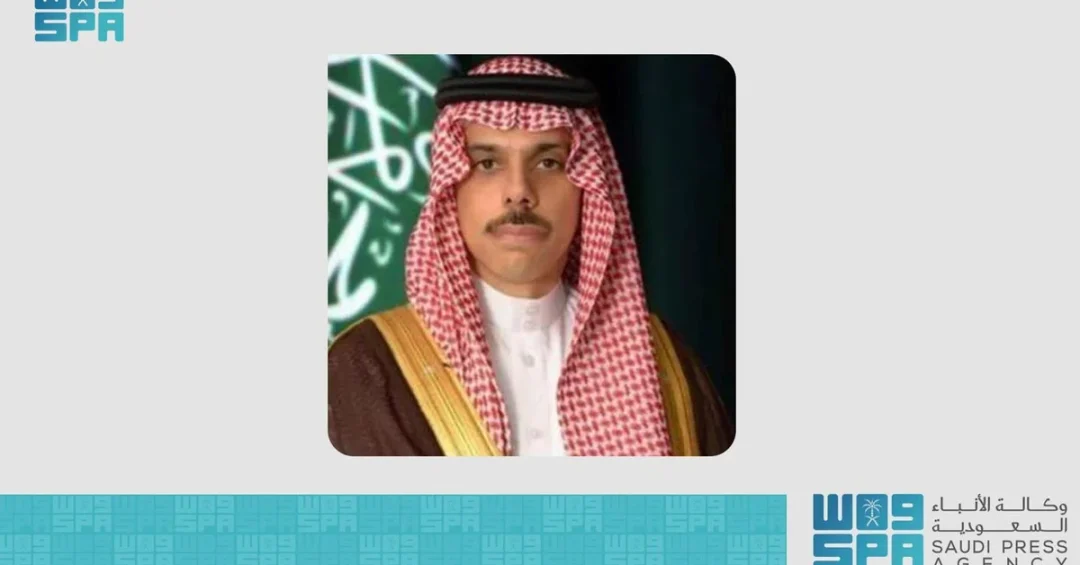
Saudi Minister of Foreign Affairs Prince Faisal bin Farhan bin Abdullah received a phone call on February 10, 2025, from Iranian Foreign Minister Abbas Araghchi, the Saudi Press Agency reported. The call focused on reviewing the latest regional developments and exploring efforts to address them, reflecting ongoing diplomatic engagement between the two countries.
Context and Background
The phone conversation comes amid a period of improved bilateral relations following the landmark Beijing-brokered agreement in March 2023, which restored diplomatic ties after a seven-year rift. Both nations have since exchanged ambassadors and taken steps to rebuild trust, with regular high-level communications becoming a cornerstone of the rapprochement. This latest call underscores a mutual commitment to dialogue and stability in the region, particularly as Gulf states seek to de-escalate tensions and foster cooperative security frameworks.
Key Details
During the call, the two ministers discussed a range of regional issues, though specific topics were not disclosed in the official readout. The conversation is part of a series of diplomatic exchanges aimed at reinforcing mutual understanding and coordinating on matters of shared concern. Prince Faisal bin Farhan, who has been Saudi Arabia’s top diplomat since 2019, has consistently emphasized the Kingdom’s policy of engagement and openness to constructive dialogue. Iran’s Foreign Minister Araghchi, a veteran diplomat, has similarly signaled Tehran’s interest in maintaining communication channels with Riyadh.
Implications and Impact
This high-level contact carries significant implications for regional stability. By maintaining direct lines of communication, Saudi Arabia and Iran can better manage differences and address flashpoints such as the situations in Yemen, Lebanon, and the broader Persian Gulf. The call also signals to international stakeholders that both capitals prioritize diplomacy over confrontation, which could positively influence global perceptions of Middle Eastern geopolitics. For Saudi Arabia, the engagement aligns with its Vision 2030 goal of a secure and prosperous region conducive to economic diversification and investment.
Vision 2030 Alignment
The phone call exemplifies Saudi Arabia’s proactive diplomacy under Vision 2030, which seeks to position the Kingdom as a hub for stability and dialogue. By fostering direct talks with regional partners, including Iran, Saudi Arabia aims to de-escalate conflicts and create an environment that supports its ambitious economic transformation. This approach not only enhances the Kingdom’s international standing but also contributes to a more peaceful region, enabling the realization of long-term development objectives outlined by Crown Prince Mohammed bin Salman.
20 Questions
Q1. Who initiated the phone call?
A1. According to the Saudi Press Agency, the call was received by Saudi Foreign Minister Prince Faisal bin Farhan from Iranian Foreign Minister Abbas Araghchi, indicating Iran initiated the contact.
Q2. When did the phone call take place?
A2. The call occurred on February 10, 2025, as reported by the Saudi Press Agency at 21:00 local time (18:00 GMT).
Q3. What is the official Saudi stance on such calls?
A3. Saudi Arabia views high-level diplomatic engagements as essential for regional stability and has consistently pursued dialogue to address shared challenges under its Vision 2030 framework.
Q4. What did the ministers discuss?
A4. They discussed the latest developments in the region and efforts to address them, though specific topics were not disclosed in the official statement.
Q5. How does this call relate to the 2023 China-brokered deal?
A5. This call builds on the rapprochement initiated by the 2023 Beijing agreement, which restored diplomatic relations and opened channels for ongoing communication between Riyadh and Tehran.
Q6. Who is Prince Faisal bin Farhan?
A6. Prince Faisal bin Farhan bin Abdullah is Saudi Arabia’s Minister of Foreign Affairs, appointed in 2019, known for his role in advancing the Kingdom’s diplomatic outreach under Vision 2030.
Q7. Who is Abbas Araghchi?
A7. Abbas Araghchi is the Iranian Minister of Foreign Affairs, a seasoned diplomat who has held various senior positions in Iran’s foreign policy apparatus.
Q8. Why is this call significant?
A8. It underscores the continued commitment of both nations to diplomatic engagement, which helps manage regional tensions and fosters a more stable security environment in the Gulf.
Q9. What role does Vision 2030 play in such diplomacy?
A9. Vision 2030 prioritizes a stable and peaceful region to attract investment and diversify the Saudi economy, making diplomatic outreach a key strategic tool.
Q10. How often do Saudi and Iranian foreign ministers communicate?
A10. While specific frequencies vary, such calls have become regular since the 2023 rapprochement, reflecting a normalized diplomatic channel between the two countries.
Q11. Could this call affect the situation in Yemen?
A11. Yes, direct Saudi-Iran dialogue could facilitate de-escalation in Yemen, where both sides have influence, supporting UN-led peace efforts.
Q12. Did the official statement mention any agreements?
A12. No, the Saudi Press Agency’s statement did not reference any new agreements or specific outcomes beyond discussing regional developments.
Q13. What is the international community’s view of such calls?
A13. The international community generally views Saudi-Iran diplomatic engagement positively, as it reduces the risk of conflict and supports broader Middle Eastern stability.
Q14. How does this call align with Saudi foreign policy?
A14. It aligns with Saudi Arabia’s proactive foreign policy of fostering dialogue and partnerships to address regional challenges, a core tenet of its global engagement.
Q15. What other issues might have been discussed?
A15. While not confirmed, topics could include maritime security, energy market stability, and humanitarian issues in conflict zones, given their shared interests.
Q16. Is there any planned meeting between the two ministers?
A16. The official statement did not announce any upcoming meetings, but such phone calls often precede in-person engagements.
Q17. How does the public in Saudi Arabia view these talks?
A17. The Saudi public, through official media, generally supports the government’s efforts to enhance regional stability and reduce tensions with neighboring countries.
Q18. What is the role of the Saudi Press Agency?
A18. The Saudi Press Agency (SPA) is the official state news agency responsible for disseminating news about government activities, including diplomatic communications.
Q19. Could this call impact Iran’s nuclear negotiations?
A19. While not directly, improved Saudi-Iran relations could create a more conducive atmosphere for broader diplomatic efforts, including nuclear talks.
Q20. What is the key takeaway from this call?
A20. The key takeaway is that Saudi Arabia and Iran remain committed to dialogue, prioritizing communication to manage differences and contribute to regional peace.
Reader Feedback
We value your thoughts. Please share your feedback on this article.
Your feedback helps us improve our coverage.