


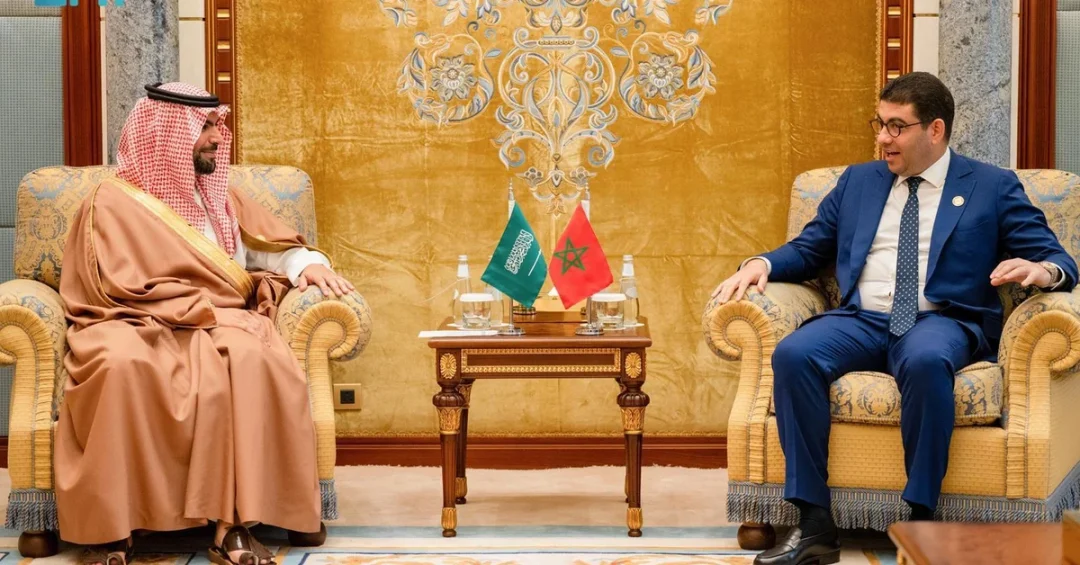
Saudi Minister of Culture Prince Badr bin Abdullah bin Farhan met with Moroccan Minister of Youth, Culture, and Communication Mohamed Mehdi Bensaid in Jeddah on Wednesday, February 12, 2025, on the sidelines of the 13th Conference of Culture Ministers in the Islamic World. The meeting, hosted by the Kingdom of Saudi Arabia, focused on deepening cultural ties and exploring new avenues for cooperation between the two brotherly countries, particularly in traditional crafts and arts.
Context and Background
The discussions built upon a memorandum of understanding (MoU) signed in October 2024 between the Saudi Royal Institute of Traditional Arts and the Moroccan Academy of Traditional Arts. This agreement has laid the groundwork for enhanced collaboration in preserving and promoting traditional artistic heritage, which is a key pillar of cultural exchange under Vision 2030. The conference itself, bringing together culture ministers from across the Islamic world, underscores Saudi Arabia’s leadership in fostering intercultural dialogue.
Key Details
During the meeting, Prince Badr and Minister Bensaid reviewed ongoing cooperation through mutual participation in cultural events and activities held in both kingdoms. The talks emphasized the importance of traditional crafts as a means of preserving national identity while also promoting economic opportunities for artisans. The Saudi Royal Institute of Traditional Arts has been instrumental in training new generations of craftspeople, aligning with Saudi Arabia’s goal of diversifying the economy through cultural industries.
International Impact
The strengthening of Saudi-Moroccan cultural relations reflects a broader trend of enhanced cooperation within the Islamic world. By hosting major cultural gatherings like the Conference of Culture Ministers, Saudi Arabia positions itself as a hub for cultural diplomacy. The exchange of expertise in traditional arts not only benefits both nations but also sets an example for other countries seeking to preserve intangible heritage while adapting to modern economic frameworks.
Vision 2030 Alignment
This meeting directly supports Vision 2030 objectives by promoting cultural exchange as a driver of economic diversification and soft power. The focus on traditional arts and crafts contributes to the preservation of Saudi heritage while creating jobs and fostering innovation in cultural sectors. As Saudi Arabia continues to open its doors to international collaboration, such diplomatic engagements solidify its role as a global cultural leader, paving the way for a vibrant society and a thriving economy.
20 Questions
Q1. Who met with the Moroccan Minister of Culture in Jeddah?
A1. Saudi Minister of Culture Prince Badr bin Abdullah bin Farhan met with Moroccan Minister of Youth, Culture, and Communication Mohamed Mehdi Bensaid.
Q2. When did the meeting take place?
A2. The meeting occurred on Wednesday, February 12, 2025, during the 13th Conference of Culture Ministers in the Islamic World.
Q3. Where was the meeting held?
A3. The meeting was held in Jeddah, Kingdom of Saudi Arabia, which is hosting the conference.
Q4. What was the main focus of the meeting?
A4. The meeting addressed areas of cultural cooperation and exchange, particularly in traditional crafts and arts.
Q5. What prior agreement was referenced during the meeting?
A5. A memorandum of understanding (MoU) signed in October 2024 between the Saudi Royal Institute of Traditional Arts and the Moroccan Academy of Traditional Arts.
Q6. How does this meeting support Saudi Arabia’s Vision 2030?
A6. It promotes cultural exchange, economic diversification through traditional crafts, and strengthens Saudi Arabia’s role as a global cultural leader.
Q7. What is the Saudi Royal Institute of Traditional Arts?
A7. It is a Saudi institution dedicated to preserving and promoting traditional arts, training new generations of artisans.
Q8. What is the Moroccan Academy of Traditional Arts?
A8. It is a Moroccan institution focused on preserving and teaching traditional artistic crafts and heritage.
Q9. What event brought the two ministers together?
A9. The 13th Conference of Culture Ministers in the Islamic World, hosted by Saudi Arabia.
Q10. How many culture ministers attended the conference?
A10. The official Saudi Press Agency report did not specify the exact number, but it included ministers from across the Islamic world.
Q11. What type of cultural activities were discussed?
A11. The ministers discussed ongoing cooperation through participation in events and activities held in both countries.
Q12. Why are traditional crafts important in this context?
A12. They preserve national identity and provide economic opportunities for artisans, aligning with economic diversification goals.
Q13. Is this the first meeting between Saudi and Moroccan culture officials?
A13. No, the meeting followed prior cooperation including the MoU signed in October 2024.
Q14. What role does Saudi Arabia play in Islamic world cultural diplomacy?
A14. Saudi Arabia positions itself as a hub for cultural diplomacy by hosting major gatherings like this conference.
Q15. How does the conference benefit Saudi-Moroccan relations?
A15. It provides a platform for direct dialogue and reinforces the strong bonds between the two brotherly countries.
Q16. What is the significance of the conference name?
A16. It highlights cultural cooperation among Islamic world nations, fostering mutual understanding and heritage preservation.
Q17. Who reported on this meeting?
A17. The Saudi Press Agency (SPA) reported the meeting as an official news release.
Q18. What other sectors might benefit from this cultural cooperation?
A18. Beyond traditional arts, cooperation could extend to other cultural sectors such as literature, music, and film.
Q19. How can traditional arts contribute to Vision 2030?
A19. By creating jobs, boosting tourism, and preserving heritage, they support a vibrant society and diversified economy.
Q20. What is the expected outcome of this meeting?
A20. Enhanced cultural exchange and practical collaboration in traditional crafts, strengthening bilateral ties and cultural industries.
Reader Feedback
We value your thoughts. Please share your feedback on this article.
Your feedback helps us improve our coverage.