


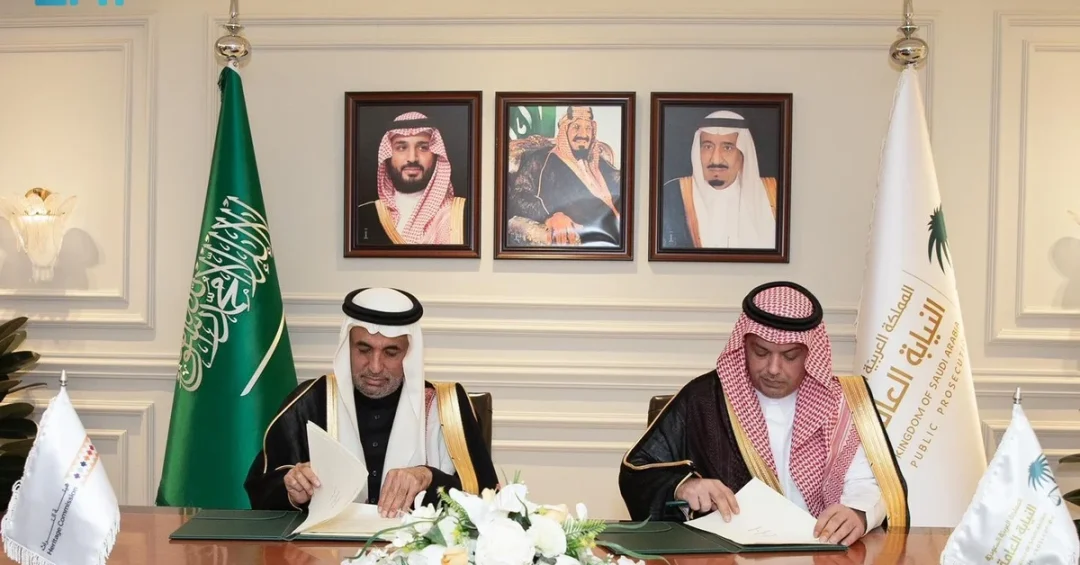
The Public Prosecution and the Heritage Commission of Saudi Arabia signed a memorandum of understanding in Riyadh on January 8, 2025, to strengthen cooperation in protecting the Kingdom’s national heritage and preserving its national identity. The agreement establishes a formal framework for collaboration between the two entities, reflecting Saudi Arabia’s commitment to safeguarding its rich cultural legacy.
Context and Background
The MoU was signed during a ceremony attended by senior officials from both the Public Prosecution and the Heritage Commission, as reported by the Saudi Press Agency. This partnership comes as part of broader efforts under Saudi Vision 2030 to promote cultural heritage as a cornerstone of national identity and economic diversification. The agreement builds on existing initiatives to protect archaeological sites and historical assets from violations and illegal activities, underscoring the Kingdom’s proactive approach to heritage conservation.
Key Details
Under the terms of the MoU, the Public Prosecution and the Heritage Commission will exchange information related to national heritage protection, jointly combat violations at archaeological sites, and organize awareness programs for the public. These programs aim to educate communities about the importance of preserving heritage and the legal penalties for offenses such as vandalism, unauthorized excavation, or trafficking of antiquities. The collaboration streamlines communication between law enforcement and heritage authorities, ensuring a more effective response to threats against cultural assets. Both entities bring specialized expertise: the Public Prosecution provides legal enforcement capabilities, while the Heritage Commission offers technical knowledge of site management and conservation practices.
Implications and Impact
This partnership enhances Saudi Arabia’s global standing as a destination for cultural heritage tourism, a key objective of Vision 2030. By strengthening legal protections for archaeological sites, the Kingdom aligns with international standards for heritage preservation, which may attract increased investment and visitor interest. Regionally, the initiative sets a precedent for interagency cooperation in cultural protection, potentially influencing neighboring countries. Domestically, the awareness programs will foster a sense of collective responsibility among citizens and residents, reinforcing the value of Saudi heritage in social identity and sustainable development.
Vision 2030 Alignment
The MoU directly supports Saudi Vision 2030’s goals of diversifying the economy through cultural tourism and preserving national heritage for future generations. By integrating legal safeguards with public education, the agreement positions the Kingdom as a leader in heritage protection, contributing to its ambition to become a top global cultural destination. This strategic cooperation between the Public Prosecution and Heritage Commission exemplifies how institutional collaboration can advance long-term national objectives, ensuring that Saudi Arabia’s historical assets remain protected and celebrated as part of its modern transformation.
20 Questions
Q1. What is the main purpose of the memorandum of understanding signed between the Public Prosecution and the Heritage Commission?
A1. The main purpose is to enhance collaboration in protecting national heritage and preserving Saudi Arabia’s national identity through information sharing, combating violations, and public awareness programs.
Q2. When and where was the MoU signed?
A2. The MoU was signed in Riyadh on January 8, 2025, as reported by the Saudi Press Agency, with senior officials from both entities in attendance.
Q3. Which two Saudi entities are involved in this partnership?
A3. The two entities are the Public Prosecution, responsible for legal enforcement, and the Heritage Commission, which oversees heritage site management and conservation.
Q4. How does this MoU contribute to protecting archaeological sites?
A4. It enables joint efforts to combat violations at archaeological sites, such as vandalism or unauthorized excavation, through coordinated legal and technical actions.
Q5. What types of information will be exchanged under the MoU?
A5. The entities will exchange information related to national heritage protection, including data on threats, violations, and best practices for site preservation.
Q6. Will the public be involved in heritage protection under this agreement?
A6. Yes, the MoU includes organizing awareness programs to educate the community about the importance of preserving heritage and the penalties for related offenses.
Q7. What are the penalties for heritage-related offenses in Saudi Arabia?
A7. Penalties may include fines, imprisonment, or other legal consequences for acts such as vandalism, illegal excavation, or trafficking of antiquities, as defined by Saudi law.
Q8. How does this partnership align with Saudi Vision 2030?
A8. It supports Vision 2030 by promoting cultural heritage tourism, diversifying the economy, and preserving national identity for future generations.
Q9. What is the Heritage Commission’s role in Saudi Arabia?
A9. The Heritage Commission is responsible for managing, protecting, and promoting Saudi Arabia’s cultural heritage, including archaeological sites, museums, and traditional crafts.
Q10. What is the Public Prosecution’s role in this partnership?
A10. The Public Prosecution provides legal expertise and enforcement capabilities to ensure compliance with laws protecting heritage sites and prosecute violations effectively.
Q11. How will this MoU improve Saudi Arabia’s global standing?
A11. By strengthening heritage protections, the Kingdom enhances its reputation as a cultural tourism destination and aligns with international preservation standards, attracting global interest.
Q12. Are there specific awareness programs planned under the MoU?
A12. The MoU calls for organizing awareness programs, but specific details about dates or formats will be developed jointly by the Public Prosecution and Heritage Commission.
Q13. How does this agreement combat trafficking of antiquities?
A13. The MoU facilitates information sharing and coordinated enforcement efforts to prevent illegal trade of cultural artifacts, a key aspect of heritage protection.
Q14. What regional impact might this partnership have?
A14. It sets a precedent for interagency cooperation in heritage preservation, potentially influencing neighboring countries to adopt similar collaborative frameworks.
Q15. How does the MoU support sustainable development in Saudi Arabia?
A15. By protecting cultural heritage, the agreement promotes sustainable tourism and community engagement, which contribute to long-term economic and social development goals.
Q16. Will the MoU affect foreign tourists visiting Saudi Arabia?
A16. Yes, enhanced heritage protections improve the visitor experience at archaeological sites, making the Kingdom more attractive to international tourists seeking cultural experiences.
Q17. What is the legal basis for heritage protection in Saudi Arabia?
A17. Heritage protection is governed by Saudi laws and regulations that define offenses, penalties, and enforcement mechanisms, which the MoU aims to strengthen through collaboration.
Q18. How will the partnership be monitored for effectiveness?
A18. The MoU establishes a framework for ongoing cooperation, likely with regular reviews and joint assessments to ensure objectives are met, though specific monitoring details are not disclosed.
Q19. Can citizens report heritage violations under this agreement?
A19. Awareness programs will educate citizens on reporting mechanisms, encouraging public participation in protecting heritage sites through official channels.
Q20. What is the long-term vision for this partnership?
A20. The partnership aims to establish a comprehensive framework for heritage protection that supports Vision 2030’s goals, ensuring Saudi Arabia’s cultural assets are preserved for future generations.
Reader Feedback
We value your thoughts. Please share your feedback on this article.
Your feedback helps us improve our coverage.