


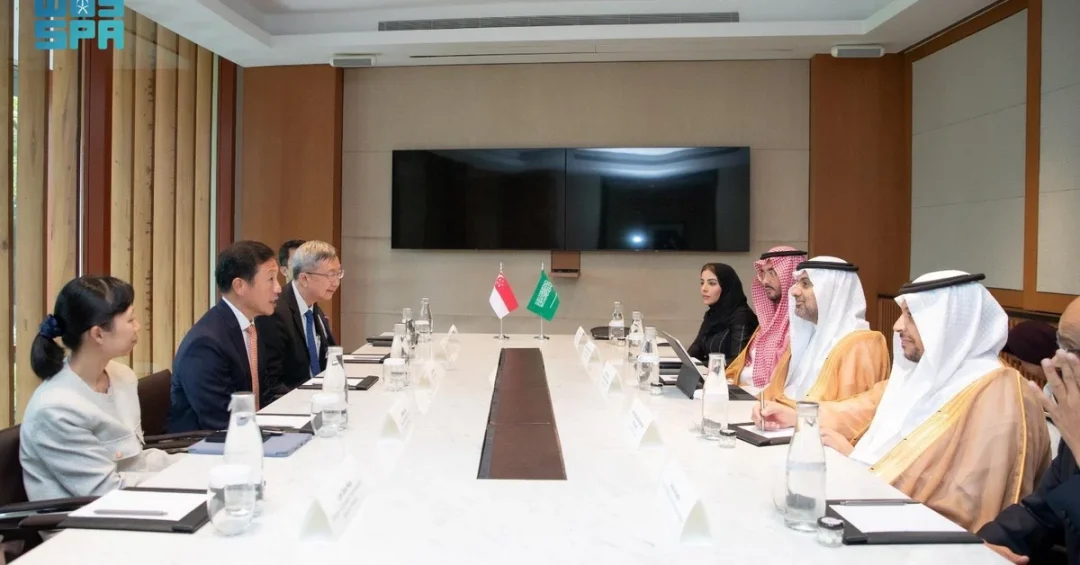
Saudi Arabia’s Minister of Health, Fahad Al-Jalajel, met with Singapore’s Minister of Health, Ong Ye Kung, in Singapore on November 28, 2024, to strengthen bilateral cooperation in the healthcare sector. The official visit, reported by the Saudi Press Agency, focused on exploring opportunities for collaboration in innovative healthcare delivery models and leveraging digital solutions to address global health challenges.
Context and Background
The meeting underscores the deepening ties between the Kingdom of Saudi Arabia and Singapore, two nations committed to advancing their healthcare systems. This visit aligns with Saudi Arabia’s Vision 2030, which prioritizes the development of a world-class healthcare infrastructure. Singapore, recognized for its high-quality and accessible healthcare system and an average life expectancy of 84 years, serves as a valuable partner in this transformation.
Key Details
Discussions centered on joint efforts in vaccine development and localization, ensuring secure vaccine supply chains, and utilizing smart health initiatives. These initiatives include deploying artificial intelligence, big data analytics, and robotic healthcare solutions to improve service quality. Both ministers also exchanged strategies for developing the healthcare workforce, encompassing medical professionals, researchers, and developers. Additionally, they highlighted the Jeddah Declaration, a landmark outcome from the fourth Global High-Level Ministerial Conference on Antimicrobial Resistance hosted by Saudi Arabia earlier in November, which fosters international collaboration using the One Health approach and the Health in All Policies (HIAP) framework.
Implications and Impact
The meeting culminated in the signing of a memorandum of understanding to enhance cooperation in the health sector. This agreement aims to drive investment and innovation, strengthen healthcare supply chains, and develop specialized education and training programs for healthcare professionals. Minister Al-Jalajel also visited Singapore’s Health Promotion Board and the Agency for Integrated Care to study their best practices, signaling a commitment to adopting proven models for preventive and integrated care.
20 Questions
Q1. Who met with Singapore’s Minister of Health in November 2024?
A1. Saudi Arabia’s Minister of Health, Fahad Al-Jalajel, met with Singapore’s Minister of Health, Ong Ye Kung, in Singapore to discuss bilateral healthcare cooperation.
Q2. What was the main purpose of the meeting between the two health ministers?
A2. The meeting aimed to strengthen relations in the healthcare sector by exploring opportunities for collaboration in innovative delivery models and digital solutions.
Q3. Which digital solutions were discussed under smart health initiatives?
A3. The ministers discussed deploying artificial intelligence, big data analytics, and robotic healthcare solutions to improve service quality and address global health challenges.
Q4. What is the Jeddah Declaration mentioned in the discussions?
A4. The Jeddah Declaration is a landmark agreement from the fourth Global High-Level Ministerial Conference on Antimicrobial Resistance, hosted by Saudi Arabia, fostering international collaboration.
Q5. How does this meeting align with Saudi Arabia’s Vision 2030?
A5. The meeting aligns with Vision 2030 by prioritizing the development of an advanced healthcare system through innovation, investment, and international partnerships.
Q6. What is the One Health approach highlighted in the discussions?
A6. The One Health approach integrates human, animal, and environmental health to achieve sustainable outcomes in addressing health challenges like antimicrobial resistance.
Q7. What did Minister Al-Jalajel commend about Singapore’s healthcare system?
A7. He commended Singapore’s commitment to enhancing health and well-being, noting its globally renowned system for quality and accessibility, with an average life expectancy of 84 years.
Q8. What was the key outcome signed at the conclusion of the meeting?
A8. Both sides signed a memorandum of understanding to enhance cooperation in the health sector, focusing on investment, innovation, and workforce development.
Q9. What areas does the memorandum of understanding cover?
A9. The MoU covers driving investment and innovation, strengthening healthcare supply chains, and developing specialized education and training programs for healthcare professionals.
Q10. Which Singaporean agencies did Minister Al-Jalajel visit?
A10. He visited Singapore’s Health Promotion Board and the Agency for Integrated Care to study their best practices for preventive and integrated care.
Q11. What is the Health in All Policies (HIAP) framework?
A11. The HIAP framework integrates health considerations into all public policies to achieve sustainable outcomes, as discussed in the context of the Jeddah Declaration.
Q12. How does Saudi Arabia aim to establish an advanced healthcare system?
A12. Saudi Arabia aims to adopt cutting-edge healthcare models, foster innovation, and implement smart health systems based on international best practices.
Q13. What role does Singapore play in Saudi Arabia’s healthcare transformation?
A13. Singapore serves as a key partner, offering its globally recognized expertise in healthcare quality, accessibility, and innovative delivery models.
Q14. What is the significance of vaccine localization in the discussions?
A14. Vaccine localization ensures secure supply chains and reduces dependency on external sources, strengthening public health preparedness and response capabilities.
Q15. How does the meeting address global health challenges?
A15. The meeting addressed challenges like antimicrobial resistance through initiatives such as the Jeddah Declaration and collaboration on vaccine development and digital health solutions.
Q16. What is the average life expectancy in Singapore mentioned by Minister Al-Jalajel?
A16. Minister Al-Jalajel highlighted Singapore’s success in achieving an average life expectancy of 84 years, reflecting its high-quality healthcare system.
Q17. What types of smart health initiatives were discussed?
A17. Smart health initiatives discussed include using artificial intelligence, big data analytics, and robotic solutions to improve healthcare service quality and efficiency.
Q18. How does the meeting support workforce development in healthcare?
A18. The meeting included strategies for developing medical professionals, researchers, and developers through specialized education and training programs under the MoU.
Q19. What was the focus of the fourth Global High-Level Ministerial Conference on Antimicrobial Resistance?
A19. The conference, hosted by Saudi Arabia, focused on adopting the One Health approach and the HIAP framework to combat antimicrobial resistance sustainably.
Q20. How does the partnership between Saudi Arabia and Singapore benefit global health?
A20. The partnership unlocks new opportunities for investment and innovation, strengthens healthcare supply chains, and supports joint efforts to address global health challenges effectively.
Vision 2030 Alignment
This agreement directly supports Saudi Arabia’s Vision 2030 goal of creating a vibrant society with a world-class healthcare system. By partnering with Singapore, the Kingdom is not only enhancing its own healthcare capabilities but also positioning itself as a global leader in health innovation and international collaboration, contributing to a healthier future for all.
Reader Feedback
We value your thoughts. Please share your feedback on this article.
Your feedback helps us improve our coverage.