


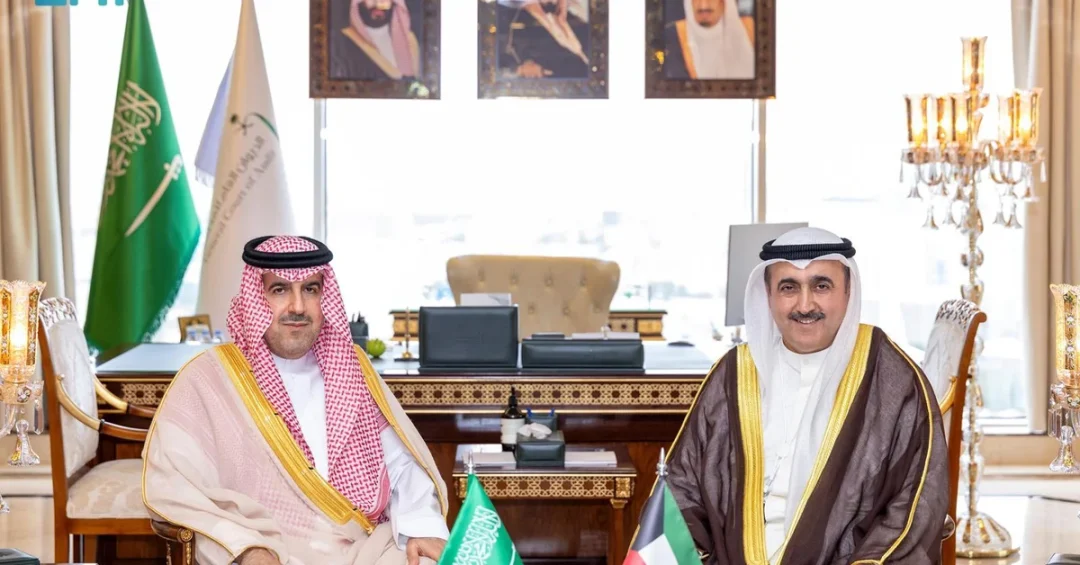
Riyadh, November 28, 2024 – President of the General Court of Audit (GCA) and Chairman of the Arab Organization for Supreme Audit Institutions (ARABOSAI), Dr. Hussam bin Abdulmohsen Alangari, hosted high-level meetings with his counterparts from Oman, Kuwait, and Mauritania on the sidelines of the 68th Governing Board meeting of ARABOSAI, which concluded today at the GCA headquarters in Riyadh. The event, chaired by Saudi Arabia, brought together heads of audit institutions from across the Arab world to discuss enhanced collaboration and professional development.
Context and Background
The 68th Governing Board meeting of ARABOSAI represents a key platform for Arab audit authorities to address emerging challenges in public financial oversight. Saudi Arabia’s chairmanship underscores the Kingdom’s growing leadership role in promoting transparency and accountability within the region and globally, aligning with its broader strategic priorities under Vision 2030. The meetings, held in Riyadh, further highlight the Kingdom’s commitment to fostering regional dialogue and knowledge exchange.
Key Details
Dr. Alangari met individually with Sheikh Ghuson bin Hilal Al-Alawi, Chairman of the State Audit Institution of Oman; Essam Salem Al-Roumi, Chairman of the Kuwaiti State Audit Bureau; and Hamid Ahmed Taleb, President of the Court of Accounts of Mauritania. Discussions centered on exploring avenues for cooperation in accounting, auditing, and professional development. The talks also addressed methods to facilitate the exchange of expertise among Arab audit institutions within the frameworks of the International Organization of Supreme Audit Institutions (INTOSAI) and ARABOSAI, aiming to enhance operational efficiency and achieve strategic objectives.
Implications and Impact
These engagements strengthen regional ties and promote shared standards in public sector auditing. The collaboration between Saudi Arabia, Oman, Kuwait, and Mauritania is expected to lead to more robust oversight mechanisms, fostering trust in public financial management. By leveraging INTOSAI and ARABOSAI frameworks, the partnership will help Arab institutions modernize their practices, benefiting from Saudi Arabia’s advanced audit methodologies and technological innovations.
Vision 2030 Alignment
This series of meetings directly supports Saudi Arabia’s Vision 2030 goals of enhancing government efficiency, transparency, and accountability. By championing regional cooperation in supreme audit institutions, the Kingdom is positioning itself as a leader in governance reform, contributing to a more resilient and integrated Arab economic landscape. The outcomes of these discussions will help accelerate the modernization of audit practices across the region, reinforcing the Kingdom’s role as a hub for institutional excellence and sustainable development.
20 Questions
Q1. What was the purpose of the meetings in Riyadh on November 28, 2024?
A1. The meetings aimed to enhance cooperation in accounting, auditing, and professional development among Arab audit institutions, hosted on the sidelines of the 68th ARABOSAI Governing Board meeting chaired by Saudi Arabia.
Q2. Who hosted the meetings with counterparts from Oman, Kuwait, and Mauritania?
A2. Dr. Hussam bin Abdulmohsen Alangari, President of the General Court of Audit (GCA) and Chairman of ARABOSAI, hosted the meetings at the GCA headquarters in Riyadh.
Q3. Which institutions were represented by the visiting counterparts?
A3. The State Audit Institution of Oman, the Kuwaiti State Audit Bureau, and the Court of Accounts of Mauritania were represented by their respective heads.
Q4. What is ARABOSAI?
A4. ARABOSAI stands for the Arab Organization for Supreme Audit Institutions, a regional body that promotes cooperation and best practices among audit institutions in Arab countries.
Q5. What role does Saudi Arabia play in ARABOSAI?
A5. Saudi Arabia currently serves as the chair of ARABOSAI, with Dr. Hussam bin Abdulmohsen Alangari as its Chairman, leading the organization’s strategic direction and initiatives.
Q6. What organizations provide frameworks for the discussions?
A6. The discussions were guided by the frameworks of the International Organization of Supreme Audit Institutions (INTOSAI) and ARABOSAI, which set global and regional standards for public auditing.
Q7. How does this meeting support Vision 2030?
A7. The meeting enhances government efficiency, transparency, and accountability, key pillars of Vision 2030, by fostering regional cooperation and modernizing audit practices.
Q8. Who is the Chairman of the State Audit Institution of Oman?
A8. Sheikh Ghuson bin Hilal Al-Alawi is the Chairman of the State Audit Institution of Oman, representing his country in the meetings.
Q9. Who is the Chairman of the Kuwaiti State Audit Bureau?
A9. Essam Salem Al-Roumi serves as the Chairman of the Kuwaiti State Audit Bureau and participated in the discussions in Riyadh.
Q10. Who represented Mauritania in the meetings?
A10. Hamid Ahmed Taleb, President of the Court of Accounts of Mauritania, represented his country during the discussions with Dr. Alangari.
Q11. What was the focus of the discussions regarding professional development?
A11. The talks focused on exploring avenues for cooperation in accounting, auditing, and professional development to improve the skills and practices of audit professionals.
Q12. How will the exchange of expertise benefit Arab audit institutions?
A12. The exchange of expertise will help Arab audit institutions modernize their methodologies, adopt best practices, and enhance their overall effectiveness in public financial oversight.
Q13. What is the significance of Saudi Arabia chairing the ARABOSAI meeting?
A13. Saudi Arabia’s chairmanship reinforces its leadership in promoting transparency and accountability in the region, aligning with its Vision 2030 goals for institutional excellence.
Q14. How many governing board meetings has ARABOSAI held as of 2024?
A14. The 68th Governing Board meeting of ARABOSAI concluded in Riyadh, marking nearly seven decades of regional cooperation among supreme audit institutions.
Q15. What is the role of the General Court of Audit in Saudi Arabia?
A15. The General Court of Audit (GCA) is Saudi Arabia’s supreme audit institution, responsible for ensuring financial accountability and transparency in public sector operations.
Q16. Did the meetings include any other Arab countries beyond Oman, Kuwait, and Mauritania?
A16. The meetings specifically involved heads from Oman, Kuwait, and Mauritania, but the broader ARABOSAI gathering included participation from heads of other member institutions.
Q17. What strategic objectives does ARABOSAI seek to achieve?
A17. ARABOSAI aims to improve operational efficiency, enhance cooperation among members, and promote professional standards in public auditing across the Arab world.
Q18. How does INTOSAI relate to ARABOSAI?
A18. INTOSAI is the global umbrella organization for supreme audit institutions, and ARABOSAI operates as its regional branch, aligning its activities with INTOSAI’s professional standards.
Q19. Will there be follow-up actions after these meetings?
A19. The discussions are expected to lead to enhanced collaboration and coordination between ARABOSAI’s presidency and general secretariat, improving the organization’s operational efficiency.
Q20. How does this event affect Saudi Arabia’s international reputation?
A20. The event strengthens Saudi Arabia’s reputation as a leader in governance and regional cooperation, demonstrating its commitment to transparency and institutional excellence on the global stage.
Reader Feedback
We value your thoughts. Please share your feedback on this article.
Your feedback helps us improve our coverage.