


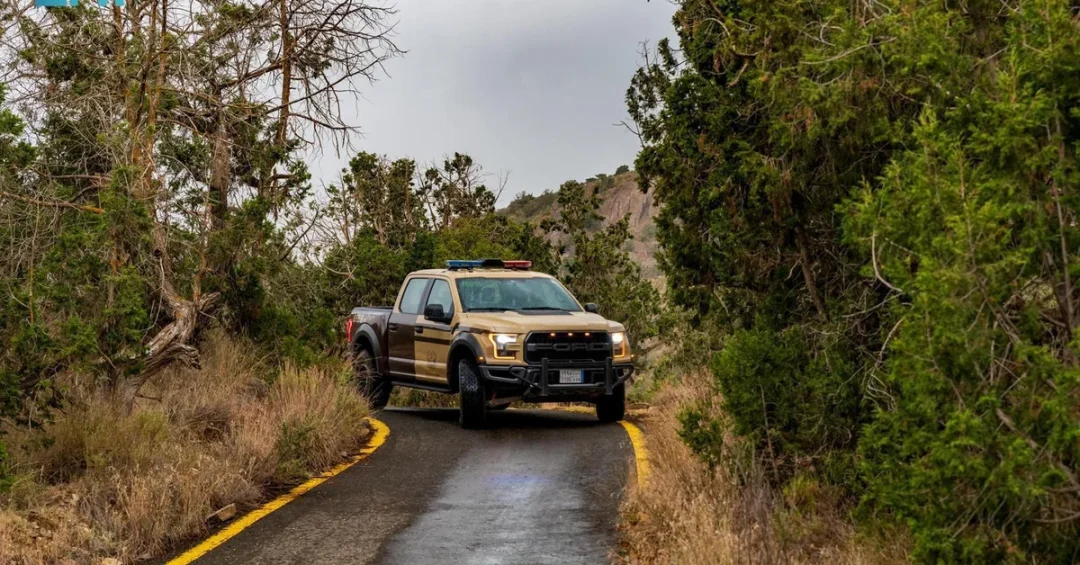
The Saudi Special Forces for Environmental Security have apprehended two citizens for poaching in the King Abdulaziz Royal Reserve. The arrest, announced on August 26, 2024, via the Saudi Press Agency, highlights ongoing enforcement efforts to protect the Kingdom’s natural heritage. The individuals were found in illegal possession of a shotgun, an air rifle, ammunition, and nine trapped sandgrouse, a bird species protected under Saudi environmental laws.
Context and Background
The King Abdulaziz Royal Reserve is one of several protected areas established under Saudi Arabia’s broader environmental conservation strategy. These reserves are part of the Kingdom’s commitment to preserving biodiversity and promoting sustainable tourism, aligning with the goals of Vision 2030. The Special Forces for Environmental Security, operating under the Ministry of Interior, are tasked with enforcing regulations that prohibit hunting without proper licensing and during restricted seasons.
Key Details
The apprehended individuals now face legal proceedings for multiple violations. Fines for such offenses are substantial: SAR100,000 for hunting with a shotgun without a license, SAR80,000 for using a firearm without a license, SAR10,000 for hunting without any license, SAR5,000 for hunting during prohibited times, and SAR1,000 specifically for hunting sandgrouse. The authorities confiscated the weapons and trapped birds as evidence. The Special Forces urged citizens and residents to report environmental violations via designated emergency numbers: 911 in Makkah, Riyadh, and the Eastern Region, or 999 and 996 in other areas.
Implications and Impact
This enforcement action underscores Saudi Arabia’s strict commitment to environmental rule of law, deterring illegal activities that threaten wildlife and ecosystems. By publicizing such arrests, the authorities send a clear message that poaching will not be tolerated. This strengthens the Kingdom’s international reputation as a responsible steward of natural resources, which is vital for eco-tourism and conservation partnerships.
Vision 2030 Alignment
Saudi Arabia’s Vision 2030 places a high priority on environmental sustainability and the preservation of natural habitats. The work of the Special Forces for Environmental Security directly supports these goals by safeguarding biodiversity within royal reserves and protected areas. As the Kingdom transforms its economy and society, robust enforcement of environmental regulations ensures that future generations can benefit from a healthy and vibrant natural landscape, reinforcing Saudi Arabia’s leadership in regional conservation efforts.
20 Questions
Q1. What is the Special Forces for Environmental Security?
A1. They are a specialized unit under Saudi Arabia’s Ministry of Interior responsible for enforcing environmental laws, protecting wildlife, and preventing poaching and illegal hunting in the Kingdom.
Q2. What did the Special Forces find with the poachers?
A2. The poachers were found in possession of a shotgun, an air rifle, ammunition, and nine trapped sandgrouse, which are protected birds in Saudi Arabia.
Q3. Where did the arrest take place?
A3. The arrest occurred in the King Abdulaziz Royal Reserve, a protected natural area in Saudi Arabia designated for conservation and biodiversity.
Q4. When was this incident reported?
A4. The Saudi Press Agency reported the arrest on August 26, 2024, based on an official statement from the Special Forces for Environmental Security.
Q5. Why is hunting without a license illegal in Saudi Arabia?
A5. Hunting without a license disrupts wildlife populations and ecosystems. Licensing ensures sustainable practices and aligns with environmental protection goals under Vision 2030.
Q6. What are the fines for hunting with a shotgun without a license?
A6. The fine is SAR100,000, which is among the highest penalties to deter illegal hunting activities and protect wildlife.
Q7. What is the penalty for hunting with a firearm without a license?
A7. The penalty is a fine of SAR80,000, reflecting the serious nature of using firearms for poaching.
Q8. What is the fine for hunting without any license?
A8. The fine is SAR10,000, applicable to anyone caught hunting wild animals without the required permit.
Q9. Are there fines for hunting during prohibited seasons?
A9. Yes, hunting during prohibited seasons or times carries a fine of SAR5,000 to protect breeding and migration patterns.
Q10. What is the fine for hunting sandgrouse specifically?
A10. The fine is SAR1,000 for each sandgrouse hunted, totaling SAR9,000 in this case for nine birds.
Q11. How can the public report environmental violations?
A11. Citizens can call 911 in Makkah, Riyadh, and the Eastern Region, or 999 and 996 in other regions to report violations.
Q12. What is the King Abdulaziz Royal Reserve?
A12. It is a protected area established to preserve biodiversity, support eco-tourism, and align with Saudi Arabia’s Vision 2030 environmental goals.
Q13. What species are protected in Saudi reserves?
A13. Species like sandgrouse, Arabian oryx, and various migratory birds are protected under Saudi environmental regulations.
Q14. How does this arrest support Vision 2030?
A14. It reinforces environmental sustainability by deterring poaching, protecting natural habitats, and promoting responsible stewardship of resources.
Q15. What is the role of the Saudi Press Agency in this report?
A15. The Saudi Press Agency is the official state news source, providing accurate and timely information on government actions like these arrests.
Q16. Are there similar enforcement actions in other reserves?
A16. Yes, the Special Forces patrol all royal reserves and protected areas across the Kingdom to ensure compliance with environmental laws.
Q17. What happens to confiscated weapons and animals?
A17. Confiscated weapons are held as evidence, and trapped animals are typically released back into the wild or cared for by authorities.
Q18. Why is sandgrouse hunting specifically penalized?
A18. Sandgrouse are a vulnerable species in the region, and their protection is crucial for maintaining ecological balance in arid environments.
Q19. How does this incident affect international perception?
A19. It showcases Saudi Arabia’s commitment to environmental rule of law, boosting its reputation as a leader in conservation and sustainable development.
Q20. What is the long-term goal of these enforcement measures?
A20. The goal is to create a sustainable ecosystem that supports biodiversity, eco-tourism, and future generations, in line with Vision 2030’s environmental pillars.
Reader Feedback
We value your thoughts. Please share your feedback on this article.
Your feedback helps us improve our coverage.