


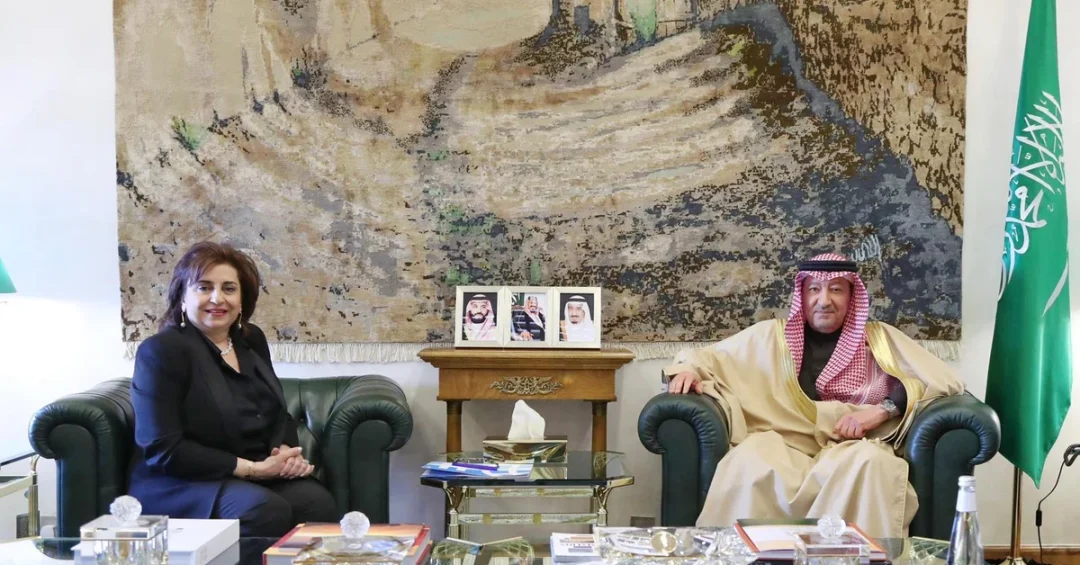
Saudi Vice Foreign Minister Eng. Waleed bin Abdulkarim El-Khereiji met with UN Women Executive Director Sima Sami Bahous at the Ministry’s headquarters in Riyadh on January 23, 2025, to discuss ongoing efforts to empower women and youth in the Kingdom and explore areas of mutual cooperation. The meeting, reported by the Saudi Press Agency, underscores Saudi Arabia’s commitment to advancing gender equality and youth development as part of its broader transformation under Vision 2030.
Context and Background
This high-level discussion comes as Saudi Arabia accelerates its social and economic reforms under Vision 2030, which prioritizes women’s empowerment as a key driver of national progress. Since 2016, the Kingdom has made historic strides, including granting women the right to drive, increasing female workforce participation to over 35%, and appointing women to leadership roles across government and business. The meeting with UN Women, a global body dedicated to gender equality, signals Riyadh’s intent to align its domestic policies with international best practices while showcasing its leadership in the region.
Key Details of the Meeting
During the meeting, Vice Foreign Minister El-Khereiji and Executive Director Bahous reviewed specific initiatives aimed at expanding opportunities for women and youth in fields such as education, employment, and entrepreneurship. They also discussed shared priorities, including combating gender-based discrimination and promoting women’s participation in decision-making. The meeting was attended by Dr. Haya AlMagwashi, Executive Assistant to the Family Affairs Council, highlighting the institutional support for these efforts within the Saudi government. Both sides emphasized the importance of sustained collaboration to achieve measurable outcomes.
International and Regional Implications
The engagement between Saudi Arabia and UN Women reflects broader diplomatic efforts to position the Kingdom as a global partner on social development. As a key member of the G20 and a regional power, Saudi Arabia’s progress in women’s empowerment serves as a model for other nations in the Middle East. The meeting also reinforces the Kingdom’s commitment to the United Nations Sustainable Development Goals, particularly Goal 5 on gender equality. By hosting UN Women’s leadership, Saudi Arabia demonstrates its openness to international dialogue and its willingness to share its reform experiences with the world.
Vision 2030 Alignment
The meeting aligns directly with Saudi Arabia’s Vision 2030, which aims to build a vibrant society where all citizens, including women and youth, can thrive. By strengthening partnerships with organizations like UN Women, the Kingdom is advancing its goals of increasing female labor force participation, enhancing youth education and training, and fostering a culture of innovation. This forward-looking approach positions Saudi Arabia as a leader in human capital development, contributing to its long-term economic diversification and global standing as a hub for progress and opportunity.
20 Questions
Q1. Who met with UN Women Executive Director in Riyadh in January 2025?
A1. Saudi Vice Foreign Minister Eng. Waleed bin Abdulkarim El-Khereiji met with UN Women Executive Director Sima Sami Bahous at the Ministry’s headquarters in Riyadh.
Q2. What was the main focus of the meeting?
A2. The meeting focused on reviewing efforts to empower women and youth across various fields and discussing topics of mutual interest between Saudi Arabia and UN Women.
Q3. When did this meeting take place?
A3. The meeting occurred on January 23, 2025, as reported by the Saudi Press Agency.
Q4. Who else attended the meeting from the Saudi side?
A4. Dr. Haya AlMagwashi, Executive Assistant to the Family Affairs Council, attended the meeting alongside Vice Foreign Minister El-Khereiji.
Q5. What is UN Women’s role in global affairs?
A5. UN Women is the United Nations entity dedicated to gender equality and the empowerment of women, working globally to advance women’s rights and participation.
Q6. How does this meeting support Saudi Vision 2030?
A6. It supports Vision 2030 by promoting women’s empowerment and youth development, which are key pillars of the Kingdom’s social and economic transformation.
Q7. What progress has Saudi Arabia made in women’s empowerment recently?
A7. Saudi Arabia has increased female workforce participation to over 35%, granted women the right to drive, and appointed women to senior government and business roles since 2016.
Q8. Why is the meeting with UN Women significant?
A8. It signals Saudi Arabia’s commitment to global gender equality standards and its role as a regional leader in women’s empowerment and international cooperation.
Q9. What topics were discussed during the meeting?
A9. Topics included initiatives for women and youth in education, employment, and entrepreneurship, as well as combating discrimination and promoting decision-making roles.
Q10. How does this meeting align with the UN Sustainable Development Goals?
A10. It aligns with SDG Goal 5 on gender equality, reflecting Saudi Arabia’s efforts to contribute to global development targets through domestic reforms.
Q11. What is the Saudi Family Affairs Council?
A11. The Family Affairs Council is a Saudi government body that supports family and social development, including women’s and youth empowerment initiatives.
Q12. Has Saudi Arabia hosted other UN Women events?
A12. Saudi Arabia has engaged with UN Women in various forums, including the G20 and regional conferences, to share its reform experiences and collaborate on gender equality.
Q13. What is the role of Vice Foreign Minister El-Khereiji?
A13. Eng. Waleed bin Abdulkarim El-Khereiji is Saudi Arabia’s Vice Foreign Minister, responsible for diplomatic engagements and international cooperation, including on social issues.
A14. Sima Sami Bahous is the Executive Director of UN Women, leading the organization’s global efforts to promote gender equality and empower women worldwide.
Q15. How might this meeting affect Saudi relations with international organizations?
A15. It strengthens Saudi Arabia’s reputation as a proactive partner with international bodies like the UN, enhancing its diplomatic ties and influence on global social policies.
Q16. What sectors could benefit from the collaboration discussed?
A16. Sectors like education, technology, and entrepreneurship could benefit from joint initiatives that expand opportunities for women and youth in the Kingdom.
Q17. Is this meeting part of a series of diplomatic events?
A17. Yes, it is part of ongoing Saudi diplomatic efforts to engage with global leaders and organizations on issues of mutual interest, including social development.
Q18. How does women’s empowerment help the Saudi economy?
A18. Empowering women increases labor force participation, boosts economic productivity, and supports Vision 2030’s goal of diversifying the economy beyond oil.
Q19. What is the public reaction to such meetings in Saudi Arabia?
A19. Public reaction is typically positive, as these meetings highlight Saudi Arabia’s reforms and global engagement, reinforcing national pride in the Kingdom’s progress.
Q20. What are the next steps after this meeting?
A20. Following the meeting, Saudi Arabia and UN Women may develop joint programs or initiatives to further women’s and youth empowerment, with progress to be reviewed in future engagements.
Reader Feedback
We value your thoughts. Please share your feedback on this article.
Your feedback helps us improve our coverage.