


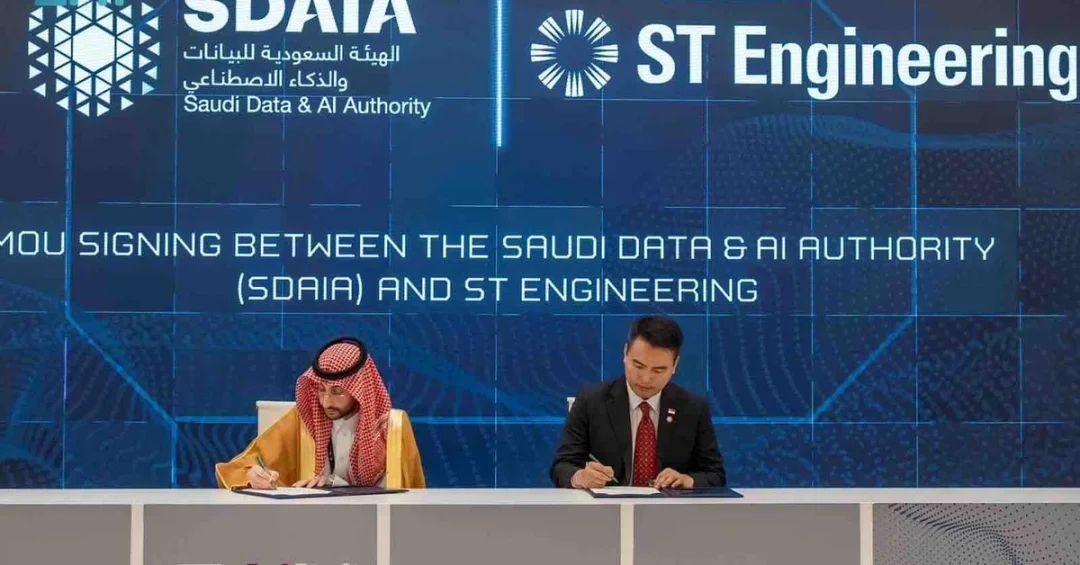
The Saudi Data and Artificial Intelligence Authority (SDAIA) has signed a Memorandum of Understanding (MoU) with global technology and engineering leader ST Engineering to explore collaboration in smart traffic management, aiming to enhance road safety and improve the quality of life across Saudi cities through artificial intelligence (AI) solutions. The agreement, announced on September 11, 2024, by the Saudi Press Agency (SPA), marks a significant step in advancing the Kingdom’s digital transformation of urban infrastructure.
Context and Background
SDAIA, the national authority overseeing data and AI in Saudi Arabia, plays a central role in supporting the digital transformation of smart cities across the Kingdom. The partnership with ST Engineering, which has a proven global track record in intelligent transportation systems, builds on ongoing efforts to integrate AI technologies into urban planning and traffic management. This initiative aligns with Saudi Arabia’s broader push to modernize city services and infrastructure as part of Vision 2030.
Key Details of the Partnership
The MoU focuses on knowledge exchange and collaborative development of AI-driven solutions specifically for smart traffic management. Key areas include optimizing traffic flow, reducing congestion, and improving road safety using advanced data analytics and machine learning. SDAIA has been working with multiple government entities on related AI projects, and this agreement expands those efforts by leveraging ST Engineering’s expertise in smart city technologies.
Impact on Saudi Cities and International Recognition
The partnership is expected to accelerate the transformation of Saudi cities into smarter, safer, and more efficient urban centers. These efforts have already contributed to a notable rise in the Smart City Index 2024, issued by the International Institute for Management Development (IMD), where five Saudi cities improved their rankings compared to the 2023 report. This international recognition underscores the Kingdom’s leadership in adopting AI for urban development and enhancing livability for residents and visitors.
Vision 2030 Alignment
This collaboration between SDAIA and ST Engineering directly supports Vision 2030’s goals of diversifying the economy, improving quality of life, and building world-class infrastructure. By harnessing AI and data to make cities smarter and safer, Saudi Arabia continues to demonstrate its commitment to becoming a global hub for innovation and sustainable urban development, paving the way for a more connected and prosperous future.
20 Questions
Q1. What is the main purpose of the MoU between SDAIA and ST Engineering?
A1. The MoU aims to explore collaboration and knowledge exchange in smart traffic management, using AI solutions to enhance road safety and improve the quality of life in Saudi cities.
Q2. When was the MoU signed?
A2. The MoU was announced on September 11, 2024, as reported by the Saudi Press Agency (SPA).
Q3. What is SDAIA?
A3. SDAIA is the Saudi Data and Artificial Intelligence Authority, the national body overseeing data and AI initiatives in Saudi Arabia to support digital transformation.
Q4. Who is ST Engineering?
A4. ST Engineering is a global technology and engineering company with expertise in smart city solutions, including intelligent transportation systems.
Q5. What specific area does the partnership focus on?
A5. The partnership focuses on smart traffic management, including optimizing traffic flow and reducing congestion using AI technologies.
Q6. How does this partnership benefit road safety?
A6. By developing AI-driven solutions, the partnership aims to analyze traffic patterns and reduce accidents, making roads safer for all users.
Q7. What is the goal regarding quality of life?
A7. The initiative aims to improve urban living by creating more efficient and safer transportation systems, enhancing daily commutes and overall city experience.
Q8. How does this initiative align with Saudi Arabia’s digital transformation?
A8. It supports the Kingdom’s push to integrate AI into city infrastructure, modernizing urban services and making cities smarter through data-driven solutions.
Q9. What other government entities is SDAIA working with?
A9. SDAIA collaborates with several government entities to launch AI-related projects and initiatives for smart cities, though specific partners were not named in the announcement.
Q10. How did Saudi cities perform in the Smart City Index 2024?
A10. Five Saudi cities improved their rankings in the Smart City Index 2024, issued by the IMD, compared to the 2023 report, reflecting progress in smart city development.
Q11. What is the Smart City Index?
A11. The Smart City Index is an annual ranking by the International Institute for Management Development (IMD) that evaluates cities on technology, infrastructure, and quality of life.
Q12. What role does AI play in traffic management?
A12. AI analyzes real-time traffic data, predicts congestion, and optimizes signal timings to improve traffic flow and reduce delays in cities.
Q13. Is this partnership limited to traffic management?
A13. The MoU specifically targets smart traffic management, but it opens doors for broader collaboration in AI-driven urban solutions in the future.
Q14. How does this MoU support Vision 2030?
A14. It supports Vision 2030 by improving infrastructure and quality of life, which are key pillars of the Kingdom’s economic and social transformation plan.
Q15. Why is knowledge exchange important in this partnership?
A15. Knowledge exchange allows SDAIA to leverage ST Engineering’s global expertise while sharing local insights, ensuring solutions are tailored to Saudi cities’ needs.
Q16. What is the expected timeline for implementation?
A16. The announcement did not specify a timeline, but the MoU initiates collaborative planning and pilot projects, with results expected over the coming months.
Q17. How will the partnership affect traffic congestion?
A17. By deploying AI-driven systems, the partnership aims to reduce congestion through better traffic predictions and adaptive signal control on key roads.
Q18. Will this initiative involve other smart city aspects?
A18. The primary focus is traffic management, but improved data systems could potentially support other smart city areas like public transport and emergency response.
Q19. How does this collaboration boost Saudi Arabia’s global standing?
A19. It demonstrates the Kingdom’s commitment to innovation and smart city development, enhancing its reputation as a leader in adopting advanced technologies.
Q20. Can other cities benefit from this partnership?
A20. While focused on Saudi cities, any successful AI traffic solutions developed could serve as models for smart city initiatives in the broader region.
Reader Feedback
We value your thoughts. Please share your feedback on this article.
Your feedback helps us improve our coverage.