


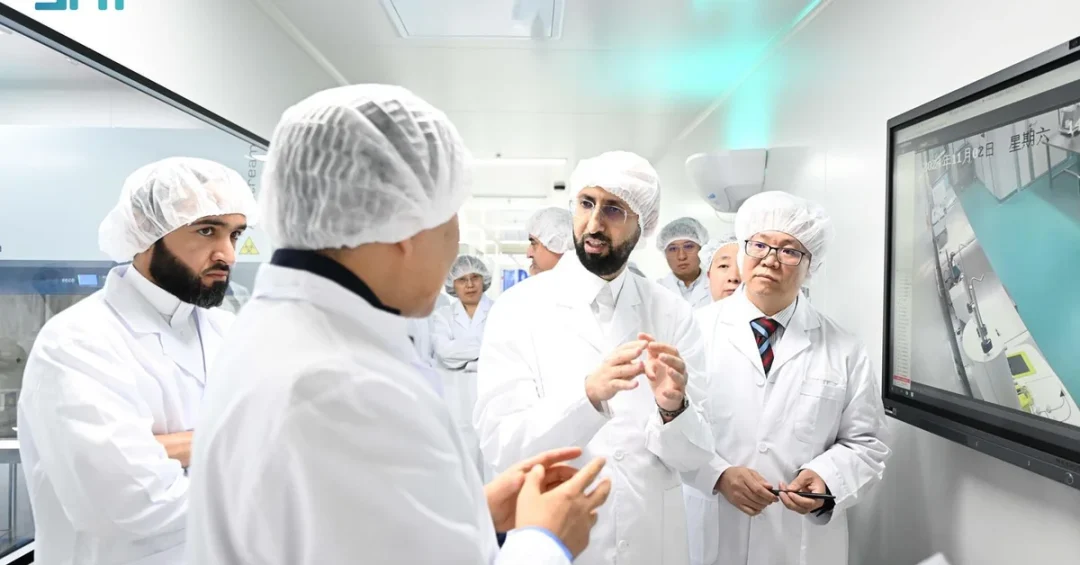
SFDA CEO Dr. Hisham Aljadhey visited a manufacturing facility in Tianjin, China, on November 2, 2024, to observe advanced technologies used in the production of biological and genetic medicines. The visit, part of an official trip to China, underscores the Saudi Food and Drug Authority’s commitment to enhancing the quality and safety of imported pharmaceuticals and fostering international collaboration in healthcare innovation.
Context and Background
This engagement comes as Saudi Arabia accelerates its healthcare transformation under Vision 2030, aiming to elevate the standard of medical services and biopharmaceutical manufacturing. The SFDA has been actively seeking global partnerships to integrate cutting-edge technologies into the Kingdom’s regulatory frameworks and healthcare infrastructure. Dr. Aljadhey’s tour of the Tianjin factory highlights the strategic importance of learning from international leaders in biological and genetic medicine production.
Key Details
During the visit, Dr. Aljadhey was briefed on state-of-the-art manufacturing processes for biological and genetic drugs, including cell culture techniques and quality control systems. He also toured the Institute of Hematology & Blood Diseases Hospital, a facility with 1,000 beds equipped with advanced laboratories and the latest medical technologies. Hospital officials presented ongoing clinical trials and the application of genetic medicines in cancer therapy, showcasing personalized treatment regimens based on genetic profiles. The SFDA CEO expressed keen interest in these innovations, which are directly relevant to improving therapeutic options in Saudi Arabia.
International Impact
The visit reinforces Saudi Arabia’s role as a proactive participant in global health diplomacy. By engaging with leading Chinese medical institutions, the SFDA aims to strengthen bilateral cooperation in healthcare, particularly in the fields of genetic medicine and biological drug production. This collaboration supports the exchange of expertise and the adoption of best practices, which can benefit patients both in Saudi Arabia and internationally. Dr. Aljadhey is also set to lead the Saudi delegation to the 8th Shenzhen Food Safety Forum from November 5-6, further expanding the Kingdom’s cooperative footprint in China.
Vision 2030 Alignment
This initiative directly supports Saudi Arabia’s Vision 2030 goals of achieving a vibrant society with world-class healthcare, enhancing the quality of life, and positioning the Kingdom as a hub for medical innovation. By ensuring the import of safe and effective biological and genetic medicines, the SFDA contributes to elevating healthcare standards and building a robust, knowledge-based economy. The forward-looking engagement with China exemplifies Saudi Arabia’s commitment to leveraging global expertise to serve its citizens and advance its long-term strategic objectives.
20 Questions
Q1. What is the primary purpose of Dr. Hisham Aljadhey’s visit to China?
A1. The primary purpose is to observe advanced technologies used in manufacturing biological and genetic medicines, aiming to improve the quality and safety of imported pharmaceuticals for Saudi Arabia.
Q2. Which Saudi agency does Dr. Hisham Aljadhey lead?
A2. Dr. Hisham Aljadhey is the CEO of the Saudi Food and Drug Authority (SFDA), the regulatory body overseeing food, drugs, and medical devices in the Kingdom.
Q3. Where in China did Dr. Aljadhey visit a factory for biological and genetic medicines?
A3. He visited a factory in Tianjin, China, where he was briefed on advanced manufacturing technologies for biological and genetic drugs.
Q4. What other medical facility did Dr. Aljadhey tour in Tianjin?
A4. He also visited the Institute of Hematology & Blood Diseases Hospital, a facility renowned for its treatment of blood disorders and genetic medicine research.
Q5. How many beds does the Institute of Hematology & Blood Diseases Hospital have?
A5. The hospital has a capacity of 1,000 beds, equipped with the latest technologies and advanced laboratories for research and clinical studies.
Q6. What type of clinical trials was Dr. Aljadhey told about at the hospital?
A6. He was informed about ongoing clinical trials and the application of genetic medicines in cancer therapy, including personalized treatment regimens.
Q7. How does this visit relate to Saudi Arabia’s healthcare goals?
A7. The visit aims to improve the quality and safety of imported medicines, reflecting the SFDA’s commitment to raising healthcare standards in Saudi Arabia.
Q8. What is the broader aim of the SFDA’s international cooperation?
A8. The broader aim is to strengthen global collaboration and share expertise in the health sector, ultimately benefiting the Saudi community.
Q9. What other event will Dr. Aljadhey attend in China?
A9. He will lead the Saudi delegation to the 8th Shenzhen Food Safety Forum, scheduled for November 5-6, 2024.
Q10. Why is the visit to the Tianjin factory significant for Saudi medicine?
A10. It allows the SFDA to learn about cutting-edge manufacturing processes that can enhance the quality of biological and genetic medicines imported into the Kingdom.
Q11. What types of technologies are being manufactured at the Tianjin factory?
A11. The factory produces biological and genetic medicines using advanced manufacturing technologies, including cell culture and quality control systems.
Q12. How does the visit support Vision 2030?
A12. It supports Vision 2030 by improving healthcare standards, fostering innovation, and building a knowledge-based economy through international partnerships.
Q13. What is the role of the Institute of Hematology in medical innovation?
A13. The hospital develops novel treatments and personalized therapeutic regimens based on genetic medicine for cancer and blood diseases.
Q14. How does the SFDA ensure the safety of imported medicines?
A14. By observing global best practices, such as those in China, and adopting advanced regulatory frameworks to verify the quality and safety of medicines.
Q15. What is the significance of genetic medicines in cancer therapy?
A15. Genetic medicines provide targeted and personalized treatments, offering effective solutions to treat cancer and various blood diseases.
Q16. How does this visit promote Saudi-China relations?
A16. It strengthens bilateral cooperation in healthcare and pharmaceuticals, fostering mutual learning and economic ties between the two countries.
Q17. What is the SFDA’s commitment regarding therapeutic techniques?
A17. The SFDA is committed to improving the quality of therapeutic techniques used in Saudi Arabia for the benefit of the community.
Q18. Who is leading the Saudi delegation to the Shenzhen Food Safety Forum?
A18. Dr. Hisham Aljadhey will lead the Saudi delegation to the forum, highlighting the Kingdom’s engagement in global food safety discussions.
Q19. What is the main takeaway from Dr. Aljadhey’s visit to the hospital?
A19. The hospital’s advanced research in genetic medicine and clinical trials demonstrates successful models that could inform Saudi healthcare improvements.
Q20. How does the SFDA’s work impact community health in Saudi Arabia?
A20. By ensuring the safety and efficacy of medicines and food, the SFDA directly contributes to higher healthcare standards and better health outcomes for the community.
Reader Feedback
We value your thoughts. Please share your feedback on this article.
Your feedback helps us improve our coverage.