


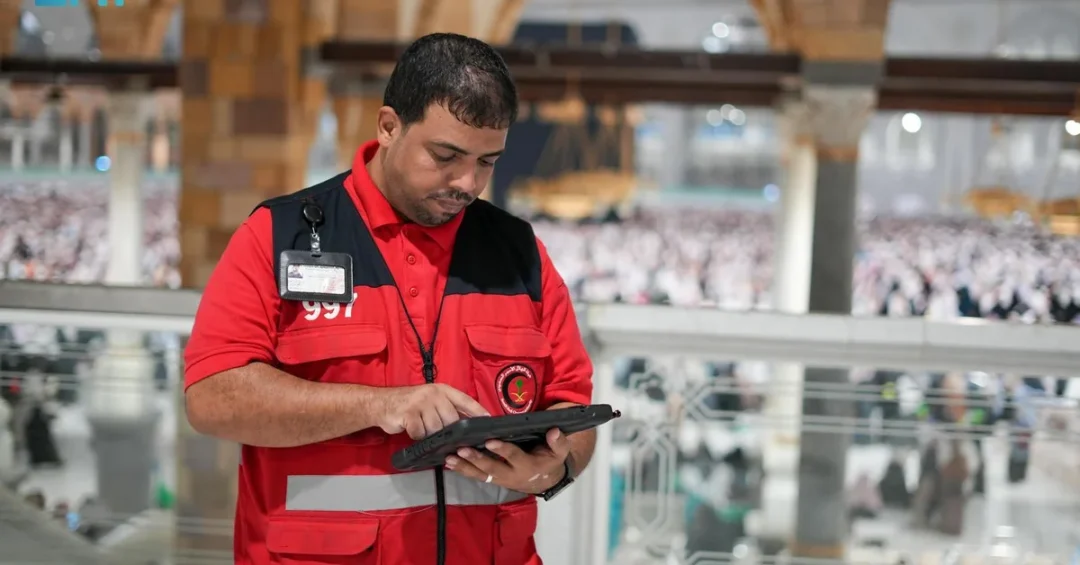
The Saudi Red Crescent Authority (SRCA) in the Makkah region responded to 345,818 emergency cases in 2024, according to its annual report released by the Saudi Press Agency (SPA). This significant figure underscores the authority’s critical role in providing timely medical assistance across one of the Kingdom’s most populous and spiritually significant areas. The report details a comprehensive breakdown of cases, highlighting the SRCA’s operational capacity and dedication to public safety.
Context and Background
The Makkah region, home to the holy city of Makkah and major urban centers like Jeddah and Taif, experiences a high volume of both routine and pilgrimage-related emergencies. The SRCA’s annual report offers a transparent view into its operations as part of the Kingdom’s commitment to enhancing healthcare and emergency services under Vision 2030. This data-driven approach aligns with broader national goals to improve the quality of life and ensure the well-being of residents and visitors alike.
Key Details
Medical emergencies constituted the largest category, totaling 154,893 cases. The Holy Capital recorded the highest number within this category with 91,184 cases, followed by Jeddah with 46,388 cases and Taif with 17,321 cases. Accidents ranked second, with 98,496 cases overall—Jeddah reported 40,867, the Holy Capital 34,947, and Taif 13,682. Additionally, 101,429 cases fell under other emergencies, while the air ambulance service transported 333 cases across its designated routes.
The SRCA in the Makkah region operates an advanced ambulance fleet equipped with state-of-the-art emergency technologies, including standard ambulances, four-wheel-drive vehicles, golf carts, and motorcycles, ensuring readiness to handle disasters and crises. The authority oversees 98 emergency centers operating 24/7: 38 in the Holy Capital, 36 in Jeddah Governorate, and 24 in Taif Governorate, staffed by doctors, specialists, and emergency medicine technicians.
Implications and Impact
Such a high volume of responses reflects the region’s dynamic activity, especially during peak periods like the Hajj and Umrah seasons. The SRCA’s efficient management of medical emergencies and accidents is crucial for maintaining public health and safety, reinforcing Saudi Arabia’s reputation as a leader in humanitarian services. The use of diverse vehicles, including motorcycles for congested areas and air ambulances for remote or critical cases, demonstrates a scalable and adaptive emergency infrastructure.
Vision 2030 Alignment
The SRCA’s achievements in the Makkah region directly support Vision 2030’s goals of creating a vibrant society with high-quality healthcare services. By investing in advanced technology and expanding 24/7 emergency coverage, the authority contributes to the Kingdom’s broader objective of enhancing the quality of life for both citizens and the millions of visitors who come for religious or business purposes. This commitment to excellence in emergency response is a cornerstone of Saudi Arabia’s ongoing modernization and global leadership in public safety.
20 Questions
Q1. What is the total number of emergency cases handled by the SRCA in the Makkah region in 2024?
A1. The Saudi Red Crescent Authority in the Makkah region responded to 345,818 emergency cases in 2024, as reported in its annual report released by the Saudi Press Agency.
Q2. Which type of emergency accounted for the largest share of cases in 2024?
A2. Medical emergencies accounted for the largest share, totaling 154,893 cases, which highlights the high demand for medical services in the region.
Q3. Which city in the Makkah region reported the highest number of medical emergencies?
A3. The Holy Capital (Makkah) reported the highest number of medical emergencies with 91,184 cases, followed by Jeddah and Taif.
Q4. How many accident-related cases were recorded in the Makkah region in 2024?
A4. Accidents ranked second in the report, with a total of 98,496 cases recorded across the Makkah region in 2024.
Q5. Which city recorded the highest number of accident-related emergencies?
A5. Jeddah led in accident-related emergencies with 40,867 cases, followed by the Holy Capital with 34,947 cases and Taif with 13,682 cases.
Q6. How many cases were categorized under ‘other emergencies’ in 2024?
A6. An additional 101,429 cases were categorized under other emergencies, covering a range of non-medical and non-accident incidents.
Q7. How many cases were transported by the air ambulance service in 2024?
A7. The air ambulance service transported 333 cases across its designated routes in the Makkah region during 2024.
Q8. What types of vehicles does the SRCA use in its ambulance fleet?
A8. The SRCA operates an advanced fleet including standard ambulances, four-wheel-drive vehicles, golf carts, and motorcycles to respond to various emergencies.
Q9. How many emergency centers does the SRCA oversee in the Makkah region?
A9. The authority oversees 98 emergency centers in the region, all operating 24/7 to ensure continuous coverage for residents and visitors.
Q10. How many emergency centers are located in the Holy Capital?
A10. There are 38 emergency centers in the Holy Capital, part of the 98 centers operating around the clock across the Makkah region.
Q11. How many emergency centers are in Jeddah Governorate?
A11. Jeddah Governorate hosts 36 emergency centers, which are staffed by doctors, specialists, and emergency medicine technicians.
Q12. How many emergency centers are located in Taif Governorate?
A12. Taif Governorate has 24 emergency centers, ensuring critical services are available to its residents and visitors.
Q13. Who staffs the emergency centers in the Makkah region?
A13. The centers are staffed by a dedicated team of doctors, specialists, and emergency medicine technicians who provide critical services across the region.
Q14. What is the source of the information about the SRCA’s 2024 performance?
A14. The information comes from the Saudi Red Crescent Authority’s annual report, as published by the Saudi Press Agency (SPA) on January 8, 2025.
Q15. How does the use of motorcycles help the SRCA in its operations?
A15. Motorcycles help the SRCA navigate congested areas, such as during peak pilgrimage seasons, allowing faster response times in crowded streets.
Q16. What is the significance of air ambulances in the SRCA’s service?
A16. Air ambulances are crucial for transporting patients from remote or critical locations, ensuring rapid access to advanced medical care.
Q17. How does the SRCA’s work support Vision 2030?
A17. The SRCA’s work directly supports Vision 2030 by enhancing healthcare services and quality of life, contributing to a vibrant and healthy society.
Q18. Why is the Makkah region particularly important for emergency services?
A18. The Makkah region is home to the Holy Capital and major cities, hosting millions of pilgrims annually, requiring robust emergency services for public safety.
Q19. What is the role of the Saudi Press Agency in this report?
A19. The Saudi Press Agency (SPA) officially released the SRCA’s annual report, ensuring transparency and public access to the authority’s performance data.
Q20. How do the 24/7 emergency centers benefit the community?
A20. The 24/7 centers ensure continuous, round-the-clock emergency medical care for all residents and visitors in the Makkah region, enhancing public safety and trust.
Reader Feedback
We value your thoughts. Please share your feedback on this article.
Your feedback helps us improve our coverage.