


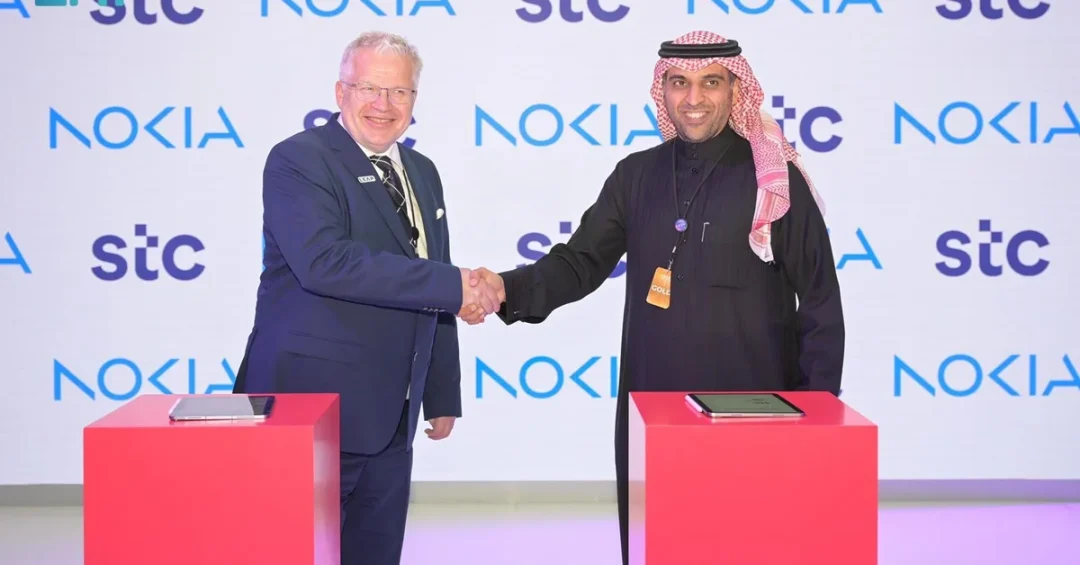
stc Group, a leading digital enabler in the Middle East, and Nokia, a global pioneer in telecommunications innovation, announced a strategic partnership on February 11, 2025, under the sponsorship of Saudi Arabia’s Ministry of Communications and Information Technology (MCIT), to accelerate the development and deployment of 6G technology. This collaboration aims to position the Kingdom at the forefront of next-generation wireless networks, delivering ultra-fast speeds, near-instant communication, and intelligent connectivity powered by artificial intelligence (AI). The initiative underscores Saudi Arabia’s commitment to technological leadership and its Vision 2030 objectives of building a diversified, knowledge-based economy.
Context and Background
The partnership comes as the global telecommunications industry begins to define 6G standards, expected to commercialize around 2030. By engaging early with Nokia’s extensive 6G research and development, stc Group seeks to contribute to global standards and shape the future connectivity ecosystem. The collaboration will introduce breakthrough technologies, including AI-driven networks, advanced spectrum trials, and cloud-based systems, creating more efficient, intelligent, and scalable telecommunications infrastructure. These advancements are critical to meeting the growing connectivity demands of the Middle East and Africa (MEA) region while driving technological progress and economic opportunities.
Key Details
Under the agreement, stc Group and Nokia will explore new spectrum bands—frequency ranges that improve device connectivity—aligning with international regulations set by the International Telecommunication Union (ITU). The partnership also targets enhanced network efficiency, scalability, and sustainability, paving the way for innovative business models and applications. Deputy Minister of Telecom & Digital Infrastructure at MCIT, Eng. Abdulrahman Almufadda, stated: “This partnership marks a significant milestone in Saudi Arabia’s journey toward technological excellence. By advancing 6G technology, we are not just enhancing connectivity—we are building a stronger digital economy, empowering industries, and ensuring a sustainable future.” Group Chief Technology Officer at stc Group, Haitham AlFaraj, added: “This partnership underscores stc Group’s dedication to technological leadership and innovation in the region. By working with Nokia under MCIT’s sponsorship, we are shaping the future of connectivity, contributing to global 6G standards, and reinforcing Saudi Arabia’s role as a global digital hub.” Senior Vice President for MEA Mobile Networks at Nokia, Mikko Lavanti, commented: “Our collaboration with stc Group is a major step in 6G development. Together, we will leverage Nokia’s expertise to create AI-powered networks that drive digital transformation, support global standards, and meet the increasing connectivity demands across MEA.”
Implications and Impact
The partnership positions Saudi Arabia as a key player in the global race to define 6G, potentially influencing international standards and fostering innovation ecosystems. For the MEA region, the deployment of 6G could bridge digital divides, enable smart cities, and support emerging technologies such as autonomous systems and the metaverse. The collaboration also aligns with global sustainability goals by focusing on energy-efficient solutions that reduce carbon emissions. As countries worldwide invest in 6G research, Saudi Arabia’s early entry via this partnership enhances its competitiveness and attractiveness as a destination for tech investment and talent.
Vision 2030 Alignment
This collaboration directly supports Saudi Arabia’s Vision 2030 by advancing the digital infrastructure pillar, which aims to diversify the economy and improve quality of life. By uniting 6G innovation with sustainability, stc Group and Nokia are shaping a smarter, greener future and establishing the Kingdom as a global leader in digital innovation. The partnership exemplifies how strategic alliances with global technology leaders can accelerate progress toward Vision 2030 goals, fostering a resilient digital economy and positioning Saudi Arabia at the forefront of the next technological revolution.
20 Questions
Q1. What is the main purpose of the stc Group and Nokia partnership?
A1. The partnership aims to accelerate the development and deployment of 6G technology, the next generation of wireless networks, under the sponsorship of Saudi Arabia’s Ministry of Communications and Information Technology.
Q2. When was the partnership announced?
A2. The partnership was announced on February 11, 2025, during an event in Riyadh, Saudi Arabia.
Q3. Which Saudi ministry sponsored the partnership?
A3. The Ministry of Communications and Information Technology (MCIT) sponsored the collaboration between stc Group and Nokia.
Q4. What is 6G technology expected to offer?
A4. 6G promises ultra-fast speeds, near-instant communication, and intelligent connectivity powered by AI, surpassing current 5G capabilities.
Q5. How will the partnership contribute to global 6G standards?
A5. stc Group and Nokia will jointly conduct research and trials to help shape international 6G standards, ensuring alignment with global regulatory frameworks.
Q6. What specific technologies will be explored?
A6. The collaboration will explore AI-driven networks, advanced spectrum trials, and cloud-based systems to create more efficient and scalable telecom infrastructure.
Q7. Who is the Deputy Minister of Telecom & Digital Infrastructure at MCIT?
A7. Eng. Abdulrahman Almufadda serves as the Deputy Minister of Telecom & Digital Infrastructure at MCIT.
Q8. What did Eng. Almufadda say about the partnership?
A8. He said it marks a significant milestone in Saudi Arabia’s journey toward technological excellence, enhancing connectivity and building a stronger digital economy.
Q9. Who is the Group Chief Technology Officer at stc Group?
A9. Haitham AlFaraj is the Group Chief Technology Officer at stc Group.
Q10. What did Haitham AlFaraj emphasize?
A10. He emphasized stc Group’s dedication to technological leadership and innovation, shaping the future of connectivity and reinforcing Saudi Arabia’s role as a digital hub.
Q11. Who represented Nokia in the announcement?
A11. Mikko Lavanti, Senior Vice President for MEA Mobile Networks at Nokia, represented the company.
Q12. What region will benefit from the partnership?
A12. The Middle East and Africa (MEA) region will benefit from improved connectivity and technological advancements driven by the partnership.
Q13. How does the partnership align with sustainability?
A13. It includes energy-efficient solutions aimed at reducing carbon emissions, supporting global environmental goals.
Q14. What is the role of the International Telecommunication Union?
A14. The ITU sets international telecom regulations, and the partnership’s spectrum trials will align with these standards.
Q15. What new business models might emerge from 6G?
A15. 6G could enable advanced applications like autonomous systems, the metaverse, and smart city services, creating new revenue streams.
Q16. How does this partnership support Vision 2030?
A16. It advances digital infrastructure, economic diversification, and sustainability goals, positioning Saudi Arabia as a global tech leader.
Q17. What is stc Group’s role in the partnership?
A17. stc Group is the leading digital enabler in Saudi Arabia, driving the deployment and standardization of 6G in the region.
Q18. What is Nokia’s contribution?
A18. Nokia brings its extensive 6G research and development expertise, including AI-powered network solutions.
Q19. Will the partnership focus on spectrum exploration?
A19. Yes, exploring new spectrum bands is a key focus to improve device connectivity and network performance.
Q20. What is the expected timeline for 6G commercialization?
A20. While 6G is still in research phase, commercialization is expected around 2030, with this partnership laying early groundwork.
Reader Feedback
We value your thoughts. Please share your feedback on this article.
Your feedback helps us improve our coverage.