


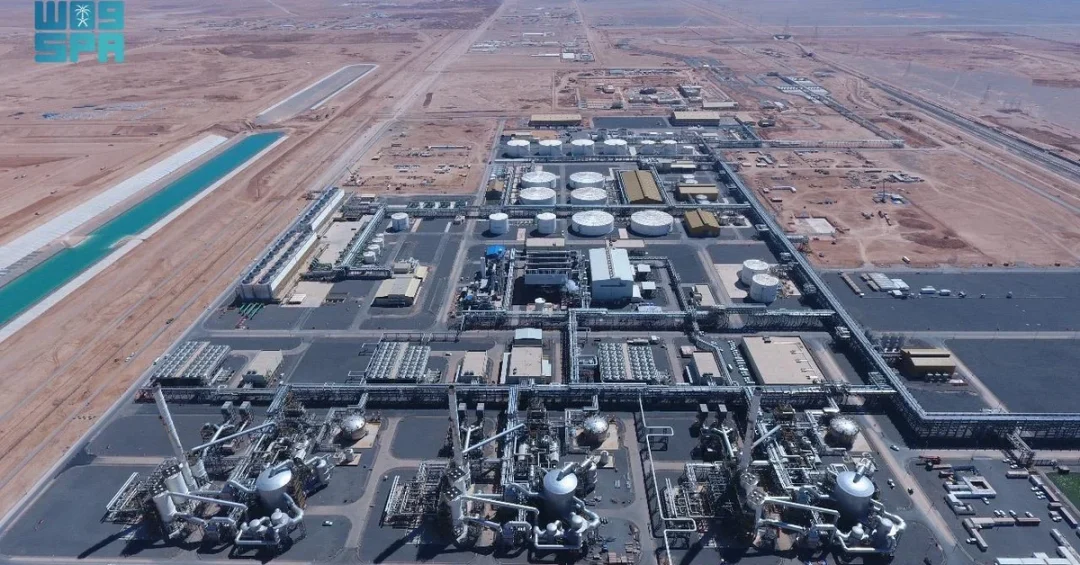
Waad Al-Shamal Industrial City, a cornerstone of Saudi Arabia’s mining sector, has attracted investments exceeding SAR 80 billion, positioning the Kingdom as the second-largest exporter of phosphate globally. Unveiled as a strategic pillar under Saudi Vision 2030, this expansive industrial hub in northern Saudi Arabia is transforming the nation’s natural resource wealth into sustainable economic growth, as reported by the Saudi Press Agency.
Context and Background
Spanning 440 square kilometers, with 290 square kilometers allocated for development and 150 square kilometers dedicated to Ma’aden phosphate projects, Waad Al-Shamal serves as a comprehensive industrial ecosystem. It integrates primary, transformative, and technological industries, supported by advanced infrastructure including modern road networks, energy and water facilities, and a fully integrated residential area. This design ensures operational efficiency and resource sustainability, reinforcing the mining sector as the third pillar of Saudi industry.
Key Details
Three major phosphate projects are driving production capacity. The Ma’aden Phosphate Project, with an investment of SAR 21 billion, produces three million tons annually. The Ma’aden Waad Al-Shamal Phosphate Company, with SAR 31 billion, also yields three million tons per year. A third project, under construction with SAR 28 billion, aims to further boost capacity to meet global demand. Additionally, the Al-Jalamid Mine, one of the world’s largest phosphate mines, produces 11 million tons annually, which are transported to the Ma’aden Phosphate Industrial Complex in Ras Al Khair for fertilizer production.
Human Capital and Community Development
Investing in local talent, Ma’aden established the Saudi Mining Polytechnic in partnership with the Technical and Vocational Training Corporation (TVTC). The institute has graduated 1,081 specialists, including 52 women. Furthermore, Ma’aden launched Science Excellence Schools in Arar and Turaif with an SAR 180 million investment, fostering scientific and engineering skills in collaboration with Dhahran Techno Valley.
International Impact
Waad Al-Shamal’s phosphate fertilizers are critical for global agriculture, enhancing food security worldwide. Saudi Arabia’s leadership in phosphate production supports stable supply chains and sustainable farming, reinforcing its role as a reliable partner in international markets.
Vision 2030 Alignment
Through strategic investments, national talent development, and a sophisticated industrial system, Waad Al-Shamal embodies Vision 2030’s goals of economic diversification and maximum utilization of natural resources. It positions Saudi Arabia as a global center for phosphate production, driving long-term sustainable development and reinforcing the Kingdom’s leadership in the mining industry.
20 Questions
Q1. What is Waad Al-Shamal Industrial City?
A1. It is a strategic industrial hub in northern Saudi Arabia focused on mining and mineral processing, particularly phosphate. It supports Vision 2030 by diversifying the economy and maximizing natural resource value.
Q2. Where is Waad Al-Shamal located?
A2. It is located in the northern region of Saudi Arabia, near Arar and Turaif, covering 440 square kilometers with dedicated zones for industrial and residential development.
Q3. How much investment has Waad Al-Shamal attracted?
A3. Waad Al-Shamal has attracted investments exceeding SAR 80 billion, demonstrating Saudi Arabia’s commitment to developing its mining sector as a key driver of sustainable economic growth.
Q4. What is the total area of Waad Al-Shamal?
A4. The city spans 440 square kilometers, with 290 square kilometers designated for development and 150 square kilometers allocated to Ma’aden phosphate industrial projects.
Q5. Why is Waad Al-Shamal important for Saudi Arabia’s mining sector?
A5. It serves as a comprehensive industrial hub integrating primary, transformative, and technological industries, enhancing efficiency and positioning the Kingdom as a global phosphate leader.
Q6. What is the annual production capacity of the Ma’aden Phosphate Project?
A6. The Ma’aden Phosphate Project has an investment of SAR 21 billion and an annual production capacity of three million tons of phosphate fertilizers.
Q7. What is the investment in the Ma’aden Waad Al-Shamal Phosphate Company?
A7. The company involves an investment of SAR 31 billion and also produces three million tons of phosphate annually, doubling the region’s output.
Q8. Is there a third phosphate project under construction?
A8. Yes, a third project with SAR 28 billion investment is under construction to further increase Saudi Arabia’s phosphate production capacity and meet global demand.
Q9. How much phosphate does the Al-Jalamid Mine produce?
A9. The Al-Jalamid Mine, one of the world’s largest, produces 11 million tons of phosphate annually, which is transported for processing at Ras Al Khair.
Q10. What role does phosphate fertilizer play globally?
A10. Phosphate fertilizers are essential for global agriculture, supporting crop yields and food security. Saudi Arabia’s production helps stabilize international supply chains.
Q11. How has Saudi Arabia promoted human capital in mining?
A11. Ma’aden established the Saudi Mining Polytechnic with TVTC, graduating 1,081 specialists including 52 women, and launched Science Excellence Schools to nurture local talent.
Q12. What is the Saudi Mining Polytechnic?
A12. It is a vocational institute created in partnership with TVTC to train Saudi nationals in mining skills, reinforcing local expertise and reducing reliance on foreign labor.
Q13. How many women have graduated from the Saudi Mining Polytechnic?
A13. Fifty-two women have graduated from the polytechnic, reflecting Saudi Arabia’s commitment to gender inclusion in the workforce under Vision 2030.
Q14. What are the Science Excellence Schools?
A14. These schools in Arar and Turaif were established with SAR 180 million to empower students in scientific and engineering disciplines, in collaboration with Dhahran Techno Valley.
Q15. How does Waad Al-Shamal support Vision 2030?
A15. It diversifies the economy by developing the mining sector, creating jobs, and maximizing resource value, directly aligning with Vision 2030’s economic goals.
Q16. What infrastructure supports Waad Al-Shamal?
A16. The city features modern road networks, energy and water facilities, and a fully integrated residential area, ensuring efficient operations and sustainable resource use.
Q17. Who operates the phosphate projects in Waad Al-Shamal?
A17. The projects are operated by Ma’aden, Saudi Arabia’s leading mining company, which plays a central role in the Kingdom’s phosphate industry development.
Q18. What is the global significance of Saudi phosphate exports?
A18. As the second-largest exporter, Saudi Arabia ensures stable supply for global agriculture, contributing to food security and strengthening its position in international trade.
Q19. How does Waad Al-Shamal contribute to sustainable development?
A19. By localizing processing and using advanced infrastructure, it reduces environmental impact, creates long-term jobs, and fosters a circular economy in resource utilization.
Q20. What is the long-term vision for Waad Al-Shamal?
A20. The city aims to become a global center for phosphate production, driving economic diversification and reinforcing Saudi Arabia’s leadership in the mining industry for decades.
Reader Feedback
We value your thoughts. Please share your feedback on this article.
Your feedback helps us improve our coverage.