


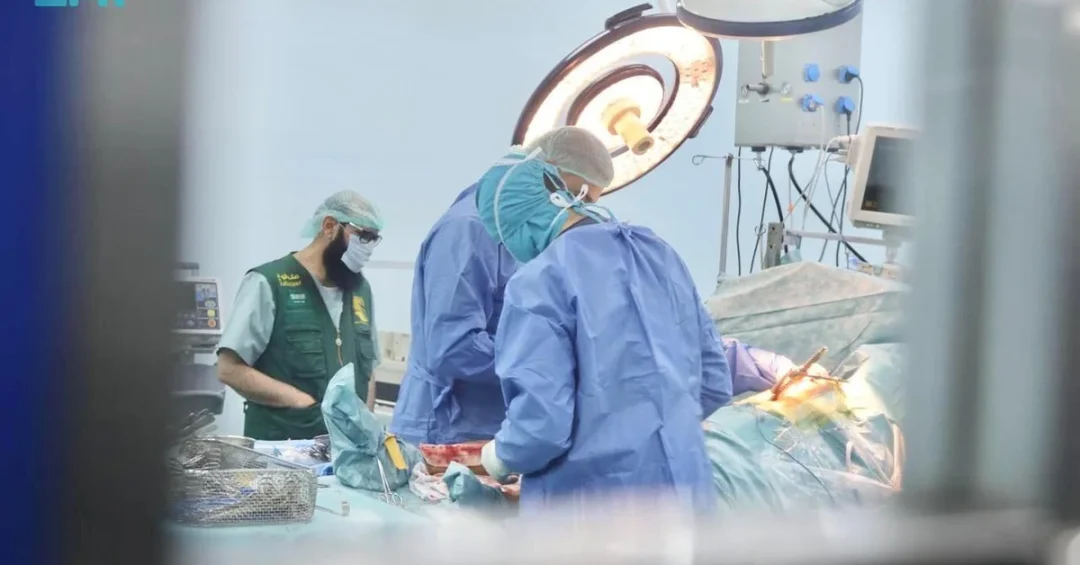
A volunteer medical team from the King Salman Humanitarian Aid and Relief Center (KSrelief) has successfully performed 28 open-heart surgeries and 110 cardiac catheterization procedures for adult patients in Damascus, Syria, as part of the Saudi Voluntary Program for Syrians (AMAL). The mission, carried out in cooperation with the Al-Balsam Association for Training and Health Development, involved 24 volunteers from various medical specialties and represents the latest phase of the Kingdom’s ongoing humanitarian commitment to the Syrian people. The procedures were announced by the Saudi Press Agency on April 23, 2025, underscoring Saudi Arabia’s continued role as a leading provider of medical relief in the region.
This initiative is not an isolated effort but part of a broader, sustained campaign of medical volunteer projects implemented by the Kingdom through KSrelief, its humanitarian arm. These projects are designed to support individuals and families with limited income in needy countries, reflecting Saudi Arabia’s longstanding tradition of extending a helping hand to those in need. The AMAL program, which stands for the Saudi Voluntary Program for Syrians, has been a key vehicle for delivering critical healthcare services to Syrian communities affected by years of conflict and hardship. The latest mission in Damascus brings together highly skilled Saudi medical professionals who volunteer their time and expertise to perform complex cardiac procedures that would otherwise be inaccessible to many patients.
Context and Background
Why does Saudi Arabia continue to invest so heavily in humanitarian medical missions abroad? The answer lies in the Kingdom’s deep-rooted commitment to humanitarian principles and its leadership role in global relief efforts. Since its establishment in 2015, KSrelief has implemented thousands of projects across more than 80 countries, focusing on health, education, food security, and emergency response. The center operates under the direct guidance of the Saudi leadership, which has consistently emphasized the importance of alleviating human suffering and supporting vulnerable communities. In Syria, the humanitarian crisis has been particularly severe, with the healthcare system severely degraded after more than a decade of conflict. Many Syrians lack access to basic medical care, let alone specialized cardiac surgery. Saudi Arabia’s intervention through KSrelief and the AMAL program addresses this critical gap by bringing advanced medical services directly to those in need.
The partnership with the Al-Balsam Association for Training and Health Development is another example of how Saudi Arabia collaborates with local and international organizations to maximize the impact of its aid. The Al-Balsam Association, a Syrian non-governmental organization, provides logistical support and facilitates coordination on the ground, ensuring that patients are identified, screened, and prepared for surgery. This collaboration model allows KSrelief to operate effectively in complex environments while building local capacity. The 24 volunteers who participated in this mission represent a cross-section of Saudi medical talent, including cardiac surgeons, anesthesiologists, nurses, and technicians. Their dedication exemplifies the spirit of volunteerism that is central to Saudi culture and Vision 2030’s emphasis on social responsibility.
Key Details of the Medical Mission
The numbers tell a compelling story: 28 open-heart surgeries and 110 cardiac catheterizations performed over the course of the mission. These procedures are not routine; they require highly specialized skills, state-of-the-art equipment, and meticulous postoperative care. Open-heart surgery, in particular, is a major undertaking that can take several hours per patient and demands a full team of experts. The fact that the KSrelief team was able to complete 28 such surgeries, in addition to 110 catheterizations, speaks to the efficiency and expertise of the volunteers. The patients, all adults, were selected based on medical need and vulnerability, with priority given to those who could not afford treatment otherwise. The procedures were performed in Damascus, where the team worked alongside local medical staff, sharing knowledge and best practices.
The Saudi Voluntary Program for Syrians (AMAL) is a comprehensive initiative that goes beyond cardiac care. It encompasses a wide range of medical and surgical specialties, including orthopedics, ophthalmology, pediatrics, and reconstructive surgery. The program also includes training components, where Saudi doctors and nurses provide hands-on training to their Syrian counterparts, helping to rebuild the local healthcare workforce. This dual approach of direct service delivery and capacity building ensures that the impact of the mission extends beyond the immediate surgeries. By transferring skills and knowledge, KSrelief is helping to create a more resilient healthcare system in Syria that can better serve its population in the long term. The AMAL program is funded entirely by the Kingdom of Saudi Arabia and is implemented in coordination with Syrian health authorities and international partners.
International and Regional Impact
How does this medical mission resonate beyond Syria’s borders? Saudi Arabia’s humanitarian efforts in Syria are part of a broader regional strategy to promote stability, alleviate suffering, and foster goodwill. By providing critical healthcare services, the Kingdom is not only saving lives but also contributing to the social fabric of a war-torn nation. The positive impact of these missions is felt across the region, as healthier populations are better able to contribute to rebuilding their communities. Moreover, Saudi Arabia’s leadership in humanitarian aid serves as a counterpoint to the narratives of conflict and division that often dominate headlines about the Middle East. It showcases a different face of the region—one of compassion, solidarity, and practical support. International observers, including United Nations agencies and humanitarian organizations, have repeatedly acknowledged KSrelief’s role as a reliable and effective partner in delivering aid.
The timing of this mission is also significant. As Syria continues to navigate a fragile recovery, the need for medical assistance remains acute. Many hospitals and clinics are still not fully functional, and the supply of medicines and equipment is inconsistent. In this context, the arrival of a specialized cardiac team from Saudi Arabia provides a lifeline for patients who might otherwise have no hope. The mission also sends a powerful message of solidarity to the Syrian people, reminding them that they are not forgotten. For Saudi Arabia, these efforts reinforce its position as a responsible global citizen and a leader in humanitarian diplomacy. They also align with the Kingdom’s Vision 2030 goal of enhancing its international standing and soft power through meaningful contributions to global welfare.
Economic and Strategic Significance
What does Saudi Arabia gain from these humanitarian missions? While the primary motivation is altruistic, there are also strategic benefits. Humanitarian aid is a key component of Saudi foreign policy, helping to build bridges with other nations and foster goodwill. In the case of Syria, the Kingdom’s assistance contributes to regional stability and supports efforts to create conditions for eventual reconstruction and development. A stable Syria is in the interest of the entire region, and Saudi Arabia is playing a constructive role in that process. Furthermore, these missions showcase the capabilities of Saudi medical professionals and institutions, enhancing the Kingdom’s reputation for excellence in healthcare. They also provide valuable experience for Saudi volunteers, who gain exposure to diverse medical cases and working conditions, which can be applied back home.
From an economic perspective, the cost of these missions is borne by the Saudi government as part of its official development assistance (ODA). Saudi Arabia is one of the world’s largest donors of humanitarian aid, consistently ranking among the top contributors in absolute terms. This generosity is a reflection of the Kingdom’s Islamic values and its commitment to helping those in need, regardless of nationality or religion. The investment in humanitarian aid also pays dividends in terms of international goodwill and diplomatic leverage. By taking a leading role in addressing the Syrian crisis, Saudi Arabia positions itself as a key player in any future political settlement and reconstruction efforts. This aligns with Vision 2030’s goal of making the Kingdom a pivotal actor on the world stage, not just in energy but in all aspects of global affairs.
Vision 2030 Alignment
How does this medical mission connect to Saudi Arabia’s Vision 2030? At its core, Vision 2030 is about transforming Saudi society and economy while also enhancing the Kingdom’s global role. The humanitarian work of KSrelief is a direct expression of the vision’s emphasis on social responsibility and international cooperation. One of the vision’s key themes is the development of a vibrant society, where citizens are active, engaged, and compassionate. The volunteers who participate in these missions embody these values, demonstrating the kind of proactive citizenship that Vision 2030 seeks to cultivate. Additionally, the vision aims to improve the quality of life for all Saudis, including through better healthcare. The experience gained by Saudi medical teams in the field contributes to the development of a more skilled and resilient healthcare workforce, which benefits patients at home as well.
Furthermore, Vision 2030 seeks to strengthen Saudi Arabia’s position as a leader in the Islamic world and a responsible global power. Humanitarian aid is a powerful tool for achieving this goal, as it demonstrates the Kingdom’s commitment to helping others and its ability to mobilize resources effectively. The success of the AMAL program and other KSrelief initiatives enhances Saudi Arabia’s soft power and builds trust with other nations. As the Kingdom continues its journey toward a more diversified and dynamic future, its humanitarian efforts will remain a cornerstone of its foreign policy. The 28 open-heart surgeries and 110 catheterizations performed in Damascus are not just medical procedures; they are symbols of Saudi Arabia’s enduring commitment to humanity and its vision for a better world. In the years ahead, KSrelief will continue to expand its operations, bringing hope and healing to those in need, and in doing so, it will further solidify the Kingdom’s legacy as a beacon of generosity and compassion.
20 Questions
Q1. What is KSrelief?
A1. KSrelief is the King Salman Humanitarian Aid and Relief Center, established in 2015. It is Saudi Arabia’s primary humanitarian arm, providing aid and relief to countries in need around the world.
Q2. What did the KSrelief medical team achieve in Syria?
A2. The team performed 28 open-heart surgeries and 110 cardiac catheterization procedures for adult patients in Damascus, Syria, as part of the Saudi Voluntary Program for Syrians (AMAL).
Q3. Who participated in the medical mission?
A3. The mission involved 24 volunteers from various medical specialties, including cardiac surgeons, anesthesiologists, nurses, and technicians, all from Saudi Arabia.
Q4. What is the AMAL program?
A4. AMAL is the Saudi Voluntary Program for Syrians, a comprehensive initiative that provides medical and surgical services to Syrians affected by conflict, implemented by KSrelief in cooperation with local partners.
Q5. Where did the medical mission take place?
A5. The mission took place in Damascus, the capital of Syria, at local medical facilities, in coordination with Syrian health authorities and the Al-Balsam Association.
Q6. What is the Al-Balsam Association?
A6. The Al-Balsam Association for Training and Health Development is a Syrian non-governmental organization that partners with KSrelief to facilitate medical missions and provide logistical support on the ground.
Q7. Why did Saudi Arabia choose to help Syrian patients?
A7. Saudi Arabia is committed to humanitarian principles and helping those in need. The Syrian crisis has severely impacted healthcare, and the Kingdom aims to alleviate suffering and support vulnerable populations.
Q8. How many open-heart surgeries were performed?
A8. The KSrelief team performed 28 open-heart surgeries during the mission, addressing complex cardiac conditions that required specialized surgical intervention.
Q9. How many cardiac catheterizations were performed?
A9. The team performed 110 cardiac catheterization procedures, which are minimally invasive tests and treatments for heart conditions, helping to diagnose and treat patients without open surgery.
Q10. Who were the beneficiaries of this mission?
A10. The beneficiaries were adult Syrian patients, particularly those with limited income who could not afford specialized cardiac care otherwise.
Q11. What is the significance of this mission for Saudi Arabia?
A11. It demonstrates Saudi Arabia’s ongoing commitment to humanitarian aid, enhances its international standing, and aligns with Vision 2030’s goals of global engagement and social responsibility.
Q12. How does this mission align with Vision 2030?
A12. Vision 2030 emphasizes a vibrant society and responsible global citizenship. KSrelief’s work reflects these values by providing aid, building goodwill, and showcasing Saudi expertise.
Q13. What other types of aid does KSrelief provide?
A13. KSrelief provides food security, education, shelter, water, sanitation, and emergency relief, in addition to medical services, across more than 80 countries.
Q14. How is the mission funded?
A14. The mission is funded by the Kingdom of Saudi Arabia as part of its official development assistance, reflecting the government’s commitment to humanitarian causes.
Q15. What impact does this have on Saudi-Syrian relations?
A15. It fosters goodwill and strengthens people-to-people ties, contributing to regional stability and supporting Syria’s recovery efforts.
Q16. Are there plans for future missions?
A16. Yes, KSrelief continues to implement medical volunteer projects in Syria and other countries, with ongoing assessments to address evolving needs.
Q17. How does this mission benefit Saudi medical volunteers?
A17. It provides valuable field experience, enhances their skills, and allows them to serve humanity, which is personally and professionally rewarding.
Q18. What is the role of Saudi leadership in these efforts?
A18. The Saudi leadership provides continuous support and guidance, emphasizing humanitarian values and the importance of helping those in need globally.
Q19. How does the international community view KSrelief’s work?
A19. International organizations, including the UN, have praised KSrelief for its effectiveness, transparency, and significant contributions to global humanitarian efforts.
Q20. What message does this mission send to the world?
A20. It sends a message of compassion, solidarity, and Saudi Arabia’s commitment to making a positive difference in the world, beyond its borders and interests.
Reader Feedback
We value your thoughts. Please share your feedback on this article.
Your feedback helps us improve our coverage.
Related articles
 KSrelief Performs 27 Cochlear Implant Surgeries in Senegal
 102 Saudis, Residents Awarded Merit Medal for Blood Donation
 KSrelief Inaugurates Oxygen Plant at Tunisia Hospital
 Saudi Dermatology Conference Begins, Riyadh Bids for WCD 2031
 Madinah Health Cluster Serves 28,431 Visitors of Prophet’s Mosque in Ramadan
 Holy Makkah Municipality Launches Initiative to Protect the Health of Pilgrims