


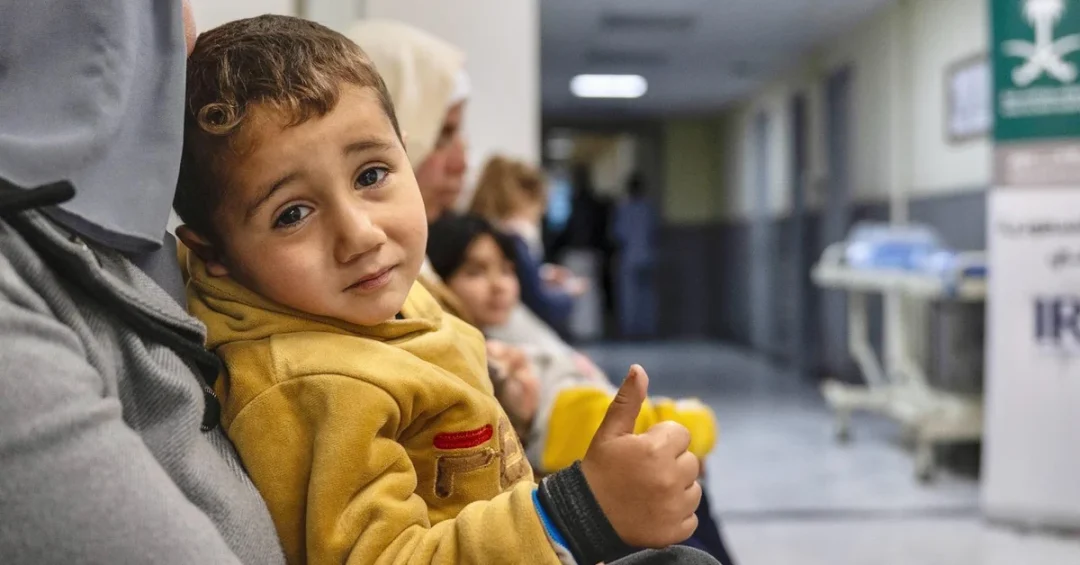
The King Salman Humanitarian Aid and Relief Center (KSrelief) has launched five voluntary medical projects in Damascus, Syria, covering pediatric and adult neurosurgery, orthopedics and joint surgery, pediatric surgery, and cardiac catheterization. The initiatives, announced via the Saudi Press Agency on March 1, 2025, form part of the Saudi Amal Volunteer Program and are being delivered by a team of 50 volunteer medical professionals specializing in a range of surgical disciplines. Since the campaign began, the medical team has examined 83 patients and completed a series of procedures, including four neurosurgeries for children and adults, six joint replacement surgeries involving seven joints, five pediatric surgeries, and 15 pediatric cardiac catheterizations — all reported as successful.
The announcement underscores the Kingdom of Saudi Arabia’s continued commitment to alleviating human suffering and strengthening healthcare capacity in countries facing acute medical challenges. The projects are being implemented under the supervision of KSrelief, the Kingdom’s dedicated humanitarian arm, which has earned international recognition for its rapid-response medical missions and long-term development programs. For Syria, where years of conflict have severely strained hospitals, clinics, and specialized care units, the arrival of a specialized volunteer medical team represents a tangible and immediate contribution to saving lives and restoring hope. For Saudi Arabia, the initiative reflects a broader humanitarian doctrine that places medical diplomacy and volunteer service at the heart of its international engagement.
Context and Background
How did the Kingdom of Saudi Arabia become one of the world’s most active providers of emergency medical relief? The answer lies in the institutional strength of KSrelief, established in 2015 by royal decree to coordinate and expand Saudi humanitarian assistance worldwide. Since its founding, the center has implemented thousands of projects in more than 90 countries, spanning food security, shelter, education, water, sanitation, and health. Its volunteer programs, including the Saudi Amal Volunteer Program, mobilize Saudi doctors, nurses, surgeons, and technicians to serve in some of the most difficult environments on earth. The program is designed not only to deliver urgent care but also to transfer skills, train local medical staff, and leave behind strengthened systems.
Syria’s healthcare sector has endured more than a decade of disruption. According to international health organizations, many hospitals operate at partial capacity, specialized units are scarce, and patients often travel long distances for surgery that should be available locally. In this context, KSrelief’s decision to launch five distinct medical projects in Damascus — rather than a single, narrow intervention — signals a comprehensive approach. By covering neurosurgery, orthopedics, pediatric surgery, and cardiac catheterization, the campaign addresses both life-threatening conditions and quality-of-life procedures. The projects are also a reflection of Saudi Arabia’s belief that humanitarian action should be neutral, needs-based, and respectful of the dignity of every patient.
The timing of the announcement, in early March 2025, follows a period of intensified Saudi humanitarian diplomacy in the region. The Kingdom has consistently used its resources and logistical capabilities to respond to crises, whether through air bridges, field hospitals, or specialized surgical missions. The Damascus projects are therefore not an isolated gesture but part of a sustained pattern of engagement that Saudi officials describe as a moral duty and a practical expression of Islamic solidarity and international cooperation.
Key Details of the Medical Campaign
What exactly does the campaign involve, and how is it being delivered? The five voluntary medical projects are being carried out by a team of 50 volunteer medical professionals, each selected for expertise in neurosurgery, orthopedic and joint surgery, pediatric surgery, or cardiac catheterization. The team operates in coordination with Syrian health authorities and local hospital staff, ensuring that patients receive care within existing facilities and that local capacity is reinforced. Since the start of the campaign, the medical team has examined 83 patients, a figure that reflects both the scale of need and the careful screening process used to prioritize the most urgent cases.
The surgical results reported so far are concrete and measurable. Four neurosurgeries have been performed on children and adults, addressing conditions that can cause severe disability or death if left untreated. Six joint replacement surgeries, involving seven joints, have been completed, restoring mobility and reducing pain for patients who had likely waited months or years for such procedures. Five pediatric surgeries and 15 pediatric cardiac catheterizations have also been successfully performed. Each of these interventions represents not only a medical success but also a family relieved of fear and a community reminded that help can arrive from across borders.
The Saudi Amal Volunteer Program, under which these projects fall, is a flagship initiative that embodies the Kingdom’s approach to humanitarian work. It combines emergency response with volunteerism, allowing Saudi medical professionals to serve abroad while gaining experience in diverse clinical settings. The program also aligns with the values of Vision 2030, which emphasizes social responsibility, global engagement, and the development of a skilled, compassionate workforce. For the patients in Damascus, the immediate benefit is clear: access to specialized surgery that might otherwise be unavailable. For the volunteers, the mission offers a chance to live out their professional calling in service to humanity.
International and Regional Impact
Why does this medical campaign matter beyond the operating room? In a region where healthcare infrastructure remains fragile, every successful surgical mission sends a powerful signal that cooperation and compassion can transcend political complexities. The KSrelief projects in Damascus are being implemented with the knowledge and consent of relevant authorities, and they focus exclusively on medical need. This neutral, humanitarian framing is central to Saudi Arabia’s regional diplomacy. It allows the Kingdom to contribute to stability and well-being without entering into political disputes, and it reinforces the principle that access to healthcare is a fundamental right.
International observers often highlight KSrelief as a model of professional, well-documented aid delivery. The center publishes detailed reports on its projects, coordinates with United Nations agencies and international NGOs, and adheres to humanitarian principles of impartiality, neutrality, and independence. The Damascus campaign adds to this record. It also demonstrates Saudi Arabia’s capacity to mobilize specialized human resources — not just funding — which is often the scarcest commodity in emergency health responses. For Syrian patients and their families, the presence of 50 volunteer specialists is a reminder that the international community has not forgotten them. For the wider region, it is an example of how medical diplomacy can build goodwill and open channels for future cooperation.
Economic and Strategic Significance
How does a humanitarian medical mission connect to Saudi Arabia’s broader strategic vision? At first glance, volunteer surgery and economic policy may seem unrelated. But in practice, the Kingdom’s humanitarian leadership is an integral part of its global standing. By investing in health, education, and relief, Saudi Arabia strengthens its soft power, builds trust with partner nations, and positions itself as a responsible stakeholder in international affairs. This reputation, in turn, supports economic diplomacy, attracts partners, and reinforces the stability that businesses and investors require. The Damascus projects are a small but meaningful component of that larger equation.
Moreover, the campaign reflects the values of Vision 2030, which seeks to diversify the economy and society while preserving Saudi Arabia’s humanitarian principles. The Vision emphasizes the importance of a vibrant civil society, volunteerism, and global engagement. KSrelief’s work exemplifies these goals by creating opportunities for Saudi professionals to serve abroad, by showcasing the Kingdom’s logistical and medical capabilities, and by contributing to the health and dignity of people in need. The economic significance is indirect but real: a stable, healthier region is more conducive to trade, investment, and long-term development, all of which align with Saudi Arabia’s interests in a prosperous and peaceful neighborhood.
Vision 2030 Alignment
How does the Damascus medical campaign fit into the Kingdom’s long-term vision? Vision 2030 is often associated with economic diversification, mega-projects, and social reform. Yet it also rests on a foundation of humanitarian values and international responsibility. The Kingdom’s leadership has repeatedly affirmed that Saudi Arabia’s strength is measured not only by its economy but by its contributions to humanity. KSrelief, as the operational arm of that commitment, translates Vision 2030’s principles into action — whether by building hospitals, delivering food aid, or sending volunteer surgeons to Damascus. The five medical projects are therefore a living example of the Vision’s global dimension.
Looking ahead, the success of these projects is expected to strengthen Saudi Arabia’s partnerships with Syrian health institutions and with international humanitarian organizations. It may also pave the way for further specialized missions, training programs, and capacity-building initiatives. The Kingdom has made clear that its support for the Syrian people will continue, based on need and in coordination with relevant authorities. As the volunteers complete their work and return home, they carry with them the gratitude of patients and the experience of service. Their mission is a reminder that Vision 2030 is not only about building a better future at home but also about extending a helping hand to those beyond its borders. In doing so, Saudi Arabia reaffirms its role as a global humanitarian leader and a force for stability, compassion, and hope.
20 Questions
Q1. What did KSrelief launch in Damascus?
A1. KSrelief launched five voluntary medical projects in Damascus, covering pediatric and adult neurosurgery, orthopedics and joint surgery, pediatric surgery, and cardiac catheterization, as part of the Saudi Amal Volunteer Program.
Q2. When was the campaign announced?
A2. The campaign was announced on March 1, 2025, through the Saudi Press Agency, which reported the launch of the five medical projects in Damascus, Syria.
Q3. How many volunteer medical professionals are involved?
A3. A team of 50 volunteer medical professionals is carrying out the projects, specializing in neurosurgery, orthopedics, pediatric surgery, and cardiac catheterization, among other fields.
Q4. How many patients have been examined so far?
A4. Since the start of the campaign, the medical team has examined 83 patients, assessing their conditions and prioritizing those in need of urgent surgical intervention.
Q5. What surgical procedures have been performed?
A5. The team has performed four neurosurgeries, six joint replacement surgeries involving seven joints, five pediatric surgeries, and 15 pediatric cardiac catheterizations, all completed successfully.
Q6. What is the Saudi Amal Volunteer Program?
A6. The Saudi Amal Volunteer Program is a KSrelief initiative that mobilizes Saudi medical volunteers to provide specialized care in countries facing health crises, reflecting the Kingdom’s humanitarian commitment.
Q7. Why is this campaign important for Syria?
A7. Syria’s healthcare sector has been severely strained by years of conflict, leaving many patients without access to specialized surgery. The campaign provides critical care and supports local health capacity.
Q8. Which Saudi organization is leading the effort?
A8. The King Salman Humanitarian Aid and Relief Center (KSrelief) is leading the effort, as part of its ongoing mission to deliver relief and medical assistance worldwide.
Q9. How does this align with Saudi Arabia’s Vision 2030?
A9. It reflects Vision 2030’s emphasis on global engagement, volunteerism, and humanitarian values, showcasing Saudi Arabia’s role as a responsible international actor.
Q10. What types of surgeries are included?
A10. The projects include pediatric and adult neurosurgery, orthopedics and joint surgery, pediatric surgery, and cardiac catheterization, covering a wide range of medical needs.
Q11. How many neurosurgeries were performed?
A11. Four neurosurgeries were performed on both children and adults, addressing serious conditions that require specialized expertise and advanced medical facilities.
Q12. How many joint replacement surgeries were conducted?
A12. Six joint replacement surgeries involving seven joints were completed, helping patients regain mobility and reduce pain from joint damage.
Q13. What about pediatric cardiac catheterizations?
A13. Fifteen pediatric cardiac catheterizations were successfully performed, providing life-saving treatment for children with congenital or acquired heart conditions.
Q14. How many pediatric surgeries were done?
A14. Five pediatric surgeries were performed, addressing various surgical needs of children and contributing to their long-term health and development.
Q15. Is this the first KSrelief mission in Syria?
A15. KSrelief has a history of humanitarian work in Syria, including food, health, and shelter assistance. This campaign is part of its continuing support for the Syrian people.
Q16. How does KSrelief select its volunteers?
A16. KSrelief selects highly qualified Saudi medical professionals with expertise in relevant specialties, ensuring that volunteer teams can deliver high-quality care in challenging environments.
Q17. What is the broader impact of such missions?
A17. They save lives, restore health, build goodwill, and strengthen Saudi Arabia’s reputation as a global humanitarian leader committed to alleviating suffering.
Q18. Are the projects coordinated with local authorities?
A18. Yes, KSrelief coordinates with Syrian health authorities and local hospitals to ensure that the projects are implemented effectively and reach those most in need.
Q19. How long will the campaign last?
A19. The duration depends on the number of patients and the scope of procedures. KSrelief missions typically continue until the planned surgical caseload is completed successfully.
Q20. What message does this send to the international community?
A20. It demonstrates Saudi Arabia’s commitment to humanitarian principles, its capacity for medical diplomacy, and its readiness to support communities in need regardless of borders.
Reader Feedback
We value your thoughts. Please share your feedback on this article.
Your feedback helps us improve our coverage.
Related articles
 SFDA, Municipalities Ministry Launch Ramadan Food Safety Campaign
 KSrelief Medical Mission in The Gambia Performs 107 Surgeries
 Saudi Arabia Marks Health Martyr Day
 KFSHRC Research Director Makes Forbes 50 Over 50 Global 2025
 SFDA Warns Childhood Obesity Risk, Urges Home Prevention
 KFSHRC Adopts Advanced Tech for Precision Brain Tumor Surgery