


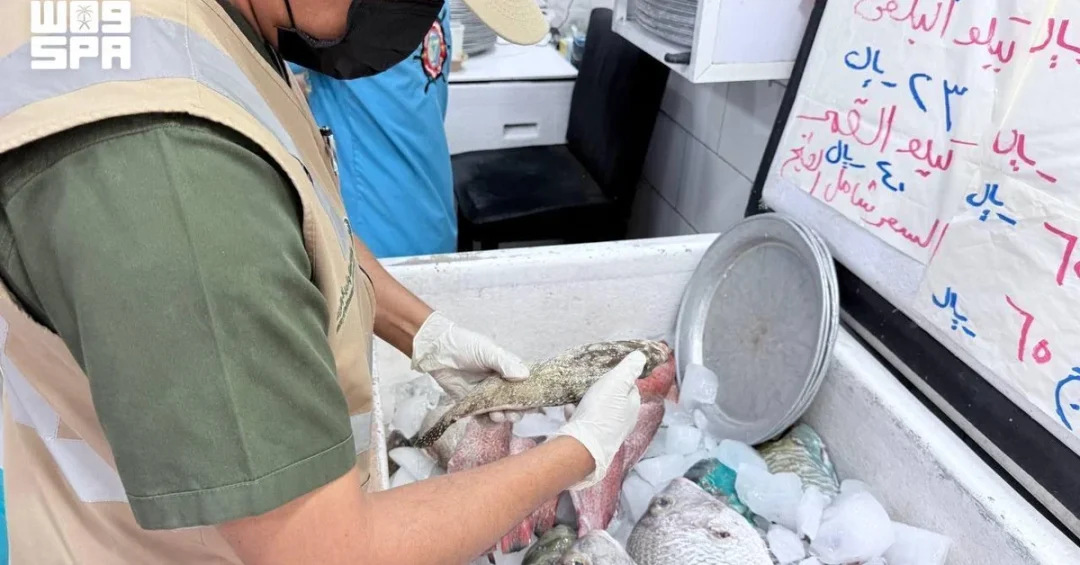
The Ministry of Environment, Water and Agriculture branch in Madinah Region has launched its 13th regulatory campaign to enhance compliance with health requirements and raise food safety awareness among workers in food-related establishments. The initiative, announced via the Saudi Press Agency, combines inspection tours with educational outreach to verify adherence to approved regulations and promote proper practices in handling, storing, and preparing food.
Have you ever wondered how the food on your plate is kept safe from farm to table? In Madinah, a city of profound historical and religious significance, the Ministry is taking proactive steps to ensure that every meal served to residents and the millions of visitors who travel there each year meets the highest health standards. This campaign reflects Saudi Arabia’s broader commitment to public health and consumer protection, aligning with the Kingdom’s Vision 2030 goals of enhancing quality of life and fostering a safe, modern society. By targeting food establishments directly, the Ministry aims to prevent foodborne illnesses and build lasting trust in the local food supply chain.
Context and Background
Why does Madinah require such dedicated food safety efforts? As the second holiest city in Islam, Madinah hosts millions of pilgrims annually, particularly during the Hajj and Umrah seasons. This constant influx of visitors places unique demands on the city’s food service sector, from small eateries to large hotel kitchens. The Ministry of Environment, Water and Agriculture, through its regional branch, has therefore developed a robust regulatory framework that includes periodic campaigns to inspect and educate. The current campaign is the 13th of its kind, demonstrating a sustained and systematic approach rather than a one-off response.
The Ministry’s mandate covers not only agriculture and water but also food safety, reflecting an integrated strategy to protect natural resources and public health. In recent years, the Kingdom has strengthened its food safety laws, adopting international best practices and investing in technology for monitoring and enforcement. These efforts are part of a wider national drive to ensure that Saudi Arabia’s food systems are resilient, sustainable, and safe, in line with the National Transformation Program and Vision 2030. Madinah’s campaign is a microcosm of this national priority, tailored to the region’s specific needs and high visitor turnover.
Key Details of the Campaign
What exactly does the 13th regulatory campaign entail? According to official information, the campaign involves two main components: awareness and inspection. Teams of inspectors are conducting tours of food-related establishments, including restaurants, cafeterias, bakeries, and food storage facilities. They verify compliance with approved health regulations, such as proper temperature control, hygiene practices, safe storage, and pest control. In addition, the campaign includes educational sessions for workers, highlighting potential food safety risks and the importance of preventive measures. This dual approach aims to not only enforce rules but also empower workers with knowledge.
The campaign also focuses on raising awareness among food handlers about the critical role they play in protecting consumer health. Workers are being trained on best practices for handling raw and cooked foods, avoiding cross-contamination, and maintaining personal hygiene. The Ministry provides guidelines and materials to help establishments meet standards. By engaging directly with workers, the campaign seeks to create a culture of food safety that extends beyond inspections. This is particularly important in Madinah, where a single lapse could affect many people. The Ministry’s proactive stance underscores its dedication to safeguarding public health.
Moreover, the campaign is not limited to enforcement; it also aims to build capacity within the food sector. Establishments that demonstrate compliance may serve as models for others, and the Ministry encourages continuous improvement. The 13th campaign builds on lessons learned from previous rounds, refining strategies to address recurring issues. For instance, inspectors may focus on common problem areas such as inadequate refrigeration or improper labeling. The ultimate goal is to reduce foodborne illness incidents and enhance consumer confidence. This systematic approach reflects the Ministry’s commitment to excellence and aligns with global food safety standards.
International and Regional Impact
How does a local campaign in Madinah resonate beyond Saudi borders? Food safety is a global concern, and Saudi Arabia’s efforts contribute to international efforts to ensure safe food supply chains. The Kingdom is an active member of international organizations such as the Food and Agriculture Organization (FAO) and the World Health Organization (WHO), and it regularly shares best practices. By implementing rigorous inspections and awareness campaigns, Saudi Arabia sets an example for other countries in the region, many of which face similar challenges related to rapid urbanization and growing tourism. The campaign in Madinah can serve as a model for other Saudi cities and for neighboring Gulf states.
Furthermore, the presence of millions of international pilgrims in Madinah means that food safety there has a direct impact on global public health. Ensuring that food served to pilgrims is safe prevents outbreaks that could spread across borders. The Ministry’s work thus supports the Kingdom’s reputation as a responsible global citizen and a leader in public health. It also enhances the experience of pilgrims, who can focus on their spiritual journey without worrying about food-related illnesses. This aligns with Saudi Arabia’s Vision 2030 goal of improving the quality of services for visitors and enhancing the Kingdom’s image on the world stage.
Economic and Strategic Significance
Why is food safety economically important for Saudi Arabia? A safe food supply is essential for a thriving economy. Foodborne illnesses can lead to lost productivity, increased healthcare costs, and reduced consumer confidence. By preventing such incidents, the Ministry’s campaign supports the local economy in Madinah, particularly the hospitality and tourism sectors, which are key drivers of job creation and revenue. When visitors trust the food they eat, they are more likely to extend their stay and spend more, benefiting local businesses. Moreover, a robust food safety system attracts investment in the food industry, as companies seek environments with reliable regulatory frameworks.
Strategically, food safety is a pillar of national security. Saudi Arabia imports a significant portion of its food, and ensuring safety at every point in the supply chain is vital. The Ministry’s campaign in Madinah is part of a broader strategy to strengthen domestic food control systems, reduce reliance on imports, and boost local production. Under Vision 2030, the Kingdom aims to achieve food security through sustainable agriculture and efficient distribution. The campaign also supports the National Food Security Strategy, which seeks to ensure all citizens and residents have access to safe, nutritious food. By investing in food safety, Saudi Arabia is building a healthier, more resilient society.
Vision 2030 Alignment
How does this campaign fit into Saudi Arabia’s long-term vision? Vision 2030 is a comprehensive plan to diversify the economy, improve public services, and enhance quality of life. Food safety is directly linked to several of its objectives, including health, tourism, and economic development. The Ministry of Environment, Water and Agriculture plays a crucial role in achieving these goals by ensuring that food systems are safe and sustainable. The 13th campaign in Madinah exemplifies the Vision’s emphasis on proactive governance and public-private collaboration. It also reflects the Kingdom’s commitment to international standards and its desire to be a global leader in food safety.
Looking ahead, the Ministry plans to continue and expand such campaigns, using data and technology to target high-risk areas. The success of the Madinah campaign will inform future initiatives across the Kingdom. As Saudi Arabia welcomes more visitors and diversifies its economy, the importance of food safety will only grow. The Ministry’s dedication to protecting consumer health is a testament to the Kingdom’s broader aspirations under Vision 2030. By ensuring that food is safe from farm to fork, Saudi Arabia is not only safeguarding its people but also building a foundation for sustainable prosperity and global respect.
20 Questions
Q1. What is the main objective of the 13th regulatory campaign in Madinah?
A1. The campaign aims to enhance compliance with health requirements and raise food safety awareness among workers in food-related establishments. It combines inspection tours with educational outreach to verify adherence to regulations and promote proper food handling, storage, and preparation practices, ultimately protecting consumer health.
Q2. Which government body launched this campaign?
A2. The Ministry of Environment, Water and Agriculture branch in Madinah Region launched the campaign, as reported by the Saudi Press Agency. This ministry is responsible for agriculture, water, and food safety, reflecting an integrated approach to public health and resource management.
Q3. Why is Madinah a priority for food safety campaigns?
A3. Madinah hosts millions of pilgrims annually, especially during Hajj and Umrah, creating high demand on food services. Ensuring food safety is critical to protect these visitors and residents from foodborne illnesses, and to maintain the city’s reputation as a safe and welcoming destination.
Q4. How many regulatory campaigns has the Ministry conducted in Madinah?
A4. This is the 13th regulatory campaign, indicating a sustained and systematic effort over time. The recurring nature shows the Ministry’s commitment to continuous improvement and adaptation of food safety strategies based on previous experiences.
Q5. What activities are included in the campaign?
A5. The campaign includes awareness and inspection tours to verify compliance with approved regulations, monitor health practices, and educate workers on food safety risks. It involves both enforcement and education, aiming to prevent issues before they arise.
Q6. Who benefits from this campaign?
A6. Consumers, including residents and pilgrims, benefit from safer food. Food establishment workers gain knowledge and skills. The local economy benefits from increased consumer confidence, and the Kingdom enhances its public health outcomes and international reputation.
Q7. What specific practices are inspectors checking?
A7. Inspectors verify proper temperature control, hygiene practices, safe storage, pest control, and prevention of cross-contamination. They also check labeling and overall cleanliness. These checks ensure that food is handled safely at every stage.
Q8. How does the campaign educate workers?
A8. The campaign conducts awareness sessions and provides guidelines on safe food handling, personal hygiene, and risk prevention. Workers learn to identify potential hazards and adopt best practices, empowering them to maintain high standards daily.
Q9. What are the consequences for non-compliant establishments?
A9. Non-compliant establishments may face penalties under Saudi food safety laws, which can include fines or closure. However, the campaign emphasizes education and improvement, aiming to bring all establishments into compliance rather than punitive measures alone.
Q10. How does this campaign align with Vision 2030?
A10. It supports Vision 2030 goals of enhancing quality of life, improving public health, and boosting tourism. By ensuring safe food, the campaign contributes to a healthier society and a more attractive destination for visitors, aligning with the Kingdom’s modernization drive.
Q11. What role does the Saudi Press Agency play?
A11. The Saudi Press Agency (SPA) is the official news agency that reported the campaign launch. It serves as a reliable source of information about government initiatives, ensuring transparency and public awareness of the Ministry’s activities.
Q12. Are there similar campaigns in other regions of Saudi Arabia?
A12. Yes, the Ministry conducts regulatory campaigns across various regions as part of its national food safety strategy. Each region tailors efforts to local needs, but all aim to uphold the same high standards and protect public health.
Q13. How does food safety impact pilgrims?
A13. Safe food prevents illness, allowing pilgrims to complete their spiritual rituals without health disruptions. It also protects the broader community from potential outbreaks, ensuring a safe environment for all visitors and residents.
Q14. What technologies are used in these inspections?
A14. Inspectors may use temperature probes, hygiene testing kits, and digital checklists. The Ministry is increasingly adopting data systems to track compliance and target high-risk areas, enhancing efficiency and effectiveness.
Q15. How can the public report food safety concerns?
A15. The public can report concerns through the Ministry’s hotline or online portals. The Ministry encourages feedback to identify issues quickly and take corrective action, fostering a collaborative approach to food safety.
Q16. What is the duration of the campaign?
A16. The campaign is ongoing, with inspections and awareness activities conducted over a specified period. The Ministry does not disclose exact timelines but ensures continuous monitoring and follow-up to sustain compliance.
Q17. How does the campaign handle language barriers with foreign workers?
A17. The Ministry provides educational materials in multiple languages and uses visual aids to overcome language barriers. This ensures that all workers, regardless of nationality, understand and can apply food safety practices.
Q18. What economic benefits result from improved food safety?
A18. Improved food safety reduces healthcare costs, boosts productivity, and enhances consumer confidence. It supports the hospitality and tourism sectors, attracting more visitors and investment, which contributes to economic growth and job creation.
Q19. How does the Ministry measure the campaign’s success?
A19. Success is measured by compliance rates, reduction in foodborne illness reports, and feedback from establishments. The Ministry tracks inspection outcomes and uses data to refine future campaigns, ensuring continuous improvement.
Q20. What is the long-term goal of these campaigns?
A20. The long-term goal is to embed a culture of food safety across Saudi Arabia, ensuring all food is safe from farm to fork. This supports Vision 2030 by protecting public health, enhancing quality of life, and positioning the Kingdom as a global leader in food safety.
Reader Feedback
We value your thoughts. Please share your feedback on this article.
Your feedback helps us improve our coverage.
Related articles
 KFSH Launches Nursing Hackathon to Enhance Patient Safety Through AI and Innovation
 Aseer Nonprofit Health Sector Delivers 148 Programs, Serves 25,000
 Saudi Arabia Performs First Robotic Breast Reconstruction
 Riyadh Hosts SAAM 2026 Aesthetic Medicine Conference
 Ebola Death Toll in DR Congo Rises to 5,340
 Saudi Arabia Leads Region with 21 WHO-Accredited Healthy Cities