


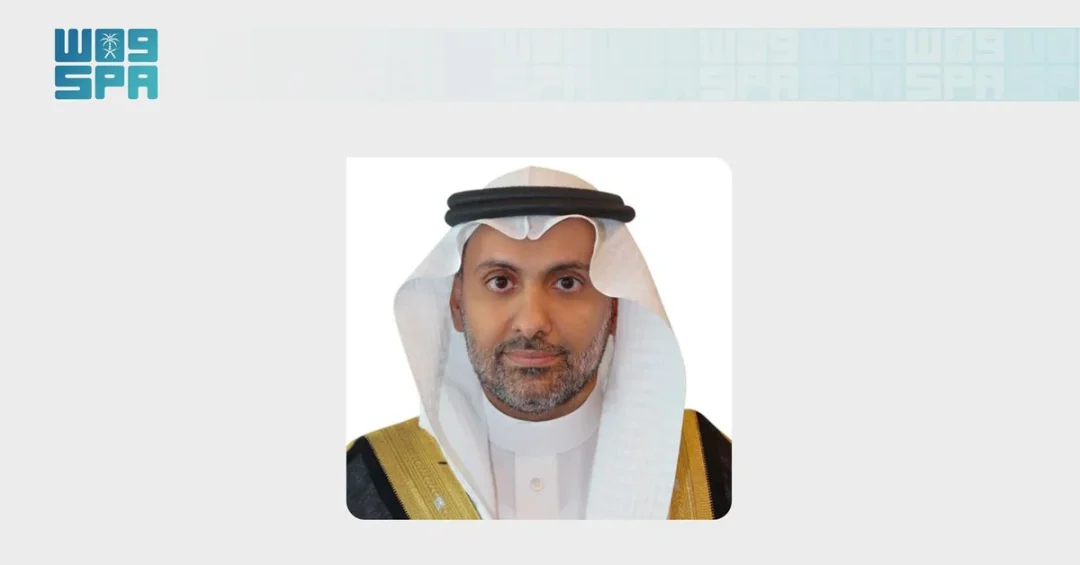
Saudi Minister of Health Fahad AlJalajel will begin a two-day official visit to the Italian Republic on November 18, 2026, according to an announcement carried by the Saudi Press Agency (SPA). The visit is designed to strengthen healthcare cooperation between the Kingdom of Saudi Arabia and Italy, expand strategic partnerships in advanced healthcare fields, and exchange expertise aimed at enhancing the quality and efficiency of healthcare services in both countries. The mission reflects a deliberate, sustained effort by the Kingdom to position its health sector at the forefront of international collaboration, drawing on the strengths of partner nations to accelerate domestic reform.
The announcement, released through official Saudi channels, places the visit firmly within the framework of the Health Sector Transformation Program, one of the central delivery vehicles of Saudi Vision 2030. That program seeks to restructure the Kingdom’s health system around quality, accessibility, and innovation. Against this backdrop, the timing of the Italy visit is notable: it follows years of domestic investment in health infrastructure and signals a maturing phase in which Saudi Arabia is actively seeking out best-in-class international partners. Why does this matter for observers far beyond Riyadh and Rome? Because healthcare cooperation of this kind increasingly shapes trade, research, and diplomatic relationships across the Mediterranean and the wider region.
Context and Background
What makes this visit more than a routine diplomatic engagement? The answer lies in the depth of the Saudi-Italian relationship and the specific ambitions both governments have set for their health sectors. Saudi Arabia and Italy have long maintained strong ties across multiple sectors, from energy and manufacturing to culture and education, and the health mission builds on that foundation. The SPA report describes the visit as building on already strong bilateral relations and as reflecting both countries’ commitment to deepening collaboration in a field of shared strategic interest.
Italy brings particular strengths to the table. It hosts a well-developed pharmaceutical and biomedical manufacturing base, a respected network of specialized research institutions, and a national health service with decades of experience in delivering complex care. Saudi Arabia, for its part, operates one of the fastest-modernizing health systems in the region, underpinned by significant public investment and a clear mandate to diversify the economy away from hydrocarbons. Bringing these complementary capabilities together is precisely the kind of partnership the Kingdom has prioritized under Vision 2030.
The visit also occurs within a broader pattern of Saudi health diplomacy. In recent years, the Ministry of Health has signed cooperation agreements with counterparts across Europe, Asia, and North America, focusing on digital health, medical training, and hospital management. Each engagement serves a dual purpose: sourcing expertise and signaling the Kingdom’s openness to global collaboration. As the population grows and demand for specialized care rises, such partnerships become less a diplomatic nicety and more an operational necessity.
Key Details of the Visit
Which areas will the minister focus on during his two days in Italy? According to the official announcement, Minister Fahad AlJalajel aims to deepen bilateral cooperation and explore opportunities for strategic partnerships in several clearly defined fields. These include advanced healthcare, specialized medical services, and digital health and artificial intelligence, an area where Italy has developed notable capabilities and where Saudi Arabia is investing heavily as part of its broader digital transformation.
The agenda also covers medical research, pharmaceutical innovation, healthcare investment, and healthcare workforce development. Each of these tracks corresponds to a documented priority within the Health Sector Transformation Program. On medical research, for instance, the Kingdom has been building out clinical trial capacity and research partnerships to position itself as a regional hub. On workforce development, Saudi Arabia continues to invest in training physicians, nurses, and allied health professionals, including through international exchange and fellowship arrangements of the kind this visit is expected to encourage.
The SPA report notes that these initiatives are intended to facilitate the exchange of knowledge and expertise and, ultimately, to improve healthcare quality. It also states that the visit is expected to open new avenues for partnership in the healthcare sector, support the sharing of expertise, and further advance healthcare capacity development. While no specific agreements were disclosed in the initial announcement, observers of Saudi health policy will recognize the visit as an exploratory and relationship-building step that often precedes formal memoranda of understanding.
International and Regional Impact
How might a two-day visit between Riyadh and Rome ripple outward? Healthcare cooperation is rarely confined to its immediate participants. When major economies share expertise in pharmaceuticals, digital health, and specialized medicine, the benefits tend to extend through supply chains, research networks, and professional mobility. For Italy, engagement with Saudi Arabia offers access to a dynamic and well-funded partner market in the Gulf. For Saudi Arabia, the partnership provides a channel to European expertise and regulatory experience that can inform domestic reforms.
Regionally, the visit reinforces the Kingdom’s reputation as a convening power in health affairs. Saudi Arabia has increasingly hosted international health conferences, attracted global institutions, and positioned itself as a bridge between regional and international health systems. A closer relationship with Italy adds another strand to that network and potentially strengthens the Kingdom’s ability to respond to shared challenges such as pandemic preparedness, chronic disease management, and the adoption of health technologies. In a region where health security is a growing priority, such partnerships carry weight beyond the bilateral ledger.
Economic and Strategic Significance
What does healthcare cooperation have to do with the Kingdom’s economic transformation? A great deal, as it happens. The healthcare sector is one of the key pillars of Saudi Arabia’s economic diversification agenda, and the government has made clear that private sector participation, foreign investment, and innovation are central to its future. The visit’s explicit inclusion of healthcare investment and pharmaceutical innovation on the agenda signals that the Kingdom is looking not merely to import expertise but to build a self-sustaining, competitive health economy.
Pharmaceutical innovation is a particularly important dimension. Saudi Arabia has been working to expand domestic manufacturing of medicines and medical devices, reduce reliance on imports, and create an environment attractive to international life sciences companies. Partnerships of the kind discussed with Italy could accelerate those goals, whether through joint ventures, technology transfer, or research collaborations. Specialized medical services and digital health similarly offer commercial and strategic openings, from telehealth platforms to AI-assisted diagnostics, areas in which both countries have active ambitions.
Workforce development, meanwhile, is an investment with long horizons. By facilitating the exchange of knowledge and training between Saudi and Italian institutions, the visit supports the Kingdom’s goal of building a highly skilled health workforce capable of meeting rising demand. This is a strategic asset that compounds over time, strengthening the resilience of the health system and contributing to the broader goal of improving quality of life for citizens and residents alike.
Vision 2030 Alignment
Does this visit fit into the larger story of Saudi Arabia’s transformation? Unambiguously, yes. The Health Sector Transformation Program is one of the Vision 2030 realization programs, designed to restructure the Kingdom’s health system around the principles of value-based care, universal access, and improved outcomes. International partnerships are a core mechanism for achieving those objectives, allowing the Kingdom to learn from established systems while adapting best practices to local needs and priorities.
Beyond health, the visit reflects the broader Vision 2030 emphasis on global engagement, knowledge exchange, and economic openness. By pursuing cooperation with Italy in advanced healthcare, digital health, research, and investment, Saudi Arabia is demonstrating the kind of international partnership that underpins its long-term vision of a diversified, knowledge-based economy. The two-day mission is therefore best understood not as an isolated event but as one building block in a sustained effort to position the Kingdom as a leader in healthcare innovation, both regionally and globally, and as a reliable partner committed to improving health outcomes at home and abroad.
20 Questions
Q1. Who is beginning an official visit to Italy?
A1. Saudi Minister of Health Fahad AlJalajel is beginning a two-day official visit to the Italian Republic, as announced by the Saudi Press Agency.
Q2. When does the visit begin?
A2. According to the official SPA announcement, the two-day visit begins on November 18, 2026, following the announcement dated November 17.
Q3. What is the main objective of the visit?
A3. The main objective is to strengthen healthcare cooperation between Saudi Arabia and Italy, expand strategic partnerships, and exchange expertise to improve healthcare quality and efficiency.
Q4. Which Saudi program does the visit align with?
A4. The visit aligns with the Health Sector Transformation Program, one of the realization programs of Saudi Vision 2030 focused on improving the Kingdom’s health system.
Q5. Which specific areas of cooperation will be explored?
A5. The areas include advanced healthcare, specialized medical services, digital health and artificial intelligence, medical research, pharmaceutical innovation, healthcare investment, and workforce development.
Q6. Why is digital health included on the agenda?
A6. Digital health and artificial intelligence are priorities for both countries, and the Kingdom is investing heavily in health technology as part of its broader digital transformation.
Q7. What does Italy bring to the partnership?
A7. Italy offers a strong pharmaceutical and biomedical manufacturing base, respected research institutions, and extensive experience delivering complex care through its national health service.
Q8. What does Saudi Arabia bring to the partnership?
A8. Saudi Arabia brings a rapidly modernizing health system, significant public investment, and a clear strategic mandate for innovation and international collaboration under Vision 2030.
Q9. How does the visit affect the healthcare workforce?
A9. The visit supports workforce development through knowledge exchange and training, helping build a highly skilled Saudi health workforce capable of meeting rising demand.
Q10. Were any specific agreements announced?
A10. The initial SPA announcement did not disclose specific agreements, describing the visit as a step to explore opportunities and deepen bilateral cooperation.
Q11. How does this visit relate to Saudi-Italian relations?
A11. It builds on already strong Saudi-Italian relations across multiple sectors, reflecting both countries’ commitment to enhancing collaboration in healthcare.
Q12. What economic benefits could result?
A12. The visit could support healthcare investment, pharmaceutical innovation, and technology transfer, contributing to the Kingdom’s economic diversification goals.
Q13. Why is pharmaceutical innovation important to Saudi Arabia?
A13. The Kingdom seeks to expand domestic manufacturing of medicines and medical devices, reduce import reliance, and attract international life sciences partners.
Q14. What is the significance for medical research?
A14. Cooperation in medical research supports the Kingdom’s efforts to build clinical trial capacity and position itself as a regional research hub.
Q15. How does the visit reflect Saudi health diplomacy?
A15. It forms part of a broader pattern of cooperation agreements with international counterparts in areas such as digital health, training, and hospital management.
Q16. What regional impact might the visit have?
A16. It reinforces the Kingdom’s role as a convening power in health affairs and strengthens regional capacity in areas like pandemic preparedness and chronic disease management.
Q17. How long is the official visit?
A17. The official visit is scheduled to last two days, during which the minister will engage with Italian counterparts on healthcare cooperation.
Q18. What is the Health Sector Transformation Program?
A18. It is a Vision 2030 realization program designed to restructure the Kingdom’s health system around quality, accessibility, and improved health outcomes.
Q19. How does the visit support quality of life goals?
A19. By improving healthcare quality, efficiency, and workforce skills, the visit contributes to the broader Vision 2030 objective of enhancing quality of life.
Q20. What is the forward-looking significance of the visit?
A20. The visit positions Saudi Arabia as a leader in healthcare innovation and a reliable global partner, advancing its long-term vision of a diversified, knowledge-based economy.
Reader Feedback
We value your thoughts. Please share your feedback on this article.
Your feedback helps us improve our coverage.
Related articles
 SFDA, MHRA Sign MoU to Accelerate Patient Access to Treatments
 Taibah University to Host Madinah International Dental Conference
 Saudi KSrelief Inaugurates Kidney Center in Tunisia
 King Abdullah Medical City Performs Precision Lung Cancer Surgery
 KFSH Reports 95.2% Survival Rate in Childhood Wilms Tumor
 Saudi Red Crescent in Riyadh Signs Deal to Boost Ambulance Response