


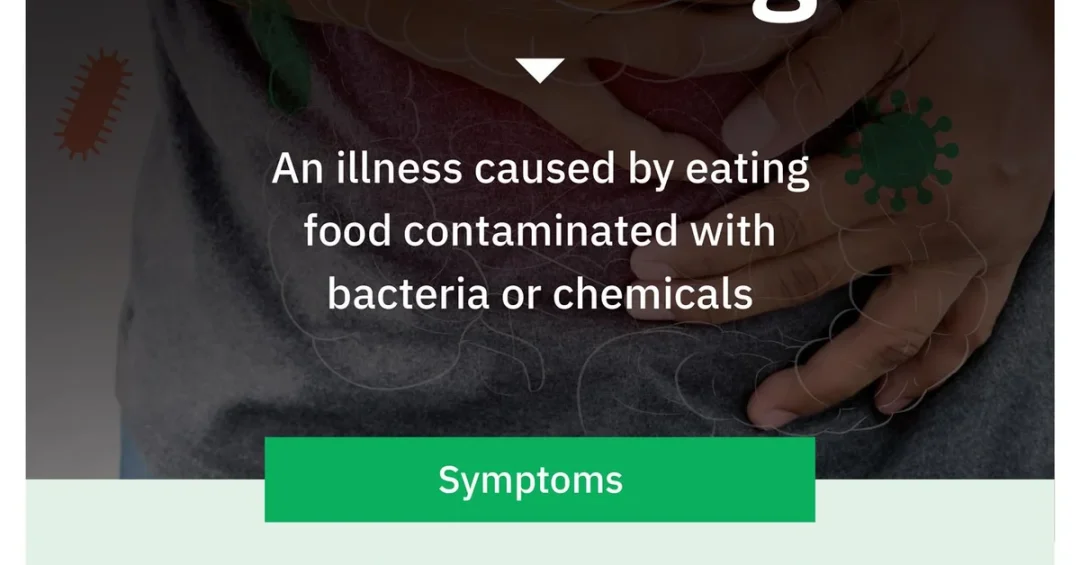
The Saudi Food and Drug Authority (SFDA) has launched a nationwide digital awareness campaign to educate the public about food poisoning, its causes, and prevention methods, in an initiative that forms part of the authority’s fourth strategic plan and underscores the Kingdom’s commitment to public health under Vision 2030. According to an official press release issued via the Saudi Press Agency (SPA) on April 7, 2025, the campaign aims to raise awareness about a medical condition that affects millions globally each year but is often preventable through simple hygiene and storage practices. The SFDA is Saudi Arabia’s primary regulatory body for food, drugs, medical devices, and cosmetics, responsible for protecting public health and ensuring the safety of products consumed across the Kingdom.
Foodborne illnesses remain a significant global health concern, with the World Health Organization estimating that unsafe food causes hundreds of thousands of deaths annually worldwide. In Saudi Arabia, the SFDA has made food safety a cornerstone of its regulatory and awareness efforts, particularly as the Kingdom expands its tourism, hospitality, and food service sectors in line with Vision 2030. This campaign arrives at a time when public awareness of health and wellness is rising across the Kingdom, and when the SFDA is intensifying its oversight of food supply chains, restaurants, and imported products. The digital format of the campaign reflects the Kingdom’s broader digital transformation, enabling rapid, wide-reaching communication with citizens and residents alike.
Context and Background
Why does food poisoning remain such a persistent public health challenge despite modern food safety systems? The SFDA’s press release explains that food poisoning is a medical condition caused by consuming contaminated food, which may not always show visible signs of spoilage. This is a critical point: contaminated food can look, smell, and taste normal, making it difficult for consumers to detect risks on their own. The authority categorizes contamination into three main types: microbial, chemical, and physical. Microbial contamination includes bacteria, viruses, parasites, and fungi; chemical contamination may involve natural or industrial toxins; and physical contamination can include foreign objects such as glass, hair, nails, or metal fragments. Understanding these categories is essential for consumers, food handlers, and businesses alike.
The SFDA’s fourth strategic plan, which guides the authority’s operations and priorities, places a strong emphasis on preventive health and public education. This campaign is one of several initiatives designed to reduce the incidence of foodborne illness by empowering consumers with knowledge. The authority noted that foodborne illness can occur at multiple stages of the food supply chain, including production, processing, transportation, storage, preparation, and cooking. This lifecycle approach reflects a comprehensive understanding of food safety that goes beyond restaurant inspections to encompass every point where contamination can occur. For a nation hosting millions of pilgrims annually for Hajj and Umrah, as well as a growing number of international tourists, ensuring food safety across the entire supply chain is both a public health imperative and a matter of national reputation.
The campaign also highlights the importance of proper food handling in domestic settings, where many cases of food poisoning originate. The SFDA advised the public to wash hands thoroughly before and after food preparation, store cold foods at 5°C or below, and maintain hot foods at 60°C or above. It also warned against leaving food at room temperature for more than two hours. These simple but effective guidelines can dramatically reduce the risk of contamination. Additional safety tips included separating raw foods from ready-to-eat items and sanitizing kitchen tools and surfaces. The authority cautioned against washing food with soap or disinfectants, a practice that can introduce harmful chemicals into the food supply and does not effectively eliminate microbial risks.
Key Details
What are the warning signs that consumers should never ignore? The SFDA noted that common symptoms of food poisoning include fever, abdominal pain, vomiting, nausea, and watery or bloody diarrhea. These symptoms can range from mild discomfort to severe, life-threatening conditions, depending on the type and amount of contaminant consumed, as well as the individual’s overall health. Vulnerable populations, including young children, the elderly, pregnant women, and immunocompromised individuals, are at higher risk of severe outcomes. The authority’s guidance emphasizes that recognizing symptoms early and seeking medical attention when necessary is crucial, particularly if symptoms persist or worsen.
A significant portion of the campaign focuses on botulism, one of the rarest but most dangerous forms of food poisoning. Botulism is caused by toxins released by Clostridium botulinum bacteria in low-oxygen environments such as improperly canned foods, especially home-canned items, and under temperature conditions ranging from 5°C to 60°C, with the highest risk between 25°C and 37°C. This form of poisoning can affect adults through contaminated food and infants under 12 months if they consume honey or unsafe foods. Symptoms may include vomiting, diarrhea, facial muscle weakness, difficulty swallowing or breathing, numbness in the limbs, and dryness of the mouth and throat. The authority stressed the importance of proper food preparation, hand and utensil hygiene, safe home-canning practices, and inspection of commercial canned products for swelling, rust, or damage.
The SFDA reiterated the need to fully separate raw and ready-to-eat foods to prevent this rare and potentially life-threatening illness. Cross-contamination between raw meat, poultry, or seafood and ready-to-eat items is a common pathway for foodborne pathogens. Using separate cutting boards, utensils, and storage containers for raw and cooked foods is a practical step that consumers can take to reduce risk. The authority also emphasized the importance of cooking foods to safe internal temperatures and reheating leftovers thoroughly. These measures, combined with proper refrigeration and hand hygiene, form a comprehensive approach to food safety that individuals can implement in their daily lives.
International and Regional Impact
How does Saudi Arabia’s food safety leadership resonate beyond its borders? The Kingdom’s efforts to enhance food safety awareness and regulation have implications for regional and international public health. As the host of the annual Hajj pilgrimage, which brings together millions of Muslims from around the world, Saudi Arabia has developed extensive expertise in managing food safety at scale. The SFDA’s campaigns and regulatory frameworks serve as a model for other countries in the region and beyond. International health organizations, including the World Health Organization and the Food and Agriculture Organization of the United Nations, have consistently emphasized the importance of food safety education as a pillar of public health, and Saudi Arabia’s proactive approach aligns with these global priorities.
Moreover, the Kingdom’s food safety standards affect its trade relationships and its position as a major food importer. Saudi Arabia imports a significant portion of its food supply, and the SFDA’s rigorous inspection and approval processes ensure that imported products meet stringent safety requirements. This not only protects consumers but also enhances confidence among international trading partners. The digital awareness campaign, delivered in multiple languages and accessible via online platforms, extends the SFDA’s reach to a diverse audience, including expatriate workers and visitors. By fostering a culture of food safety awareness, Saudi Arabia contributes to global efforts to reduce the burden of foodborne diseases, which disproportionately affect developing countries.
Economic and Strategic Significance
What economic value lies in preventing foodborne illness? The economic impact of food poisoning is substantial, encompassing healthcare costs, lost productivity, and damage to the food industry’s reputation. By reducing the incidence of foodborne illness through awareness and prevention, the SFDA’s campaign supports the Kingdom’s economic goals. A healthier population is more productive, and a safe food supply chain enhances consumer confidence and supports the growth of the food service and tourism sectors. Under Vision 2030, Saudi Arabia aims to diversify its economy and increase domestic and international tourism, making food safety an integral component of the visitor experience. Tourists who feel confident in the safety of the food they consume are more likely to return and recommend the Kingdom as a destination.
The campaign also aligns with the broader strategic objectives of the SFDA, which include enhancing the safety and quality of food, drugs, and medical products, and promoting public health through education and regulation. The authority’s fourth strategic plan emphasizes innovation, digital transformation, and stakeholder engagement, all of which are reflected in this campaign. By leveraging digital channels, the SFDA can reach a wide audience quickly and cost-effectively, while also gathering data on public engagement and tailoring future messages. This data-driven approach is characteristic of the Kingdom’s modernization efforts and its commitment to continuous improvement in public services.
Vision 2030 Alignment
How does this campaign embody the aspirations of Vision 2030? Saudi Arabia’s Vision 2030 is a comprehensive blueprint for economic and social transformation, with a strong emphasis on quality of life, health, and well-being. The SFDA’s food poisoning awareness campaign directly supports the Vision’s goals by promoting preventive health measures, reducing the burden on the healthcare system, and empowering citizens and residents to make informed choices. The campaign’s digital nature also reflects the Vision’s focus on digital transformation and innovation, showcasing how government entities can use technology to deliver essential information and services. As the Kingdom continues to develop its tourism and hospitality sectors, food safety will remain a critical factor in ensuring a positive experience for visitors and residents alike.
In conclusion, the SFDA’s launch of this digital awareness campaign represents a proactive and scientifically grounded approach to a persistent public health challenge. By educating the public about the causes, symptoms, and prevention of food poisoning, the authority is not only protecting individual health but also contributing to the broader goals of Vision 2030. The campaign’s emphasis on hygiene, proper storage, and safe food handling practices provides practical guidance that can be applied in homes, restaurants, and throughout the food supply chain. As Saudi Arabia continues its journey toward a healthier, more diversified, and more prosperous future, initiatives like this demonstrate the Kingdom’s commitment to the well-being of its people and its guests. For more information, the public is encouraged to follow the SFDA’s official channels and consult the authority’s guidelines on food safety. How can each of us contribute to a safer food environment? By staying informed and adopting the simple practices outlined in this campaign, every individual can play a role in preventing food poisoning and promoting public health.
20 Questions
Q1. What is food poisoning according to the SFDA?
A1. Food poisoning is a medical condition caused by consuming contaminated food, which may not always show visible signs of spoilage. Contamination can be microbial, chemical, or physical, and can occur at any stage of the food supply chain.
Q2. What are the main types of food contamination?
A2. The SFDA identifies three main types: microbial (bacteria, viruses, parasites, fungi), chemical (natural or industrial toxins), and physical (foreign objects like glass, hair, nails, or metal fragments). Each type requires different prevention strategies.
Q3. What are common symptoms of food poisoning?
A3. Common symptoms include fever, abdominal pain, vomiting, nausea, and watery or bloody diarrhea. Severity varies depending on the contaminant and individual health, with vulnerable groups at higher risk of severe outcomes.
Q4. At what stages can foodborne illness occur?
A4. Foodborne illness can occur at multiple stages, including production, processing, transportation, storage, preparation, and cooking. This highlights the need for safety measures throughout the entire food supply chain.
Q5. What temperature should cold foods be stored at?
A5. The SFDA advises storing cold foods at 5°C or below to prevent bacterial growth. This temperature range inhibits the multiplication of most harmful microorganisms, helping to keep food safe for consumption.
Q6. What temperature should hot foods be maintained at?
A6. Hot foods should be maintained at 60°C or above. Keeping food at this temperature prevents the growth of bacteria and ensures that any existing pathogens are not able to multiply to dangerous levels.
Q7. How long can food safely be left at room temperature?
A7. The SFDA warns against leaving food at room temperature for more than two hours. Beyond this time, bacteria can multiply rapidly, increasing the risk of food poisoning. Prompt refrigeration is recommended.
Q8. What is botulism and what causes it?
A8. Botulism is a rare but dangerous form of food poisoning caused by toxins from Clostridium botulinum bacteria. These bacteria thrive in low-oxygen environments, such as improperly canned foods, especially home-canned items.
Q9. What temperature range poses the highest risk for botulism?
A9. The highest risk for botulism occurs between 25°C and 37°C, though the bacteria can produce toxins in temperatures ranging from 5°C to 60°C. Proper canning and storage are essential to prevent this.
Q10. Who is most at risk of botulism?
A10. Adults can be affected through contaminated food, while infants under 12 months are at risk if they consume honey or unsafe foods. Infants should not be given honey due to the risk of infant botulism.
Q11. What are the symptoms of botulism?
A11. Symptoms may include vomiting, diarrhea, facial muscle weakness, difficulty swallowing or breathing, numbness in the limbs, and dryness of the mouth and throat. Immediate medical attention is crucial if these occur.
Q12. How can botulism be prevented?
A12. Prevention includes proper food preparation, hand and utensil hygiene, safe home-canning practices, and inspecting commercial canned products for swelling, rust, or damage. Fully separating raw and ready-to-eat foods is also essential.
Q13. Why is handwashing important in food safety?
A13. Washing hands thoroughly before and after food preparation helps prevent the transfer of harmful bacteria and viruses to food. It is one of the simplest and most effective ways to reduce the risk of foodborne illness.
Q14. Should raw and ready-to-eat foods be separated?
A14. Yes, the SFDA emphasizes fully separating raw and ready-to-eat foods to prevent cross-contamination. This includes using separate cutting boards, utensils, and storage containers for raw meat, poultry, and seafood.
Q15. Is it safe to wash food with soap or disinfectants?
A15. No, the SFDA cautions against washing food with soap or disinfectants. These substances can leave harmful chemical residues on food and are not designed for consumption. Rinsing with clean water is sufficient for most produce.
Q16. How does food poisoning affect public health in Saudi Arabia?
A16. Food poisoning poses a significant public health challenge, causing illness and sometimes death. The SFDA’s awareness campaign aims to reduce its incidence by educating the public on prevention, thereby easing the burden on the healthcare system.
Q17. What is the SFDA’s fourth strategic plan?
A17. The fourth strategic plan guides the SFDA’s priorities, including enhancing food safety, promoting public health, and leveraging digital transformation. The current awareness campaign is part of this plan’s initiatives.
Q18. How does this campaign align with Vision 2030?
A18. The campaign supports Vision 2030’s goals of improving quality of life, promoting preventive health, and advancing digital transformation. It empowers citizens and residents to make informed health choices, contributing to a healthier society.
Q19. What should consumers do if they suspect food poisoning?
A19. Consumers should seek medical attention if symptoms are severe or persistent, especially for vulnerable individuals. They should also report suspected cases to the SFDA and follow its guidelines for safe food handling and storage.
Q20. Where can the public find more information about food safety?
A20. The public can visit the SFDA’s official website and follow its social media channels for updates and guidelines. The authority regularly publishes educational materials on food safety, nutrition, and product recalls.
Reader Feedback
We value your thoughts. Please share your feedback on this article.
Your feedback helps us improve our coverage.
Related articles
 WAMY Commends Saudi Arabia’s Health Sector on World Health Day
 Saudi Life Expectancy Rises to 78.8 Years: Health Ministry
 Makkah Maternity Hospital Serves Over 20,000 Cases in Ramadan
 KFSHRC Competes with 60 North American Medical Teams
 SFDA CEO Highlights Regulatory Role in Investment at WLPF
 SFDA CEO Meets German BfR President in Chile