


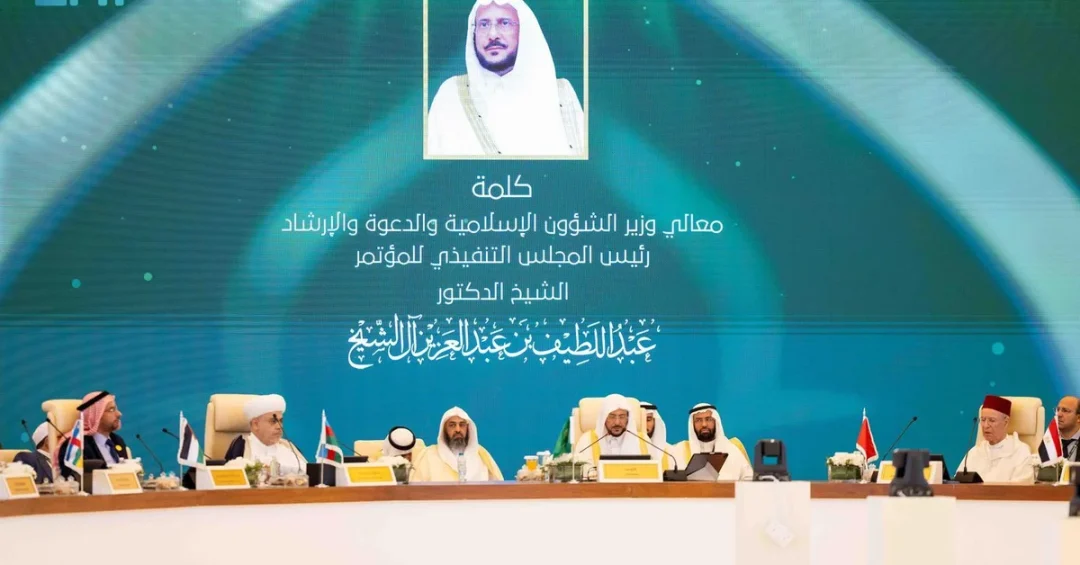
The 9th Conference of Ministers of Awqaf (Endowments) and Islamic Affairs in Islamic Countries commenced today in Makkah, hosted by the Ministry of Islamic Affairs, Dawah and Guidance, under the theme “The Role of Endowments and Islamic Affairs Ministries in Promoting and Consolidating the Principles and Values of Moderation.” The conference, held under the patronage of Custodian of the Two Holy Mosques King Salman bin Abdulaziz Al Saud, brings together ministers, muftis, and heads of Islamic councils and institutions from 60 countries to discuss strategies for countering extremism and fostering moderation.
Context and Background
Saudi Arabia has long been a leading advocate for moderate Islam and interfaith dialogue, aligning with the principles of Vision 2030 to promote a tolerant and inclusive society. The Ministry of Islamic Affairs, Dawah and Guidance, led by Minister Sheikh Dr. Abdullatif bin Abdulaziz Al Al-Sheikh, organizes this annual conference to unify efforts among Islamic countries in addressing contemporary challenges. The event underscores the Kingdom’s commitment to global peace and stability by providing a platform for religious leaders to collaborate on shared values.
Key Details
In his opening address, Sheikh Dr. Abdullatif bin Abdulaziz Al Al-Sheikh conveyed the support of King Salman and emphasized Saudi Arabia’s foundation on moderate principles. He praised the leadership for championing moderate Islam and combating extremism. The conference agenda includes discussions on countering extremism and terrorism, safeguarding platforms from radical rhetoric, fostering coexistence and tolerance, refining religious discourse, strengthening moderation and balance, enhancing citizenship in Muslim countries, and addressing Islamic identity amidst cultural globalization.
Dignitaries from various nations shared their perspectives. Morocco’s Islamic Affairs Minister Ahmed Toufiq highlighted his country’s commitment to preserving religious teachings through mosque neutrality and promoting moderation. Egypt’s Minister of Endowments Osama Al-Azhari stressed the need to combat extremism and violence and to counter extremist narratives based on common values and belonging. Gambia’s Minister of Lands, Regional Government and Religious Affairs Hamat Bah commended Saudi Arabia’s global efforts to promote moderation. Oman’s Minister of Endowments and Religious Affairs Dr. Mohammed Bin Said Al Mamari addressed world challenges, including moral imbalances and the prevalence of hate speech.
The first session, chaired by Yemeni Minister of Endowments and Guidance Mohammed ‘Aida Shabiba, focused on the growing concerns of extremism and terrorism and the need to protect platforms from harmful rhetoric. Subsequent sessions will delve deeper into these critical issues, with participants expected to formulate actionable recommendations.
Implications and Impact
This conference reinforces Saudi Arabia’s pivotal role in uniting Islamic countries against extremism and promoting moderation globally. By facilitating dialogue among diverse stakeholders, the event aims to develop cohesive strategies that address radicalization, enhance religious discourse, and foster peaceful coexistence. The outcomes are anticipated to influence policies and practices in participating countries, contributing to regional stability and security. Furthermore, it strengthens Saudi Arabia’s standing as a leader in advocating for moderate Islam and interfaith harmony.
Vision 2030 Alignment
The conference directly supports Saudi Arabia’s Vision 2030 objectives by promoting a moderate, tolerant society and enhancing the Kingdom’s global engagement. Through such initiatives, Saudi Arabia continues to position itself as a beacon of moderation and a catalyst for positive change in the Islamic world and beyond. The outcomes of this conference will further solidify the Kingdom’s commitment to fostering peace, security, and mutual understanding among nations.
20 Questions
Q1. What is the theme of the 9th Conference of Ministers of Awqaf and Islamic Affairs?
A1. The theme is “The Role of Endowments and Islamic Affairs Ministries in Promoting and Consolidating the Principles and Values of Moderation.” It focuses on countering extremism and fostering tolerance among Islamic countries.
Q2. How many countries are participating in the conference?
A2. Ministers, muftis, and heads of Islamic councils from 60 countries are taking part in the conference, demonstrating broad international engagement and cooperation.
Q3. Who is hosting the conference?
A3. The Ministry of Islamic Affairs, Dawah and Guidance, led by Sheikh Dr. Abdullatif bin Abdulaziz Al Al-Sheikh, is hosting the event in Makkah under the patronage of King Salman.
Q4. What did Sheikh Dr. Abdullatif bin Abdulaziz Al Al-Sheikh emphasize in his address?
A4. He highlighted King Salman’s support for the conference, Saudi Arabia’s foundation on moderate principles, and the leadership’s efforts in championing moderate Islam and combating extremism.
Q5. What are the key topics on the conference agenda?
A5. Topics include countering extremism and terrorism, safeguarding platforms from radical rhetoric, fostering coexistence, refining religious discourse, enhancing citizenship, and addressing Islamic identity amid globalization.
Q6. What did Morocco’s Islamic Affairs Minister say about moderation?
A6. Ahmed Toufiq underscored Morocco’s commitment to preserving religious teachings through mosque neutrality and promoting moderation worldwide.
Q7. How does Egypt’s Minister of Endowments view the fight against extremism?
A7. Osama Al-Azhari emphasized the need to combat extremism and violence and to counter extremist narratives based on common values and belonging.
Q8. What did Gambia’s minister commend about Saudi Arabia?
A8. Hamat Bah, Minister of Lands, Regional Government and Religious Affairs, commended Saudi Arabia’s endeavors to promote moderation globally.
Q9. What challenges did Oman’s minister highlight?
A9. Dr. Mohammed Bin Said Al Mamari discussed global challenges, including moral imbalances and the prevalence of hate speech, urging collective action.
Q10. Who led the first session of the conference?
A10. Yemeni Minister of Endowments and Guidance Mohammed ‘Aida Shabiba led the first session, focusing on concerns about extremism and terrorism.
Q11. What is the role of endowments in promoting moderation?
A11. Endowments support religious, educational, and social initiatives that spread moderate values and counter radical ideologies, contributing to stable societies.
Q12. How does the conference address radical rhetoric?
A12. It discusses safeguarding platforms from radical rhetoric by promoting balanced religious discourse and fostering tolerance and coexistence among diverse communities.
Q13. What is the significance of holding the conference in Makkah?
A13. Makkah, the holiest city in Islam, provides a spiritual and symbolic backdrop for unity and moderation, enhancing the conference’s impact on global Islamic discourse.
Q14. How does the conference aim to enhance citizenship in Muslim countries?
A14. By promoting values of moderation, tolerance, and belonging, the conference seeks to strengthen national unity and civic responsibility in Muslim societies.
Q15. What outcomes are expected from the conference?
A15. The conference aims to produce recommendations for policies that combat extremism, enhance religious discourse, and foster peaceful coexistence in participating countries.
Q16. How does this conference align with Saudi Vision 2030?
A16. It supports Vision 2030 by promoting a moderate, tolerant society and enhancing Saudi Arabia’s global role in advocating for peace and interfaith harmony.
Q17. What is the Ministry of Islamic Affairs’ role in organizing the event?
A17. The Ministry, under Sheikh Dr. Abdullatif Al Al-Sheikh, organizes the conference to unify Islamic efforts against extremism and promote moderation globally.
Q18. How do participating countries benefit from the conference?
A18. They share best practices, develop joint strategies, and strengthen cooperation in countering extremism and fostering moderation within their respective societies.
Q19. What is the expected impact on global Islamic discourse?
A19. The conference is expected to promote a unified, moderate voice in Islamic discourse, countering extremism and enhancing understanding among nations.
Q20. How does the conference reflect Saudi Arabia’s leadership in the Islamic world?
A20. By hosting and leading this conference, Saudi Arabia demonstrates its commitment to guiding the Islamic world towards moderation, stability, and peace.
Reader Feedback
We value your thoughts. Please share your feedback on this article.
Your feedback helps us improve our coverage.
More on this topic: General
Related articles
 Saudi Islamic Affairs Minister Meets Gambian Counterpart
 King Salman Congratulates Cook Islands on Constitution Day
 Al Ghada Thrives in Imam Turki bin Abdullah Royal Reserve
 Crown Prince Congratulates Cook Islands on Constitution Day
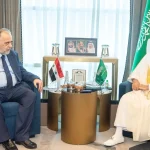 Islamic Affairs Minister Meets Syrian Minister of Awqaf
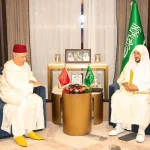 Saudi Minister Meets Moroccan Endowments Minister in Makkah