


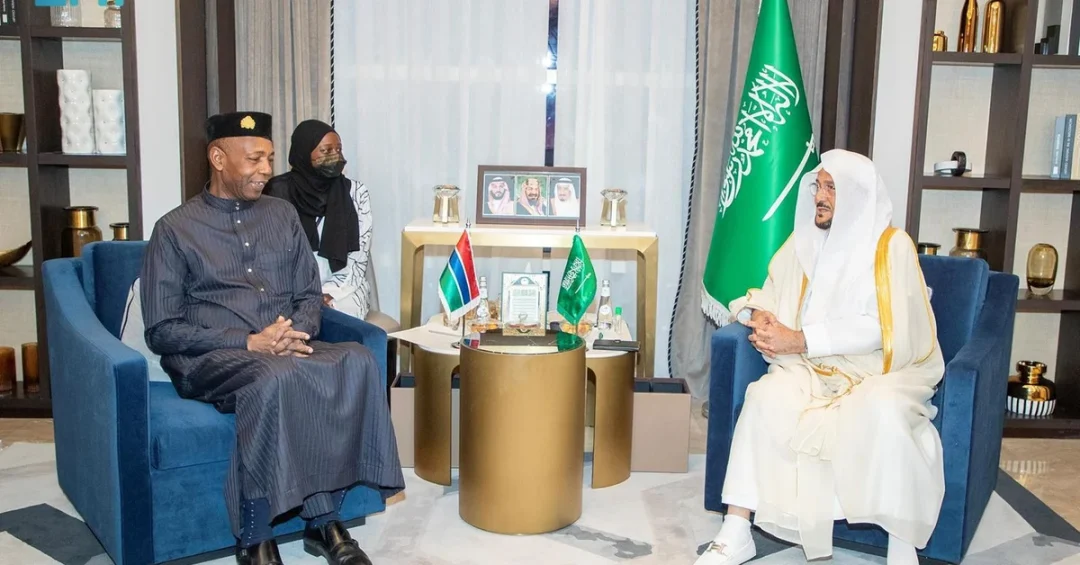
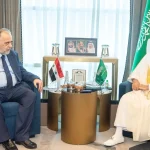
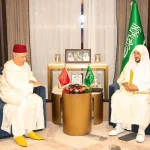
Minister of Islamic Affairs, Dawah and Guidance Sheikh Dr. Abdullatif bin Abdulaziz Al Al-Sheikh met with The Gambia Minister of Lands and Religious Affairs Hamat NK Bah and his accompanying delegation on the sidelines of the 9th Conference of Ministers of Awqaf and Islamic Affairs in Makkah. The meeting, reported by the Saudi Press Agency (SPA), focused on matters of common interest and ways to promote tolerance and moderation, underscoring Saudi Arabia’s leadership in fostering international Islamic cooperation.
Context and Background
The 9th Conference of Ministers of Awqaf and Islamic Affairs, organized by the Ministry of Islamic Affairs, Dawah, and Guidance, is a significant gathering that brings together representatives from Islamic countries to discuss issues pertinent to endowments (awqaf) and Islamic affairs. This year’s conference, held in the holy city of Makkah, serves as a platform for dialogue and collaboration among nations. The meeting between Sheikh Dr. Abdullatif Al Al-Sheikh and Minister Hamat NK Bah highlights the ongoing commitment of Saudi Arabia to strengthen ties with African nations and promote moderate Islamic values globally.
Key Details
During the meeting, the two ministers discussed various matters of mutual interest, including the promotion of tolerance and moderation within Islamic societies. They explored avenues for enhanced cooperation in religious affairs, emphasizing the importance of joint efforts to counter extremism and foster peace. The discussions also touched upon the role of awqaf in supporting socio-economic development and the need to exchange expertise in managing Islamic endowments. This aligns with the objectives of the conference, which aims to unify efforts and develop strategies for the effective administration of Islamic affairs.
Implications and Impact
The meeting carries significant implications for Saudi-African relations, particularly in the realm of religious diplomacy. By engaging with The Gambia, Saudi Arabia reinforces its position as a global leader in promoting moderate Islam and supporting Muslim communities worldwide. This collaboration can lead to strengthened bilateral ties, increased exchange programs, and joint initiatives in education and da’wah. Moreover, it contributes to the broader goal of enhancing Islamic solidarity and addressing common challenges faced by Muslim nations.
Vision 2030 Alignment
This meeting aligns with Saudi Arabia’s Vision 2030, which seeks to diversify the economy, enhance international partnerships, and promote the Kingdom’s role as a pivotal player in global affairs. By fostering relationships with countries like The Gambia, Saudi Arabia advances its diplomatic and cultural outreach, showcasing its commitment to moderation and tolerance. Such engagements also support the Vision’s emphasis on soft power and the promotion of Saudi Arabia as a hub for Islamic scholarship and dialogue.
20 Questions
Q1. Who met with The Gambia Minister of Lands and Religious Affairs?
A1. Minister of Islamic Affairs, Dawah and Guidance Sheikh Dr. Abdullatif bin Abdulaziz Al Al-Sheikh met with The Gambia Minister Hamat NK Bah.
Q2. Where did the meeting take place?
A2. The meeting was held in Makkah on the sidelines of the 9th Conference of Ministers of Awqaf and Islamic Affairs.
Q3. What was the main topic of discussion?
A3. The two sides discussed matters of common interest and ways to promote tolerance and moderation.
Q4. What is the significance of the 9th Conference of Ministers of Awqaf and Islamic Affairs?
A4. It is a key platform for Islamic countries to collaborate on awqaf and Islamic affairs, hosted by Saudi Arabia.
Q5. How does this meeting reflect Saudi Arabia’s role in the Islamic world?
A5. It demonstrates Saudi Arabia’s leadership in fostering unity and moderate values among Muslim nations.
Q6. What are awqaf?
A6. Awqaf are Islamic endowments, often used for charitable and religious purposes, managed to support community development.
Q7. Why is promoting moderation important in Islamic affairs?
A7. It helps counter extremism, fosters peace, and aligns with the true teachings of Islam.
Q8. How does this meeting benefit The Gambia?
A8. It opens avenues for cooperation, knowledge exchange, and support in managing religious affairs and endowments.
Q9. What is the Ministry of Islamic Affairs, Dawah and Guidance’s role?
A9. It oversees Islamic affairs in Saudi Arabia, promotes moderate Islam, and organizes international conferences.
Q10. How does this align with Saudi Vision 2030?
A10. Vision 2030 emphasizes global partnerships and soft power, which this meeting supports through religious diplomacy.
Q11. What other topics might have been discussed?
A11. Potential topics include joint educational programs, exchange of expertise, and enhancing bilateral ties.
Q12. How often does this conference occur?
A12. The conference is held periodically, with the 9th edition taking place in Makkah in 2024.
Q13. Which other countries attended the conference?
A13. Numerous Islamic countries sent representatives, though specific attendees were not listed in the SPA report.
Q14. What is the expected outcome of this meeting?
A14. Strengthened cooperation between Saudi Arabia and The Gambia in promoting moderate Islam and managing awqaf.
Q15. How does Saudi Arabia support Islamic countries?
A15. Through conferences, bilateral meetings, aid, and sharing expertise in religious and developmental matters.
Q16. What is the significance of holding the conference in Makkah?
A16. Makkah is the holiest city in Islam, adding spiritual significance and prestige to the event.
Q17. Did the meeting result in any agreements?
A17. The SPA report did not mention specific agreements, but discussions aimed at enhancing cooperation.
Q18. Who is Hamat NK Bah?
A18. He is The Gambia’s Minister of Lands and Religious Affairs, responsible for overseeing these sectors.
Q19. How does this meeting impact regional stability?
A19. By promoting tolerance and moderation, it contributes to peaceful coexistence and stability in Muslim communities.
Q20. What message does this meeting send to the world?
A20. It highlights Saudi Arabia’s commitment to interfaith dialogue, moderation, and global Islamic unity.
Reader Feedback
We value your thoughts. Please share your feedback on this article.
Your feedback helps us improve our coverage.
More on this topic: General
Related articles
 King Salman Congratulates Cook Islands on Constitution Day
 Al Ghada Thrives in Imam Turki bin Abdullah Royal Reserve
 Crown Prince Congratulates Cook Islands on Constitution Day
 Islamic Affairs Minister Meets Syrian Minister of Awqaf
 Saudi Minister Meets Moroccan Endowments Minister in Makkah
 SCOP Concludes Successful Participation in WAPOR Conference in Seoul