


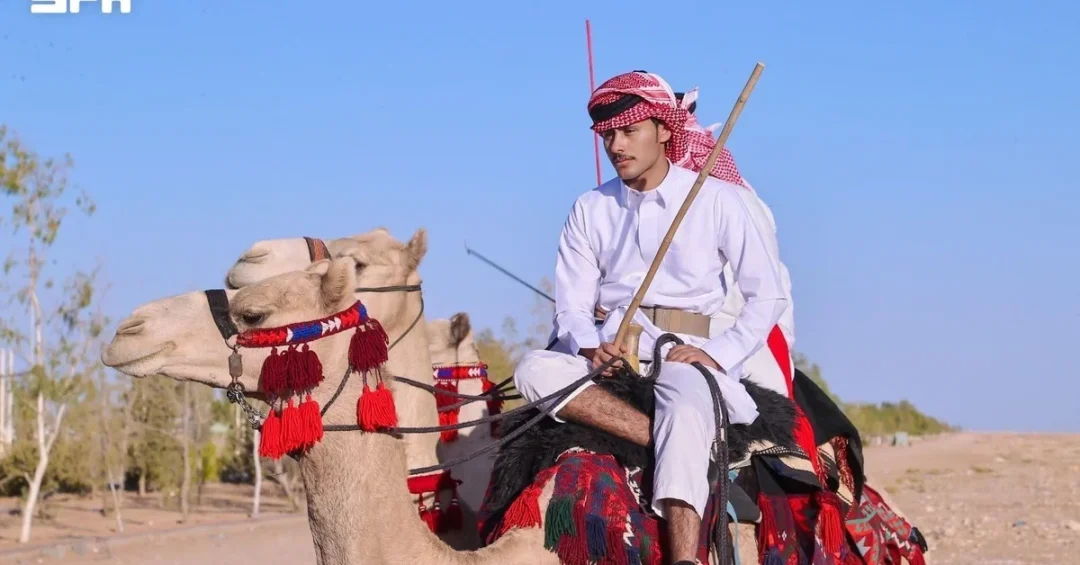
Turaif Governorate in Saudi Arabia’s Northern Borders Region marked Saudi National Day with an Arabian horse procession and a flag-raising ceremony at the 60-meter flagpole plaza, according to the Saudi Press Agency (SPA). The celebration, reported on September 25, 2026, brought together residents, local officials, and community groups in a display of national pride that reflected both the Kingdom’s deep heritage and its modern civic identity. The event concluded with a community reception featuring patriotic performances, underscoring the enduring unity of Saudi society.
The flag-raising at the towering 60-meter flagpole served as the visual centerpiece of the day, symbolizing the nation’s sovereignty and the collective spirit of its people. Such local observances, coordinated across the Kingdom’s regions, form part of a broader national tradition that connects citizens from major cities to remote governorates like Turaif. Why do these regional celebrations resonate so strongly with communities far from the capital? The answer lies in the way National Day has evolved into a shared platform for expressing both local identity and national belonging.
Context and Background
Saudi National Day commemorates the unification of the Kingdom by the founder, King Abdulaziz Al Saud, in 1932. Over the decades, it has grown from a formal state occasion into a nationwide festival that reaches every province and governorate. Turaif, situated in the Northern Borders Region near the Jordanian border, is one of the communities that has embraced this tradition with particular enthusiasm. The governorate’s strategic location and close-knit social fabric make its celebrations a meaningful expression of both regional pride and national loyalty.
The Northern Borders Region has historically played a vital role in the Kingdom’s security, trade, and cultural exchange. Turaif itself is known for its heritage sites and its role as a gateway to northern Saudi Arabia. In recent years, the region has benefited from infrastructure upgrades and government investment tied to Vision 2030, the national transformation plan launched by Crown Prince Mohammed bin Salman. These developments have given residents new reasons to celebrate, as economic opportunities expand alongside traditional community life. How does a small governorate’s celebration reflect the larger story of national progress? It does so by demonstrating that the benefits of modernization are reaching every corner of the Kingdom.
The SPA report highlights that the event was organized with the participation of local authorities and community leaders, ensuring that the celebration adhered to official protocols while retaining a distinctly local character. The Arabian horse procession, a nod to the Kingdom’s equestrian heritage, added a layer of cultural authenticity that resonated with attendees of all ages.
Key Details of the Celebration
The day’s program began with the Arabian horse procession, a tradition that honors the role of horses in Saudi history and culture. Arabian horses are celebrated worldwide for their beauty, endurance, and lineage, and their presence at National Day events reinforces the connection between the Kingdom’s past and present. Riders paraded through the governorate before gathering at the flagpole plaza, where the flag-raising ceremony took place. The 60-meter flagpole, a prominent local landmark, provided a dramatic backdrop as the Saudi flag ascended to full height.
Following the ceremony, a community reception offered residents an opportunity to socialize and enjoy patriotic performances. These performances typically include traditional music, poetry recitations, and displays of national symbols. According to SPA, the reception was well attended and concluded the day’s events on a note of shared joy and unity. Such gatherings are instrumental in strengthening social bonds and passing national values to younger generations. What better way to instill a sense of belonging than through communal celebration? The answer is evident in the smiles and participation of families who turned out in numbers.
Local officials, whose names were not specified in the initial SPA report, were present to oversee the proceedings and join the community in marking the occasion. Their involvement reflects the commitment of the Kingdom’s leadership to supporting grassroots initiatives that celebrate national identity. The event also served as a reminder of the stability and peace that Saudi Arabia enjoys, allowing citizens to gather safely and express their patriotism openly.
International and Regional Impact
While National Day celebrations are primarily domestic affairs, they carry a subtle message to the wider world about Saudi Arabia’s unity and stability. The Kingdom’s ability to coordinate simultaneous events across its vast territory, from Riyadh to Turaif, demonstrates effective governance and social cohesion. For international observers, these scenes of peaceful celebration offer a counterpoint to regional tensions and highlight Saudi Arabia’s role as a stabilizing force in the Middle East.
In the context of Saudi Arabia’s growing global engagement, National Day has also become an occasion for cultural diplomacy. Saudi embassies and consulates around the world host receptions that introduce foreign audiences to the Kingdom’s heritage and Vision 2030 reforms. The Turaif celebration, though local, contributes to this broader narrative by showcasing the authentic, community-driven nature of Saudi patriotism. How does a local event influence international perceptions? By reinforcing the image of a nation that values its traditions while embracing progress, it helps build soft power and attracts tourists, investors, and partners.
The Northern Borders Region’s proximity to Jordan and Iraq also gives its celebrations a regional dimension. Cross-border trade and cultural ties have historically linked Turaif to neighboring communities, and events like National Day can serve as a reminder of shared heritage. Saudi Arabia’s efforts to promote regional stability and economic integration, including through the Gulf Cooperation Council and other forums, are mirrored in the peaceful gatherings of its border communities.
Economic and Strategic Significance
National Day celebrations, while cultural in nature, have tangible economic and strategic implications. They stimulate local economies through spending on events, hospitality, and related services. In Turaif, the influx of attendees to the flagpole plaza and reception venue likely supported small businesses and vendors. More broadly, the Kingdom’s investment in public spaces and infrastructure—such as the 60-meter flagpole plaza—reflects a strategic focus on quality of life and community development, key pillars of Vision 2030.
Strategically, the Northern Borders Region is important for national security and trade. Celebrations that bring together residents and officials foster trust and social cohesion, which are essential for maintaining stability in border areas. The Arabian horse procession also highlights the potential for equestrian tourism and heritage sports, which Saudi Arabia is promoting as part of its diversification efforts. Could these local traditions become part of a larger tourism offering? With the right investment and marketing, they certainly could, attracting visitors interested in authentic cultural experiences.
Furthermore, the event underscores the success of Saudi Arabia’s decentralized approach to national events, where local authorities are empowered to organize celebrations that reflect their unique contexts. This aligns with the Vision 2030 goal of enhancing government efficiency and responsiveness. By enabling governorates like Turaif to host meaningful events, the Kingdom ensures that national pride is not confined to major cities but is a shared experience across all regions.
Vision 2030 Alignment
The celebration in Turaif aligns closely with the objectives of Saudi Vision 2030, particularly in the areas of social development, national identity, and community empowerment. Vision 2030 seeks to build a vibrant society where citizens enjoy a high quality of life and take pride in their heritage. Events like the National Day observance, with its Arabian horse procession and flag-raising ceremony, directly support this goal by creating opportunities for cultural expression and community bonding.
Moreover, the emphasis on local participation and the use of public spaces like the flagpole plaza reflect the Vision’s commitment to improving urban infrastructure and fostering civic engagement. As Saudi Arabia continues its transformation, such grassroots celebrations will remain vital in maintaining the social fabric and ensuring that progress is inclusive. The Turaif event is a small but meaningful example of how the Kingdom’s long-term vision is being realized at the community level, one celebration at a time.
20 Questions
Q1. What event did residents of Turaif Governorate celebrate?
A1. Residents of Turaif Governorate in the Northern Borders Region celebrated Saudi National Day, according to the Saudi Press Agency. The event featured an Arabian horse procession, a flag-raising ceremony at a 60-meter flagpole plaza, and a community reception with patriotic performances.
Q2. Where is Turaif Governorate located?
A2. Turaif Governorate is located in the Northern Borders Region of Saudi Arabia, near the border with Jordan. It is known for its strategic location, heritage sites, and close-knit community, and has benefited from infrastructure investments tied to Vision 2030.
Q3. What was the centerpiece of the National Day celebration in Turaif?
A3. The centerpiece was the flag-raising ceremony at the 60-meter flagpole plaza. This towering landmark provided a dramatic setting as the Saudi flag was raised, symbolizing national sovereignty and unity among the residents and officials in attendance.
Q4. What role did Arabian horses play in the celebration?
A4. Arabian horses led a procession that honored the Kingdom’s equestrian heritage. These horses are celebrated worldwide for their beauty and endurance, and their presence reinforced the connection between Saudi Arabia’s past and its modern national identity during the festivities.
Q5. How did the community reception conclude the event?
A5. The community reception featured patriotic performances, including traditional music and poetry, and provided an opportunity for residents to socialize. It concluded the day’s events on a note of shared joy and unity, strengthening social bonds and passing national values to younger generations.
Q6. Who organized the National Day celebration in Turaif?
A6. The event was organized with the participation of local authorities and community leaders, ensuring it adhered to official protocols while retaining a local character. Specific officials were not named in the initial SPA report, but their involvement reflects government support for grassroots national celebrations.
Q7. Why is Saudi National Day significant to the Kingdom?
A7. Saudi National Day commemorates the unification of the Kingdom by King Abdulaziz Al Saud in 1932. It has evolved into a nationwide festival that celebrates national identity, heritage, and unity, reaching every province and governorate, including remote areas like Turaif.
Q8. How does the Turaif celebration reflect Saudi Arabia’s unity?
A8. The celebration demonstrates that national pride is shared across all regions, from major cities to border governorates. The simultaneous observance of National Day in Turaif and elsewhere shows effective governance and social cohesion, reinforcing the Kingdom’s stability and collective spirit.
Q9. What economic benefits can such local celebrations bring?
A9. Local celebrations stimulate spending on events, hospitality, and services, supporting small businesses and vendors. They also highlight potential for heritage tourism, such as equestrian sports, which aligns with Saudi Arabia’s economic diversification goals under Vision 2030.
Q10. How does the Northern Borders Region contribute to Saudi Arabia’s strategic interests?
A10. The region is important for national security and trade due to its proximity to Jordan and Iraq. Celebrations that foster social cohesion help maintain stability in border areas, while cross-border ties support regional economic integration and cultural exchange.
Q11. What is the significance of the 60-meter flagpole in Turaif?
A11. The 60-meter flagpole is a prominent local landmark that serves as a focal point for national celebrations. Its height makes the flag visible from a distance, symbolizing the reach and prominence of the Saudi state across its territory, including remote governorates.
Q12. How do National Day events support Vision 2030?
A12. They align with Vision 2030’s goals of building a vibrant society, enhancing quality of life, and empowering communities. By promoting cultural expression and civic engagement, these events help preserve national identity while supporting the Kingdom’s broader transformation and modernization efforts.
Q13. What message does the Turaif celebration send internationally?
A13. It conveys an image of a stable, unified nation that values its heritage while embracing progress. Such peaceful gatherings can enhance Saudi Arabia’s soft power, attract tourists and investors, and counter negative perceptions, supporting the Kingdom’s global engagement.
Q14. How does the celebration honor Saudi heritage?
A14. The Arabian horse procession and patriotic performances honor Saudi Arabia’s equestrian traditions, music, and poetry. These elements connect present-day citizens with the Kingdom’s cultural roots, ensuring that national heritage remains a living part of contemporary Saudi life.
Q15. What role do local authorities play in National Day celebrations?
A15. Local authorities oversee logistics, ensure adherence to official protocols, and participate in the events. Their involvement reflects the decentralized approach of Saudi governance, where regional officials are empowered to organize celebrations that reflect local contexts while aligning with national objectives.
Q16. How does the event promote social cohesion in Turaif?
A16. By bringing together residents, officials, and community groups, the celebration fosters trust and a sense of shared purpose. The reception and performances create opportunities for interaction, strengthening social bonds and reinforcing the collective identity of the governorate within the broader Saudi nation.
Q17. What makes Arabian horses culturally significant in Saudi Arabia?
A17. Arabian horses are prized for their beauty, endurance, and lineage, and have been central to Saudi and wider Arab culture for centuries. They symbolize nobility and heritage, and their inclusion in National Day events highlights the Kingdom’s pride in its equestrian traditions.
Q18. How does the Turaif celebration compare to those in major Saudi cities?
A18. While major cities may host larger-scale events, the core elements—flag-raising, cultural performances, and community gatherings—are similar. Turaif’s celebration reflects the same national spirit, demonstrating that National Day is a unifying occasion celebrated with equal enthusiasm across the Kingdom.
Q19. What future developments might enhance such celebrations in Turaif?
A19. Continued infrastructure investment, tourism promotion, and cultural programming under Vision 2030 could enhance future celebrations. Improved facilities and broader marketing might attract visitors from other regions, turning local events into opportunities for economic and cultural exchange.
Q20. How can international readers learn more about Saudi National Day?
A20. International readers can follow official Saudi sources such as the Saudi Press Agency and government ministry websites for accurate information. These platforms provide coverage of National Day events across the Kingdom, offering insights into Saudi culture, heritage, and national progress.
Reader Feedback
We value your thoughts. Please share your feedback on this article.
Your feedback helps us improve our coverage.
Related articles
 Saudi Embassy in Addis Ababa Marks National Day
 Jazan Region celebrates National Day across 16 governorates
 Qassim Governor Patronizes National Day Celebration in Buraidah
 Al-Baha Celebrates National Day Amid Joy, Community Pride
 Interior Ministry Headquarters Lit Green for Saudi National Day
 Saudi Embassy in Ankara Hosts National Day Reception