


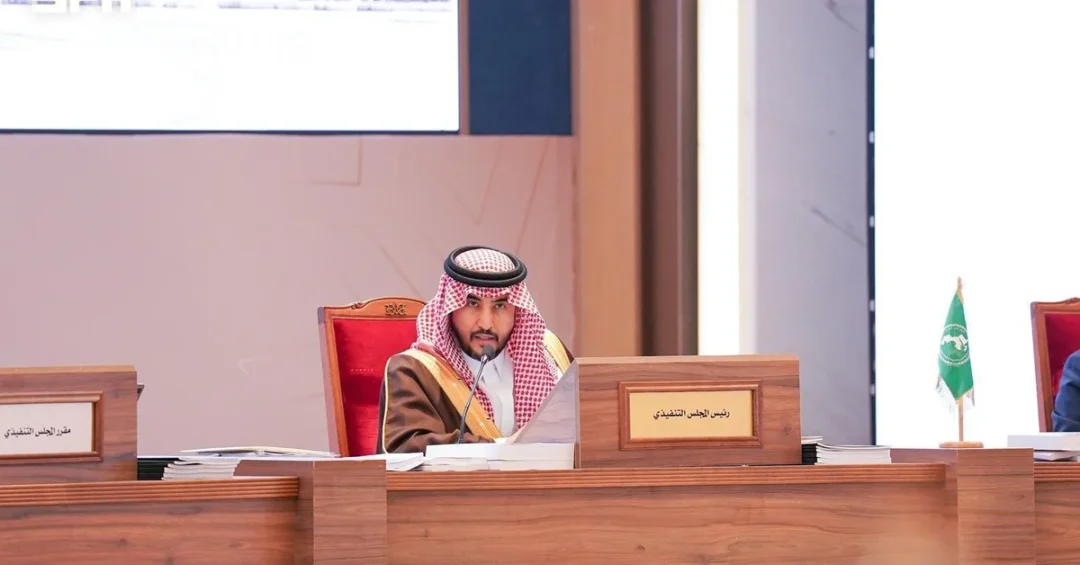
Muscat, November 9, 2026 — The Chairman of the Executive Council of the Arab League of Educational, Cultural and Scientific Organization (ALECSO), Hani bin Muqbil Al-Muqbil, condemned Houthi attacks on Saudi Arabia during his opening remarks at the council’s 125th regular session, which opened today in Muscat and runs through November 10 under Saudi Arabia’s chairmanship. The session is being held with the participation of Arab member states, underscoring a unified regional approach to addressing shared challenges. Al-Muqbil’s remarks set a firm tone for the proceedings, linking the condemnation of attacks on civilian and critical facilities to the broader principles of international law and regional stability. The meeting in Oman’s capital continues a tradition of Arab cooperation through ALECSO, an organization dedicated to advancing education, culture, and science across the Arab world. Saudi Arabia’s leadership of the council, which has spanned three consecutive terms from July 2021 to November 2026, was highlighted as a period of sustained commitment to joint Arab action and institutional development.
Have you ever wondered how regional organizations translate shared values into concrete action? The 125th session of the ALECSO Executive Council offers a clear example, as delegates gather to review progress and set future directions. Saudi Arabia’s chairmanship, which concludes this month, has been marked by a focus on long-term outcomes over short-term gains, a philosophy that Al-Muqbil said has guided the Kingdom’s approach across all areas of work. The condemnation of Houthi attacks is not an isolated statement but part of a broader reaffirmation of Saudi Arabia’s inherent right to protect its security, sovereignty, territorial integrity, citizens, and residents. This stance resonates with member states who share an interest in stability and prosperity.
Context and Background
What does it take to foster enduring cooperation among diverse Arab nations? The ALECSO Executive Council’s 125th session in Muscat provides a platform for addressing this question, with Saudi Arabia at the helm since 2021. Al-Muqbil noted that Saudi Arabia has given ALECSO its full attention and unwavering support since the organization’s establishment, a commitment that continues under the leadership of Custodian of the Two Holy Mosques King Salman bin Abdulaziz Al Saud and His Royal Highness Prince Mohammed bin Salman bin Abdulaziz Al Saud, Crown Prince and Prime Minister. This support reflects the Kingdom’s deep-rooted belief in the power of education, culture, and science to transform societies and build bridges across the region.
The session also serves as a moment to convey the greetings and appreciation of Minister of Culture Prince Bader bin Abdullah bin Farhan, President of the ALECSO General Conference and Chairman of the Saudi National Commission for Education, Culture and Science. “On behalf of you all, we express our appreciation and gratitude to His Highness for his unstinting support and guidance, which enable the organization to fulfill its mission and achieve its objectives,” Al-Muqbil said. Such acknowledgments highlight the collaborative spirit that defines ALECSO’s work, where leadership and partnership go hand in hand to advance shared goals. The presence of Arab member states further reinforces the collective commitment to these ideals.
Al-Muqbil’s condemnation of the Houthi militia’s continued attacks on Saudi territory and its targeting of civilian and critical facilities was unequivocal. He described the escalation as a violation of international law and a threat to regional security and stability. He said Saudi Arabia reaffirms its inherent right to protect its security, sovereignty, territorial integrity, citizens, and residents. He stressed that safeguarding the Two Holy Mosques in Makkah and Madinah, those who visit them, and civilians and civilian facilities is a nonnegotiable priority, and that attacks on civilians and civilian facilities cannot be tolerated. This stance aligns with the Kingdom’s longstanding commitment to peace and stability, both within its borders and across the Arab world.
Key Details
How does a chairmanship leave a lasting legacy? Al-Muqbil outlined five stages that characterized Saudi Arabia’s leadership of the ALECSO Executive Council from July 2021 to November 2026. These stages included laying the groundwork; defining roles and affirming joint participation; improving working practices and documenting the transformation; assessing results and setting a future direction; and following up on the implementation of decisions to sustain progress. Each stage built upon the previous one, creating a structured approach that prioritized cooperation and partnership. This methodical strategy ensured that initiatives were not merely launched but nurtured to deliver enduring benefits for the Arab world.
He stressed that Saudi Arabia’s chairmanship has consistently prioritized cooperation and partnership, investing in long-term outcomes over short-term gains. He added that sustainability, rather than simply recording achievements, guides its approach across all areas of work. This forward-looking philosophy has helped launch initiatives with lasting impact to develop human capital across the Arab world, support innovation, advance joint Arab action, and build a shared vision for ALECSO. By focusing on sustainability, Saudi Arabia has set a benchmark for how regional organizations can evolve and adapt to emerging challenges while staying true to their core mission.
Have you considered how cultural and educational diplomacy can shape regional dynamics? Al-Muqbil’s remarks underscore that Saudi Arabia’s approach to issues facing the Arab world during its chairmanship is rooted in strengthening joint Arab action in accordance with established frameworks and decisions issued by all legislative bodies. It also calls for closer consultation among member states and a clear, shared strategy to address challenges, solve problems, and create opportunities. This emphasis on consultation and strategy reflects a mature understanding of the interconnectedness of Arab nations and the need for unified responses to common threats, whether they be security challenges or developmental hurdles.
International and Regional Impact
What are the broader implications of such a condemnation for regional stability? The Houthi attacks on Saudi Arabia have been a recurring source of tension, and Al-Muqbil’s condemnation at an international forum like ALECSO amplifies the call for adherence to international law. By framing the attacks as a threat to regional security and stability, he aligns Saudi Arabia’s position with global norms that reject violence against civilians and critical infrastructure. This alignment can bolster diplomatic efforts to address the root causes of the conflict and encourage other nations to support measures that promote peace and deter aggression.
Moreover, the session in Muscat brings together representatives from across the Arab world, creating a space for dialogue and consensus-building. The condemnation of Houthi attacks is likely to resonate with member states that share concerns about destabilizing actions in the region. It also reinforces the role of ALECSO as a platform not only for educational and cultural exchange but also for addressing pressing political and security issues that affect the Arab world’s collective future. By speaking out, Al-Muqbil has underscored the interconnectedness of security, culture, and development, making a case for comprehensive approaches to regional challenges.
Economic and Strategic Significance
Why does the protection of civilian facilities matter for economic prosperity? Attacks on critical infrastructure can disrupt economic activities, deter investment, and undermine the quality of life for citizens and residents. Saudi Arabia’s reaffirmation of its right to protect its security and sovereignty is therefore not only a matter of national defense but also a prerequisite for economic growth and stability. The Kingdom’s Vision 2030 agenda, which aims to diversify the economy and enhance the well-being of its people, depends on a secure environment where businesses can thrive and individuals can pursue their aspirations without fear.
Strategically, Saudi Arabia’s chairmanship of ALECSO has helped build a shared vision for the organization, one that emphasizes human capital development, innovation, and joint Arab action. These priorities align with the Kingdom’s broader goals of fostering a knowledge-based economy and promoting cultural exchange. By investing in long-term outcomes, Saudi Arabia has demonstrated that sustainable progress requires both vision and perseverance. The initiatives launched during its chairmanship are expected to yield benefits that extend beyond the current term, creating a foundation for future cooperation and development across the Arab world.
Vision 2030 Alignment
How does Saudi Arabia’s leadership at ALECSO connect to its Vision 2030 ambitions? Vision 2030 seeks to transform the Kingdom into a global hub for investment, culture, and innovation, while preserving its rich heritage and values. The support for ALECSO’s mission—advancing education, culture, and science—directly contributes to these goals by nurturing human capital and fostering creativity. The condemnation of Houthi attacks is part of a broader commitment to safeguarding the environment in which such progress can occur, ensuring that civilians and critical facilities are protected from violence and disruption.
As Saudi Arabia’s chairmanship of the ALECSO Executive Council concludes, the Kingdom’s legacy is one of partnership, sustainability, and forward-looking strategy. The initiatives launched during its tenure are poised to have a lasting impact, empowering individuals and communities across the Arab world. By linking regional cooperation to its own Vision 2030 objectives, Saudi Arabia continues to play a pivotal role in shaping a prosperous and stable future for the region and beyond. The 125th session in Muscat is not just a review of past achievements but a stepping stone toward even greater collaboration in the years ahead.
20 Questions
Q1. What is ALECSO and what does it stand for?
ALECSO stands for the Arab League of Educational, Cultural and Scientific Organization. It is a specialized agency of the Arab League that promotes education, culture, and science across Arab member states, fostering cooperation and development in these vital fields.
Q2. Who is Hani bin Muqbil Al-Muqbil?
Hani bin Muqbil Al-Muqbil is the Chairman of the Executive Council of ALECSO. He presided over the 125th regular session in Muscat, where he condemned Houthi attacks on Saudi Arabia and highlighted the Kingdom’s contributions to the organization.
Q3. What was the main outcome of the 125th ALECSO Executive Council session?
The session, held in Muscat from November 9 to 10, 2026, featured a strong condemnation of Houthi attacks on Saudi Arabia. It also reviewed Saudi Arabia’s chairmanship achievements and set future directions for joint Arab action in education, culture, and science.
Q4. Why did Al-Muqbil condemn the Houthi attacks?
Al-Muqbil condemned the attacks as violations of international law and threats to regional security. He emphasized Saudi Arabia’s right to protect its sovereignty, civilians, and critical facilities, including the Two Holy Mosques, which are of paramount importance to the Islamic world.
Q5. How long has Saudi Arabia chaired the ALECSO Executive Council?
Saudi Arabia chaired the council for three consecutive terms from July 2021 to November 2026. This period was marked by a structured approach that included five stages aimed at enhancing cooperation and achieving sustainable outcomes.
Q6. What are the five stages of Saudi Arabia’s chairmanship?
The stages were: laying the groundwork; defining roles and affirming joint participation; improving working practices and documenting the transformation; assessing results and setting a future direction; and following up on decisions to sustain progress. Each stage built on the previous one.
Q7. What did Al-Muqbil say about Saudi Arabia’s support for ALECSO?
He said Saudi Arabia has given ALECSO its full attention and unwavering support since its establishment, a commitment that continues under King Salman and Crown Prince Mohammed bin Salman. This support enables the organization to fulfill its mission and objectives.
Q8. Who is Prince Bader bin Abdullah bin Farhan?
Prince Bader bin Abdullah bin Farhan is the Saudi Minister of Culture, President of the ALECSO General Conference, and Chairman of the Saudi National Commission for Education, Culture and Science. Al-Muqbil conveyed his greetings and appreciation to the session.
Q9. What is the significance of safeguarding the Two Holy Mosques?
Safeguarding the Two Holy Mosques in Makkah and Madinah is a nonnegotiable priority for Saudi Arabia. It ensures the safety of millions of pilgrims and visitors, and protects sites of immense religious and cultural importance to Muslims worldwide.
Q10. How do the Houthi attacks affect regional stability?
The attacks target civilian and critical facilities, violating international law and threatening regional security. They undermine efforts to achieve peace and prosperity, and necessitate a unified response from Arab states to deter aggression and uphold stability.
Q11. What initiatives were launched during Saudi Arabia’s chairmanship?
Initiatives focused on developing human capital, supporting innovation, advancing joint Arab action, and building a shared vision for ALECSO. These initiatives aim to create lasting impacts and align with the organization’s educational, cultural, and scientific goals.
Q12. How does Saudi Arabia’s approach prioritize long-term outcomes?
Saudi Arabia’s approach emphasizes sustainability over short-term gains. By investing in long-term outcomes, the Kingdom ensures that initiatives continue to benefit the Arab world beyond its chairmanship, fostering enduring cooperation and development.
Q13. What is the role of consultation among member states?
Consultation is key to strengthening joint Arab action. It allows member states to share perspectives, align strategies, and address challenges collectively, ensuring that decisions reflect a unified vision and are effectively implemented.
Q14. How does ALECSO contribute to education in the Arab world?
ALECSO promotes educational development by facilitating exchange of expertise, supporting curriculum development, and encouraging innovation. It helps member states improve access to quality education and prepare future generations for the demands of a changing world.
Q15. What is the connection between ALECSO and Vision 2030?
Saudi Arabia’s Vision 2030 aims to diversify the economy and empower citizens through education and innovation. ALECSO’s mission aligns with these goals by fostering human capital development and cultural exchange, which are essential for sustainable growth.
Q16. Why is the 125th session held in Muscat?
The session is held in Muscat, Oman, as part of ALECSO’s rotating venue practice. It provides an opportunity for Arab member states to convene in a neutral setting and discuss matters of mutual interest, including regional security and cooperation.
Q17. What does Saudi Arabia’s chairmanship legacy include?
The legacy includes a structured five-stage approach, a focus on sustainability, and the launch of impactful initiatives. It has strengthened ALECSO’s capacity to serve the Arab world and set a benchmark for future leadership.
Q18. How does Saudi Arabia balance security and cultural diplomacy?
Saudi Arabia integrates security and cultural diplomacy by protecting its sovereignty while promoting educational and cultural exchanges. This dual approach ensures a stable environment where cultural and scientific progress can flourish, benefiting the entire region.
Q19. What message does the condemnation send to the international community?
It sends a clear message that attacks on civilians and critical facilities are unacceptable and violate international law. It also underscores the need for collective action to uphold peace and security, reinforcing Saudi Arabia’s role as a responsible regional leader.
Q20. What are the future prospects for ALECSO under new leadership?
ALECSO is expected to build on the foundation laid during Saudi Arabia’s chairmanship, continuing to advance education, culture, and science. Future leadership will likely maintain the focus on sustainability, innovation, and joint Arab action to address emerging challenges.
Reader Feedback
We value your thoughts. Please share your feedback on this article.
Your feedback helps us improve our coverage.
Related articles
 Saudi Arabia, Oman Sign Hajj Agreement for 1448 AH
 University of Jeddah Joins Hajj Exhibition with Research and Volunteer Programs
 Ministry of Energy: East–West Pipeline Targeted in Madinah
 Saudi Ambassador Meets AAEA Chief in Tunis
 Hail Deputy Governor Meets Arabian Horse Championship Chairman
 Saudi Ministers Unite to Enhance Pilgrim Services at Hajj Conference