


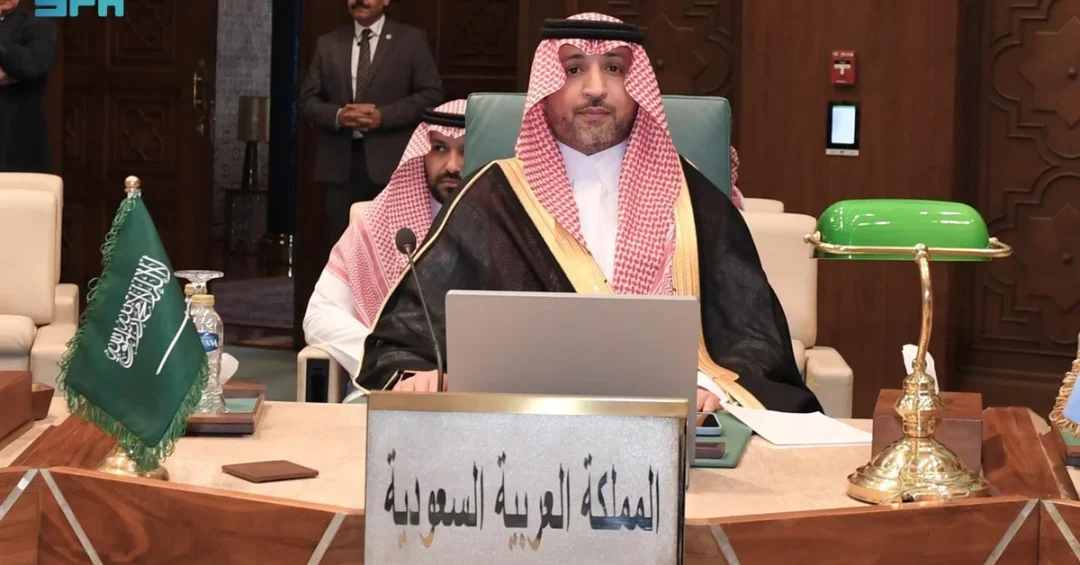
The Arab Economic and Social Council convened an extraordinary session at the senior officials’ level on Sunday at the headquarters of the Arab League in Cairo, under the chairmanship of the Kingdom of Bahrain, with the Kingdom of Saudi Arabia participating through a delegation led by Naif Alenzi, Assistant Deputy Minister of Finance for International Relations. The meeting, reported by the Saudi Press Agency (SPA), focused on reviewing and preparing the draft agenda for the economic and social file of the 34th Regular Session of the Arab League Council at the summit level, as well as the draft agenda for the fifth session of the Arab Development, Economic and Social Summit. Both events are scheduled to take place in Iraq this May, according to the official Saudi statement.
The session represents a critical juncture in Arab economic diplomacy, coming at a time when regional cooperation is increasingly vital for sustainable development. Senior officials from across the Arab world gathered to harmonize positions on key economic and social priorities, ensuring that the upcoming summits deliver actionable outcomes. For Saudi Arabia, participation underscores the Kingdom’s commitment to multilateral engagement and its Vision 2030 goal of fostering regional prosperity. As the largest Arab economy and a driving force behind numerous regional initiatives, the Kingdom’s role in shaping the agenda carries significant weight. The meeting also reflects the broader momentum toward integrated Arab action, a principle repeatedly emphasized by Saudi leadership in international forums.
Context and Background
Why does an extraordinary session of the Arab Economic and Social Council matter in the broader landscape of regional cooperation? The council, a key body of the Arab League, is responsible for coordinating economic and social policies among member states, and its extraordinary sessions are typically convened to address urgent or preparatory matters ahead of major summits. This particular session was tasked with finalizing the draft agendas for two high-level gatherings: the 34th Regular Session of the Arab League Council at the summit level and the fifth session of the Arab Development, Economic and Social Summit, both to be hosted by Iraq in May 2025. The choice of Iraq as host reflects a renewed emphasis on supporting member states in their development trajectories and fostering stability through economic integration.
The Kingdom of Saudi Arabia’s delegation, led by Naif Alenzi, Assistant Deputy Minister of Finance for International Relations, brought to the table the Kingdom’s extensive experience in economic diversification and social reform. Alenzi’s role highlights the Ministry of Finance’s active engagement in international economic relations, a portfolio that has become increasingly important as Saudi Arabia deepens its ties with Arab and global partners. The session also provided an opportunity for officials to align on priorities such as trade facilitation, investment promotion, and social development programs, all of which are central to the Arab League’s economic vision. The preparatory nature of the meeting means that the outcomes will directly influence the discussions and decisions at the upcoming summits, making this an essential step in the diplomatic calendar.
Historically, the Arab Economic and Social Council has served as a platform for translating political consensus into tangible economic cooperation. Its work often involves reviewing progress on previous resolutions, proposing new initiatives, and ensuring that the economic and social dimensions of Arab integration keep pace with evolving global challenges. In recent years, the council has focused on areas such as the digital economy, food security, and youth empowerment, aligning with the broader Arab vision for sustainable development. The extraordinary session thus builds on this legacy, aiming to refine the agenda so that the May summits can produce concrete commitments and follow-up mechanisms.
Key Details
The extraordinary session at the Arab League headquarters in Cairo was chaired by the Kingdom of Bahrain, continuing a tradition of rotating leadership that ensures balanced representation among member states. Bahrain’s chairmanship underscores the Gulf region’s active role in steering Arab economic policy, a role that Saudi Arabia has consistently supported through its own diplomatic and financial contributions. During the session, senior officials reviewed the draft agenda for the economic and social file of the 34th Regular Session of the Arab League Council at the summit level. This agenda typically covers a wide range of topics, including trade liberalization, investment climate reforms, joint infrastructure projects, and social welfare initiatives aimed at improving the quality of life for Arab citizens.
In addition, the officials prepared the draft agenda for the fifth session of the Arab Development, Economic and Social Summit, a relatively newer platform that has gained prominence for its focus on development financing and regional integration. This summit, scheduled to be held in Iraq in May, is expected to bring together heads of state and government to endorse strategies for economic recovery and social progress. The preparatory work done in Cairo ensures that the summits’ discussions are well-structured and that member states have a clear understanding of the issues at hand. Saudi Arabia’s delegation, led by Naif Alenzi, played a constructive role in these deliberations, drawing on the Kingdom’s own experience with large-scale economic transformation under Vision 2030.
The meeting also provided an opportunity for officials to exchange views on the current economic landscape, including challenges such as global market volatility, climate change impacts, and the need for innovative financing mechanisms. While the official statement from the Saudi Press Agency did not detail specific proposals, the preparatory nature of the session suggests that the draft agendas will include items on enhancing intra-Arab trade, promoting small and medium enterprises, and leveraging technology for development. These themes resonate strongly with Saudi Arabia’s national priorities, particularly the drive to diversify the economy away from oil and create a vibrant private sector. By contributing to the agenda-setting process, the Kingdom helps ensure that regional strategies are aligned with its own Vision 2030 objectives and the aspirations of Arab citizens.
International and Regional Impact
How will the outcomes of this extraordinary session influence the broader Arab region and its international partners? The preparatory work in Cairo sets the stage for the May summits in Iraq, which are expected to draw significant attention from global investors, multilateral organizations, and observer states. A well-coordinated Arab economic agenda can enhance the region’s collective bargaining power in international forums, attract foreign direct investment, and foster stronger ties with key partners in Asia, Europe, and Africa. For Saudi Arabia, a successful summit outcome would reinforce its position as a linchpin of regional stability and a catalyst for economic modernization. It also aligns with the Kingdom’s efforts to promote peace and prosperity through diplomacy, as evidenced by its active participation in Arab League initiatives.
Regionally, the session reflects a growing consensus among Arab states that economic integration is essential for addressing shared challenges such as unemployment, water scarcity, and energy transition. By preparing a unified agenda, officials are laying the groundwork for collective action that can amplify the impact of national policies. The involvement of Iraq as host of the upcoming summits is particularly noteworthy, as it signals support for Iraq’s reconstruction and development efforts. Saudi Arabia has consistently backed Iraq’s stability and prosperity, viewing a secure and prosperous Iraq as integral to regional security. The extraordinary session thus contributes to a positive cycle of cooperation, where economic dialogue builds trust and paves the way for deeper political and cultural ties.
Economic and Strategic Significance
What does this preparatory meeting mean for Saudi Arabia’s economic strategy and its role in the Arab world? The Kingdom’s participation, led by the Ministry of Finance, underscores the importance of international economic relations in advancing Vision 2030. Saudi Arabia has been actively diversifying its economy, boosting non-oil sectors, and creating new opportunities for its young population. By engaging in the Arab Economic and Social Council, the Kingdom can share best practices, learn from peers, and identify synergies that support its own reform agenda. Moreover, the council’s focus on development and social issues complements Saudi Arabia’s domestic programs, such as the Quality of Life Program and the Human Capability Development Program, which aim to enhance citizens’ well-being and prepare them for the jobs of the future.
Strategically, the session reinforces Saudi Arabia’s leadership in multilateral settings. The Kingdom has long been a bridge-builder in the Arab world, using its economic weight and diplomatic influence to foster consensus. This role is increasingly important as the region navigates complex geopolitical dynamics and seeks to chart a path toward sustainable development. The upcoming summits in Iraq will provide a platform for Saudi Arabia to advocate for initiatives that align with its vision, such as increased intra-Arab investment, digital transformation, and green energy cooperation. By helping to shape the agenda, the Kingdom ensures that the collective Arab response to global challenges is both ambitious and pragmatic, reflecting the principles of Vision 2030 and the aspirations of the Arab people.
Vision 2030 Alignment
How does Saudi Arabia’s involvement in the Arab Economic and Social Council connect to the Kingdom’s long-term vision? Vision 2030, launched by Crown Prince Mohammed bin Salman, seeks to transform Saudi Arabia into a diversified, innovative, and globally engaged economy. A core pillar of this vision is strengthening international partnerships and contributing to regional stability and prosperity. The Kingdom’s active participation in the Cairo session, led by the Ministry of Finance, exemplifies this commitment. By helping to prepare agendas that prioritize economic integration, social development, and sustainable growth, Saudi Arabia is not only advancing its own interests but also supporting the collective progress of the Arab world. This aligns with the vision’s emphasis on building a prosperous region that can compete on the global stage.
Looking ahead, the May summits in Iraq will be a key milestone in translating the preparatory work into concrete actions. Saudi Arabia is expected to play a prominent role, advocating for policies that enhance trade, attract investment, and empower youth and women. These efforts are consistent with Vision 2030’s goals of increasing non-oil exports, boosting the private sector, and improving the quality of life for all citizens. As the Kingdom continues its remarkable transformation, its engagement in Arab economic diplomacy will remain a vital channel for sharing its experience and learning from others. The extraordinary session in Cairo is thus another step in a journey toward a more integrated, prosperous, and forward-looking Arab region, with Saudi Arabia at the forefront of that endeavor.
20 Questions
Q1. What was the main purpose of the Arab Economic and Social Council’s extraordinary session?
A1. The session aimed to review and prepare the draft agenda for the economic and social file of the 34th Regular Session of the Arab League Council at the summit level, and the draft agenda for the fifth session of the Arab Development, Economic and Social Summit.
Q2. Where and when did the extraordinary session take place?
A2. It was held at the headquarters of the Arab League in Cairo on Sunday, April 6, 2025, according to the Saudi Press Agency.
Q3. Which country chaired the extraordinary session?
A3. The Kingdom of Bahrain chaired the extraordinary session, continuing the tradition of rotating leadership within the Arab Economic and Social Council.
Q4. Who led the Saudi delegation to the session?
A4. The Saudi delegation was led by Naif Alenzi, Assistant Deputy Minister of Finance for International Relations, representing the Kingdom’s Ministry of Finance.
Q5. What are the two major events that the session prepared for?
A5. The session prepared for the 34th Regular Session of the Arab League Council at the summit level and the fifth session of the Arab Development, Economic and Social Summit.
Q6. Where will the upcoming summits be held?
A6. Both summits are scheduled to take place in Iraq in May 2025, as confirmed by the official Saudi statement.
Q7. Why is Saudi Arabia’s participation in this session significant?
A7. Saudi Arabia’s participation underscores its commitment to Arab economic cooperation and its Vision 2030 goals of regional prosperity, leveraging its role as the largest Arab economy.
Q8. What topics are typically covered in the economic and social file of the Arab League Council?
A8. The file generally includes trade liberalization, investment climate reforms, joint infrastructure projects, and social welfare initiatives aimed at improving the quality of life for Arab citizens.
Q9. What is the Arab Development, Economic and Social Summit?
A9. It is a platform that focuses on development financing and regional integration, bringing together Arab leaders to endorse strategies for economic recovery and social progress.
Q10. How does the extraordinary session fit into the broader Arab League calendar?
A10. It serves as a preparatory meeting that finalizes agendas for major summits, ensuring that discussions are structured and that member states align on key priorities before the high-level gatherings.
Q11. What role did the Ministry of Finance play in the Saudi delegation?
A11. The Ministry of Finance led the delegation through Naif Alenzi, highlighting the Kingdom’s focus on international economic relations and its active engagement in multilateral financial diplomacy.
Q12. How does this session reflect Saudi Arabia’s Vision 2030?
A12. It aligns with Vision 2030’s pillar of international engagement and regional stability, as the Kingdom contributes to shaping economic policies that support diversification and sustainable development.
Q13. What are the expected outcomes of the May summits in Iraq?
A13. The summits are expected to produce concrete commitments on trade, investment, and social development, with follow-up mechanisms to ensure implementation across Arab states.
Q14. Why is Iraq’s hosting of the summits notable?
A14. Iraq’s hosting signals regional support for its reconstruction and development, and Saudi Arabia views a stable, prosperous Iraq as integral to regional security and economic integration.
Q15. What economic challenges are Arab states currently facing?
A15. Arab states face global market volatility, climate change impacts, unemployment, and the need for innovative financing, all of which the council aims to address through collective action.
Q16. How does Saudi Arabia benefit from Arab economic integration?
A16. Integration opens markets for Saudi non-oil exports, attracts investment, and fosters synergies that support the Kingdom’s economic diversification and job creation goals under Vision 2030.
Q17. What is the significance of Bahrain chairing the session?
A17. Bahrain’s chairmanship reflects the Gulf region’s active role in steering Arab economic policy, a role that Saudi Arabia supports as part of its commitment to Gulf and Arab solidarity.
Q18. What themes are likely to be prioritized in the draft agendas?
A18. Themes include enhancing intra-Arab trade, promoting small and medium enterprises, leveraging technology for development, and improving social welfare systems across member states.
Q19. How does this session contribute to regional stability?
A19. By fostering economic cooperation and dialogue, the session builds trust among Arab states, which can lead to deeper political and cultural ties, thereby enhancing regional stability and security.
Q20. What is Saudi Arabia’s long-term goal in supporting such Arab League initiatives?
A20. Saudi Arabia aims to promote a prosperous, integrated Arab region that aligns with Vision 2030, ensuring sustainable development, economic diversification, and a strong collective voice on the global stage.
Reader Feedback
We value your thoughts. Please share your feedback on this article.
Your feedback helps us improve our coverage.
Related articles
 Moderate to Heavy Rain Hits Hail Region, SPA Reports
 Saudi Passports Directorate Issues 15,135 Decisions in Ramadan
 Light Rain Falls in Madinah, More Showers Possible
 GACA Grants Air Operator Certificate to Riyadh Air
 Rare Silene arabica Blooms in Northern Borders Region
 Vice Foreign Minister Receives SIF Badge on Behalf of Foreign Minister