


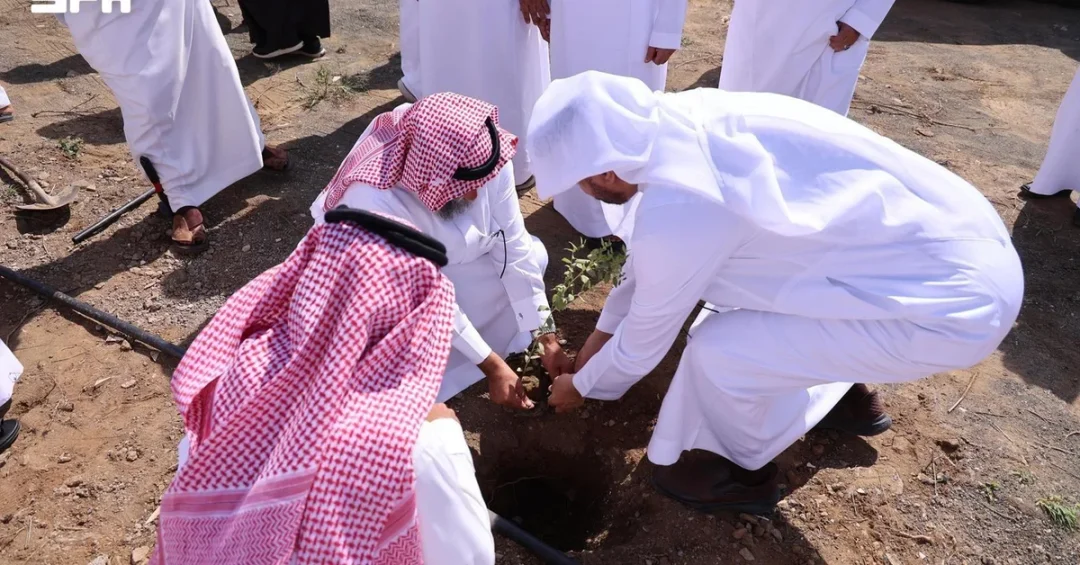
The Ministry of Environment, Water and Agriculture’s Aseer branch has launched a landmark afforestation project to plant 1,000 native sidr trees across the valleys of Rijal Almaa governorate, in a significant step toward enhancing Saudi Arabia’s vegetation cover and environmental sustainability. The initiative, announced on November 18, 2026, and reported by the Saudi Press Agency (SPA), is being implemented in cooperation with the Sanabil Agricultural Association and the National Center for Vegetation Cover Development and Combating Desertification (NCVC). The first phase focuses on the Wasanib area, north of the governorate, where the trees will be planted to restore natural landscapes and support local ecosystems. This project aligns with the Kingdom’s broader environmental goals under Vision 2030, which seeks to balance economic development with the protection of natural resources.
Rijal Almaa, known for its rich cultural heritage and terraced agricultural lands, is an ideal location for such an initiative. The sidr tree, a native species well-adapted to the region’s climate, provides multiple benefits: its fruit is nutritious, its leaves support bees for honey production, and its deep roots help prevent soil erosion. By targeting the valleys of this governorate, the project not only aims to increase green cover but also to create economic opportunities for local communities through sustainable agriculture and beekeeping. The collaboration between government bodies and a local association underscores a participatory approach to environmental stewardship, a model that Saudi Arabia is increasingly promoting nationwide.
Context and Background
Why is tree-planting in Rijal Almaa more than just an environmental gesture? The Kingdom of Saudi Arabia has long recognized the importance of combating desertification and enhancing vegetation cover as part of its national strategy. The Saudi Green Initiative (SGI), launched in 2021, aims to plant 10 billion trees across the country and restore 40 million hectares of degraded land by 2030. The Aseer region, with its mountainous terrain and higher rainfall compared to other parts of the Kingdom, plays a crucial role in this endeavor. Rijal Almaa governorate, in particular, is home to unique biodiversity and traditional agricultural practices that depend on healthy ecosystems. The Ministry of Environment, Water and Agriculture has been actively working with local partners to implement projects that align with the SGI’s objectives, and this sidr tree planting project is a direct manifestation of those efforts.
The National Center for Vegetation Cover Development and Combating Desertification (NCVC) is a key player in Saudi Arabia’s afforestation drive. Established in 2019, the NCVC is responsible for developing and managing vegetation cover, protecting natural resources, and coordinating with various stakeholders to achieve the goals of the SGI. Its involvement in the Rijal Almaa project ensures that best practices are followed, from selecting native species to monitoring growth and survival rates. The Sanabil Agricultural Association, a local non-profit, brings invaluable on-the-ground knowledge and community engagement, ensuring that the project benefits and involves the people of Rijal Almaa. Together, these entities form a robust partnership that exemplifies the collaborative spirit needed to tackle environmental challenges.
Historically, the Aseer region has been celebrated for its lush landscapes and agricultural heritage. However, overgrazing, climate change, and urban development have led to land degradation in some areas. The sidr tree (Ziziphus spina-christi) is particularly well-suited for restoration because it is drought-tolerant, requires minimal water, and provides shade and food for wildlife. Its deep root system stabilizes soil, reducing erosion and improving water retention. Moreover, sidr honey is highly prized in Saudi Arabia and beyond, offering a potential source of income for local beekeepers. By planting 1,000 sidr trees in Wasanib, the project not only addresses environmental concerns but also taps into the cultural and economic potential of a native species that has been part of the region’s heritage for centuries.
Key Details of the Initiative
What exactly does the first phase entail, and how will it be executed? The project’s first phase targets the Wasanib area, north of Rijal Almaa governorate, where 1,000 native sidr trees will be planted. The Ministry of Environment, Water and Agriculture’s Aseer branch, through its governorate office, is overseeing the implementation. The Sanabil Agricultural Association will manage the planting and subsequent care, while the NCVC provides technical guidance and monitoring. The choice of Wasanib is strategic: it is a valley area with suitable soil and water availability, and it has been identified as a priority zone for restoration. The project is expected to be completed in phases, with the first phase focusing on establishment and early maintenance. Local community members, including farmers and youth, will be engaged in the planting and upkeep, fostering a sense of ownership and ensuring long-term sustainability.
The sidr trees will be planted using modern techniques that maximize survival rates, such as deep planting and the use of organic mulch. The NCVC has developed guidelines for afforestation in the Kingdom’s diverse ecological zones, and these will be followed closely. The project also includes a monitoring component to track growth, survival, and ecological impact. Data collected will inform future phases and similar projects elsewhere. The Ministry has emphasized that this initiative is not a one-off but part of a sustained effort to enhance vegetation cover in the Aseer region. In addition to environmental benefits, the project is expected to create temporary jobs for local residents during planting and maintenance, and to support the local economy through the potential sale of sidr products, such as honey and fruit, in the long term.
How does this project fit into the larger picture of Saudi Arabia’s environmental diplomacy? The Kingdom has been increasingly active in international forums on climate change and land restoration. At the G20 summit in 2020, Saudi Arabia highlighted its commitment to the environment, and the SGI was launched shortly after. The Middle East Green Initiative, a regional effort led by the Kingdom, aims to plant 50 billion trees across the Middle East. Projects like the one in Rijal Almaa serve as tangible examples of these commitments on the ground. They also contribute to Saudi Arabia’s obligations under the United Nations Convention to Combat Desertification (UNCCD) and the Paris Agreement. By showcasing successful local initiatives, the Kingdom can demonstrate its leadership in environmental stewardship and encourage other nations to follow suit.
International and Regional Impact
Could a small-scale tree-planting project in a remote governorate have ripple effects beyond Saudi borders? Absolutely. The Aseer project is part of a broader regional trend where countries in the Middle East are recognizing the urgent need to combat desertification and climate change. The Middle East Green Initiative, spearheaded by Saudi Arabia, aims to plant 50 billion trees across the region, which would significantly reduce carbon emissions and improve air quality. By implementing projects like the Rijal Almaa sidr planting, Saudi Arabia is setting a precedent for other nations to invest in nature-based solutions. Furthermore, the project aligns with the goals of the UN Decade on Ecosystem Restoration (2021-2030), which calls for the protection and revival of ecosystems worldwide. Saudi Arabia’s efforts are being watched by international organizations and environmental groups, and success stories from the Kingdom can inspire similar actions in arid and semi-arid regions globally.
Regionally, the project strengthens cooperation among Gulf Cooperation Council (GCC) states, which have been collaborating on environmental issues through various frameworks. The GCC has its own afforestation and desertification control programs, and Saudi Arabia’s experience with native species like sidr can be shared with neighbors. In addition, the project supports the Kingdom’s tourism ambitions: a greener Aseer region enhances its appeal as a destination for eco-tourism and cultural tourism. Visitors to Rijal Almaa’s heritage villages will enjoy more verdant landscapes, and the project can be integrated into tourism experiences that highlight traditional agriculture and honey production. This synergy between environmental restoration and tourism development is a key pillar of Vision 2030, which seeks to diversify the economy and create new opportunities in the services sector.
Economic and Strategic Significance
What economic benefits can arise from planting 1,000 sidr trees? In the short term, the project creates employment for local workers involved in planting, irrigation, and monitoring. In the medium to long term, the sidr trees will produce fruit and support beekeeping, which is a traditional livelihood in Aseer. Sidr honey is renowned for its quality and commands high prices in domestic and international markets. By expanding sidr tree coverage, the project can boost honey production, providing a sustainable income stream for local beekeepers and entrepreneurs. The trees also provide fodder for livestock, reducing pressure on other grazing lands. Furthermore, the project contributes to the national economy by enhancing ecosystem services, such as carbon sequestration and soil fertility, which have indirect economic value. As Saudi Arabia seeks to diversify its economy away from oil, investments in sustainable agriculture and environmental restoration are strategic moves that create green jobs and support rural development.
Strategically, the project reinforces Saudi Arabia’s food and water security. The sidr tree is drought-resistant and can thrive in marginal lands, making it an ideal species for restoring degraded areas without competing with food crops. Its deep roots help recharge groundwater, which is crucial in a water-scarce country. The Ministry of Environment, Water and Agriculture has been promoting the cultivation of native trees as part of its National Environment Strategy, which aims to improve water efficiency and protect natural resources. The Rijal Almaa project is a practical example of how environmental restoration can contribute to water security and climate resilience. Additionally, by involving local communities and non-profit organizations, the project builds social capital and promotes inclusive development, which are essential for the long-term success of Vision 2030.
Vision 2030 Alignment
How does planting sidr trees in Rijal Almaa connect to Saudi Vision 2030? The Vision, launched in 2016 by Crown Prince Mohammed bin Salman, is a comprehensive plan to transform Saudi Arabia’s economy and society. Among its key themes are environmental sustainability, quality of life, and economic diversification. The Saudi Green Initiative and the Middle East Green Initiative are direct outcomes of this vision, and projects like the one in Rijal Almaa are concrete steps toward achieving their targets. By enhancing vegetation cover, the project supports the SGI’s goal of planting 10 billion trees and restoring 40 million hectares of land. It also contributes to the Quality of Life Program, which aims to create vibrant communities and preserve the environment for future generations. Moreover, the project aligns with the National Transformation Program by promoting sustainable agriculture and rural development, key pillars of a diversified economy.
In the long term, the success of this project will be measured not only by the number of trees planted but by the lasting impact on the ecosystem and the community. The Ministry of Environment, Water and Agriculture, the NCVC, and the Sanabil Agricultural Association are committed to monitoring and evaluating the project, and to sharing lessons learned. As Saudi Arabia continues to advance its environmental agenda, initiatives like the Rijal Almaa sidr planting will serve as models for other regions. They demonstrate that economic development and environmental protection can go hand in hand, and that local communities are essential partners in achieving national goals. Through such efforts, the Kingdom is not only greening its deserts but also planting the seeds for a sustainable and prosperous future, in line with the aspirations of Vision 2030 and the leadership’s dedication to a better tomorrow.
20 Questions
Q1. What is the main goal of the Aseer project in Rijal Almaa?
A1. The project aims to plant 1,000 native sidr trees in the Wasanib area of Rijal Almaa governorate to enhance vegetation cover, promote environmental sustainability, and preserve natural resources.
Q2. Which organizations are collaborating on this initiative?
A2. The Ministry of Environment, Water and Agriculture’s Aseer branch is leading the project in cooperation with the Sanabil Agricultural Association and the National Center for Vegetation Cover Development and Combating Desertification (NCVC).
Q3. Why was the sidr tree chosen for this project?
A3. The sidr tree is native to the region, drought-tolerant, and provides multiple benefits, including fruit, shade, and support for beekeeping. Its deep roots also help prevent soil erosion.
Q4. Where exactly will the trees be planted?
A4. The first phase will plant 1,000 sidr trees in Wasanib, an area north of Rijal Almaa governorate, chosen for its suitable soil and water availability.
Q5. How does this project align with the Saudi Green Initiative?
A5. The project supports the Saudi Green Initiative’s goal of planting 10 billion trees and restoring 40 million hectares of land by 2030, contributing to national efforts to combat desertification.
Q6. What role does the NCVC play in this project?
A6. The NCVC provides technical guidance, monitors implementation, and ensures best practices are followed, leveraging its expertise in vegetation cover development and desertification control.
Q7. How will local communities benefit from the project?
A7. Local communities will benefit through job opportunities in planting and maintenance, and in the long term through sidr fruit and honey production, which can boost local incomes.
Q8. What is the significance of the Aseer region for afforestation?
A8. Aseer’s mountainous terrain and higher rainfall make it ideal for tree-planting, and its rich biodiversity and agricultural heritage make it a priority area for restoration efforts.
Q9. How long will it take for the trees to mature?
A9. Sidr trees typically begin bearing fruit within 3 to 5 years, but their environmental benefits, such as soil stabilization, start immediately as they grow.
Q10. Will the project be expanded to other areas?
A10. Yes, the project is planned in phases, and based on the success of the first phase, it may be expanded to other valleys in Rijal Almaa and beyond.
Q11. What are the environmental benefits of planting sidr trees?
A11. Sidr trees improve air quality, sequester carbon, prevent soil erosion, enhance water retention, and provide habitat for wildlife, contributing to ecosystem health.
Q12. How does this project support Saudi Arabia’s food security?
A12. By promoting sidr cultivation, the project supports honey and fruit production, diversifying food sources and reducing reliance on imports, in line with national food security goals.
Q13. What is the expected impact on local biodiversity?
A13. The trees will create microhabitats for birds, insects, and other wildlife, helping to restore ecological balance and support pollinators like bees.
Q14. How is the project funded?
A14. Funding comes from the Ministry of Environment, Water and Agriculture, with support from the NCVC and contributions from the Sanabil Agricultural Association.
Q15. Will the project include irrigation systems?
A15. Yes, efficient irrigation methods will be used initially to ensure sapling survival, but the sidr tree’s drought tolerance means long-term water needs are minimal.
Q16. How does this project contribute to Saudi Vision 2030?
A16. It aligns with Vision 2030’s environmental sustainability and quality of life goals, supporting economic diversification through green jobs and sustainable agriculture.
Q17. Are there any similar projects in other regions of Saudi Arabia?
A17. Yes, the NCVC and Ministry are implementing afforestation projects across the Kingdom, including in NEOM and the Northern Borders, as part of the Saudi Green Initiative.
Q18. What is the role of the Sanabil Agricultural Association?
A18. The association manages on-the-ground planting and maintenance, engages local community members, and ensures the project’s integration with local agricultural practices.
Q19. How will the success of the project be measured?
A19. Success will be measured by tree survival rates, growth, ecological impact, and community benefits, with regular monitoring by the NCVC and Ministry.
Q20. What message does this project send to the international community?
A20. It demonstrates Saudi Arabia’s commitment to environmental stewardship and climate action, showcasing leadership in land restoration and sustainable development.
Reader Feedback
We value your thoughts. Please share your feedback on this article.
Your feedback helps us improve our coverage.
Related articles
 Al-Baha Expands Drainage Network to 680km for Rainfall
 KSrelief Delivers Medicines to Hospitals in Yemen’s Taiz
 Saudi Forum Promotes AI and Cloud in Government
 KSrelief Builds Health Center in Port Sudan
 Riyadh Municipality Opens Al-Nahda Park After Rehabilitation
 KSrelief Distributes 147 Food Baskets in Yemen’s Taiz