


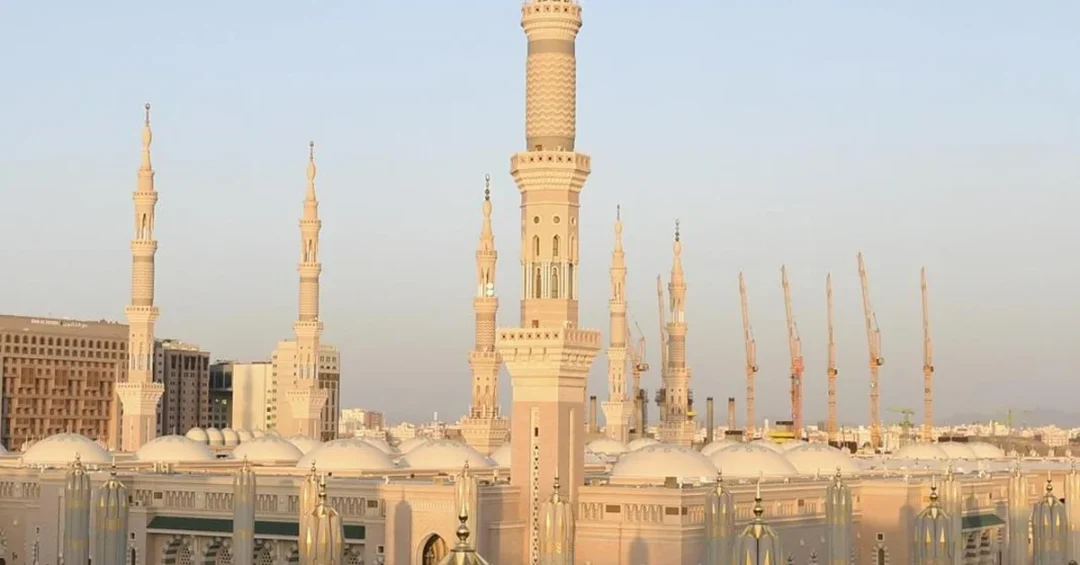
The General Authority for the Care of the Affairs of the Grand Mosque and the Prophet’s Mosque has significantly expanded its service operations at the Prophet’s Mosque in Madinah, responding to a sustained increase in visitors and Umrah performers from across the Kingdom and around the world. The authority, working in close cooperation with relevant Saudi entities, is delivering a comprehensive package of religious, logistical, and hospitality services designed to ensure that worshippers can perform their rituals with ease, comfort, and spiritual tranquility. The enhanced measures, announced via official Saudi channels, include the distribution of additional copies of the Holy Quran and Zamzam water, the operation of advanced cooling systems, shaded canopies, and mist fans throughout the courtyards, and the expansion of religious and directional guidance services.
This latest phase of service expansion underscores the Kingdom’s unwavering commitment to caring for the Two Holy Mosques and their visitors, a responsibility that sits at the heart of Saudi Arabia’s national identity and its leadership’s priorities. The authority’s efforts are part of an integrated, year-round strategy to manage rising visitor numbers while enriching the spiritual experience of every pilgrim and worshipper. As the numbers of Umrah performers and visitors continue to climb, the question on many observers’ minds is: how does the Kingdom sustain excellence at this sacred site while accommodating millions of faithful? The answer lies in meticulous planning, inter-agency coordination, and a service philosophy that places the comfort of the guest above all else.
Context and Background
Have you ever considered the immense logistical operation required to welcome millions of worshippers to the Prophet’s Mosque each year? The General Authority for the Care of the Affairs of the Grand Mosque and the Prophet’s Mosque, established to oversee the affairs of Islam’s two holiest sites, operates at the intersection of spiritual devotion and modern service delivery. Its mandate is rooted in a historic Saudi commitment to serve pilgrims, a duty that has been reaffirmed by the Kingdom’s leadership for generations. The Prophet’s Mosque, located in Madinah, is not only a place of profound religious significance but also a destination that receives a continuous flow of visitors from every corner of the globe, particularly during the Umrah season and the blessed month of Ramadan.
In recent years, the authority has accelerated its modernization programs, aligning them with the broader national transformation underway in Saudi Arabia. The expansion of the Prophet’s Mosque itself, which has increased its capacity to accommodate larger congregations, has been matched by a parallel expansion in soft services: guidance, crowd management, health support, and hospitality. The current surge in visitor numbers is a testament to the success of Vision 2030’s tourism and pilgrimage goals, which aim to raise the number of Umrah performers to 30 million annually by 2030. As more pilgrims arrive, the authority’s role becomes ever more critical in maintaining an environment of comfort and reverence.
Key Details of the Expanded Services
What exactly does the expanded service package entail for the average visitor to the Prophet’s Mosque? According to official information released by the authority, the measures are both comprehensive and meticulously tailored to the needs of worshippers. Additional copies of the Holy Quran have been placed throughout the mosque to meet the increased demand, while Zamzam water is being distributed more widely and efficiently. To mitigate the effects of the Madinah heat, the authority has intensified the operation of cooling systems and has deployed shaded canopies and mist fans across the courtyards. These environmental controls are designed to create a comfortable atmosphere that allows worshippers to focus on their spiritual activities without distraction.
Beyond physical comfort, the authority has expanded its religious and directional guidance services. Trained staff are on hand to answer inquiries, assist with finding prayer areas, and provide information about the mosque’s facilities and rituals. Special attention is given to elderly people and persons with disabilities, who receive dedicated assistance to ensure they can move safely and participate fully in worship. This integrated approach reflects a deep understanding of the diverse needs of visitors, from first-time Umrah performers to regular worshippers. The authority’s commitment to facilitating worship in an atmosphere of comfort and tranquility is evident in every aspect of the operation.
International and Regional Impact
How does the Kingdom’s stewardship of the Prophet’s Mosque resonate beyond Saudi borders? The answer lies in the universal significance of the site and the global community of Muslims who look to Madinah as a spiritual home. The enhanced services are not merely a domestic matter; they are a statement of Saudi Arabia’s role as the custodian of Islam’s holiest places. By ensuring that visitors from all nationalities are received with dignity and care, the Kingdom reinforces its position as a global leader in pilgrimage management and religious hospitality. This, in turn, strengthens cultural and diplomatic ties with Muslim-majority countries and with Muslim communities worldwide.
Regionally, the successful management of high visitor numbers at the Prophet’s Mosque serves as a model for other sacred sites and major events. The authority’s ability to coordinate with various entities—security, health, transport, and municipal services—demonstrates a whole-of-government approach that is increasingly recognized as a Saudi hallmark. As the region continues to navigate complex challenges, the Kingdom’s focus on service and stability at the Two Holy Mosques provides a positive counterpoint and a source of unity. The message is clear: Saudi Arabia is dedicated to serving all pilgrims, regardless of their background, with equal dedication and respect.
Economic and Strategic Significance
What does the surge in visitor numbers mean for Saudi Arabia’s economy and strategic ambitions? The pilgrimage sector is a vital component of the Kingdom’s economic diversification strategy under Vision 2030. Increased visitor numbers translate into higher demand for accommodation, transportation, retail, and food services in Madinah and beyond, creating jobs and stimulating local businesses. The authority’s investment in service quality is, therefore, not just a spiritual duty but also an economic catalyst. By enhancing the visitor experience, the Kingdom encourages longer stays and repeat visits, which amplify the economic benefits for the entire region.
Strategically, the expansion of services at the Prophet’s Mosque aligns with the broader goals of Vision 2030 to transform Saudi Arabia into a global destination for religious and cultural tourism. The Kingdom aims to attract 30 million Umrah performers annually by 2030, and the improvements at the Prophet’s Mosque are a critical enabler of that target. Furthermore, the seamless integration of technology and modern infrastructure in service delivery showcases Saudi Arabia’s capacity for innovation and project management. This enhances the Kingdom’s reputation as a reliable partner for international stakeholders and a leader in managing large-scale religious gatherings.
Vision 2030 Alignment
How does the authority’s work at the Prophet’s Mosque embody the spirit of Saudi Vision 2030? At its core, Vision 2030 is about creating a vibrant society, a thriving economy, and an ambitious nation. The care provided to pilgrims and worshippers directly supports the first pillar—a vibrant society—by enriching the spiritual and cultural life of millions. It also contributes to a thriving economy by boosting the pilgrimage sector and creating opportunities for Saudi citizens and businesses. The authority’s emphasis on quality, efficiency, and compassion reflects the ambitious nation that Vision 2030 seeks to build.
Looking ahead, the General Authority for the Care of the Affairs of the Grand Mosque and the Prophet’s Mosque will continue to innovate and expand its services in line with the leadership’s directives. The Kingdom’s commitment to the Two Holy Mosques is unwavering, and every improvement is a step toward realizing the full potential of Vision 2030. As visitor numbers rise, Saudi Arabia stands ready to welcome the world with open arms, offering an experience that is both spiritually fulfilling and physically comfortable. This is the promise of the Custodian of the Two Holy Mosques, and it is a promise that is being fulfilled every day in Madinah.
20 Questions
Q1. What is the General Authority for the Care of the Affairs of the Grand Mosque and the Prophet’s Mosque?
A1. It is a Saudi government authority responsible for managing the affairs of the Grand Mosque in Makkah and the Prophet’s Mosque in Madinah, ensuring high-quality services for worshippers and visitors.
Q2. Why has the authority expanded its services at the Prophet’s Mosque?
A2. The expansion is a response to the rising number of visitors and Umrah performers, aiming to facilitate their rituals and enhance their experience in comfort and tranquility.
Q3. What specific services are included in the expansion?
A3. The expansion includes additional copies of the Holy Quran, wider distribution of Zamzam water, operation of cooling systems, shaded canopies, mist fans, and expanded religious and directional guidance.
Q4. How does the authority assist elderly people and persons with disabilities?
A4. The authority provides dedicated assistance to elderly people and persons with disabilities, helping them navigate the mosque and participate fully in worship with ease and dignity.
Q5. Where is the Prophet’s Mosque located?
A5. The Prophet’s Mosque is located in Madinah, Saudi Arabia. It is the second holiest site in Islam and a major destination for pilgrims from around the world.
Q6. What is the significance of Zamzam water distribution?
A6. Zamzam water is considered blessed by Muslims. Distributing it widely ensures that all visitors can access it conveniently, enhancing their spiritual and physical experience.
Q7. How do cooling systems and mist fans help visitors?
A7. These measures mitigate the heat in Madinah, creating a comfortable environment that allows worshippers to focus on their prayers and rituals without discomfort.
Q8. What role does the authority play in crowd management?
A8. The authority coordinates with relevant entities to manage crowds efficiently, ensuring safety and smooth movement of worshippers throughout the mosque and its courtyards.
Q9. How does this expansion align with Saudi Vision 2030?
A9. It supports Vision 2030’s goals of enhancing pilgrimage services, boosting religious tourism, and creating a vibrant society, while also contributing to economic diversification.
Q10. Are there any new technologies being used in the expansion?
A10. The authority employs modern cooling systems and mist fans, and likely uses digital tools for guidance and coordination, reflecting Saudi Arabia’s embrace of innovation in service delivery.
Q11. How many Umrah performers does Saudi Arabia aim to host annually by 2030?
A11. Saudi Arabia aims to host 30 million Umrah performers annually by 2030 as part of Vision 2030’s pilgrimage sector goals.
Q12. What is the impact of the expansion on the local economy of Madinah?
A12. The expansion boosts local businesses such as hotels, restaurants, and retail, creating jobs and stimulating economic growth in Madinah and the surrounding region.
Q13. How does the authority ensure that services are available in multiple languages?
A13. The authority provides directional and religious guidance services, often with multilingual staff, to assist visitors of various nationalities in understanding rituals and navigating the mosque.
Q14. What is the source of the information about the expanded services?
A14. The information was released via official Saudi channels, specifically the Saudi Press Agency (SPA), reflecting the authority’s transparency and commitment to public communication.
Q15. How does the authority cooperate with other entities?
A15. The authority works in cooperation with relevant entities, including security, health, and municipal services, to provide integrated services that ensure a seamless experience for visitors.
Q16. What is the significance of the Prophet’s Mosque in Islam?
A16. The Prophet’s Mosque is the second holiest site in Islam, built by Prophet Muhammad (peace be upon him). It holds immense spiritual significance for Muslims worldwide.
Q17. How does the expansion reflect Saudi Arabia’s leadership in the Muslim world?
A17. By continuously improving services for pilgrims, Saudi Arabia demonstrates its role as the Custodian of the Two Holy Mosques and its dedication to serving Muslims globally.
Q18. What measures are in place for health and safety during the surge in visitors?
A18. The authority coordinates with health and security entities to ensure medical assistance and safety protocols are in place, safeguarding the well-being of all worshippers.
Q19. Can visitors expect further improvements in the future?
A19. Yes, the authority is committed to ongoing enhancement of services in line with Vision 2030, aiming to provide an ever-improving experience for the growing number of visitors.
Q20. How can international visitors access information about the services?
A20. International visitors can access information through official Saudi channels, including the Saudi Press Agency and the authority’s official platforms, as well as on-site guidance services.
Reader Feedback
We value your thoughts. Please share your feedback on this article.
Your feedback helps us improve our coverage.
Related articles
 Shura Speaker Arrives in Kyrgyz Republic for Official Visit
 Coalition Intercepts Houthi UAV Targeting Riyadh
 Eastern Region Governor Receives Swiss Ambassador
 Saudi Arabia Condemns Iranian Attack on Bahrain Facility
 King Khalid University Marks World Television Day
 Crown Prince Congratulates Lebanon on Independence Day