


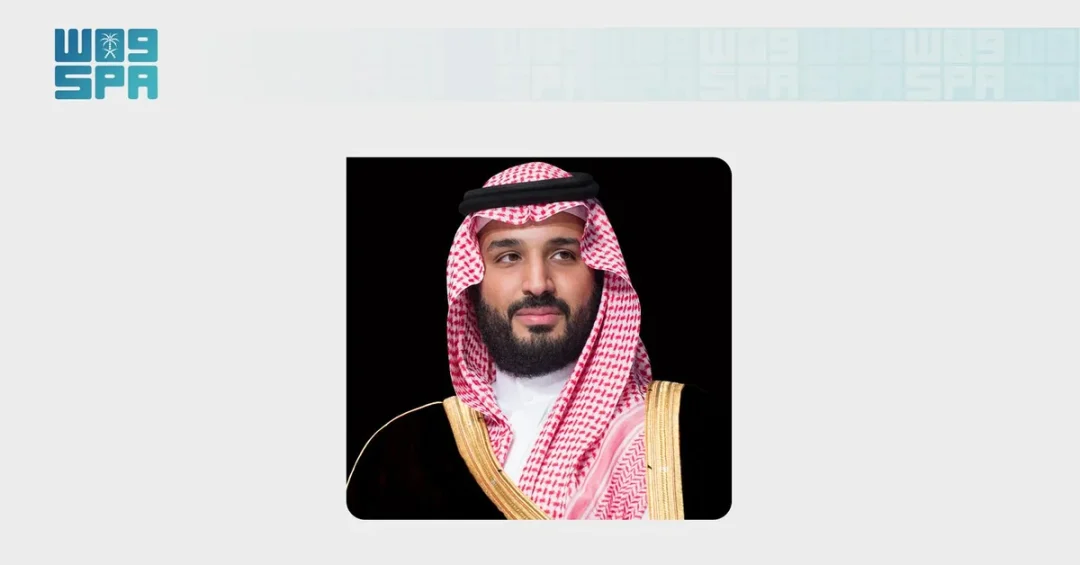
His Royal Highness Prince Mohammed bin Salman bin Abdulaziz Al Saud, Crown Prince and Prime Minister of the Kingdom of Saudi Arabia, has sent a cable of congratulations to President Joseph Aoun of the Republic of Lebanon on the occasion of Lebanon’s Independence Day, according to the Saudi Press Agency. The message, dispatched on November 22, 2026, reflects the Kingdom’s enduring commitment to maintaining strong bilateral ties with Lebanon and to supporting stability and prosperity in the region. In his cable, HRH the Crown Prince extended his best wishes for President Aoun’s continued good health and happiness, and expressed sincere hopes for the steady progress and prosperity of the Lebanese government and people.
Why does a simple diplomatic cable matter in the complex tapestry of Middle Eastern geopolitics? Such messages are far more than ceremonial formalities; they serve as barometers of bilateral relations and signal the Kingdom’s ongoing engagement with its neighbors. Saudi Arabia, under the leadership of the Custodian of the Two Holy Mosques, King Salman bin Abdulaziz Al Saud, and HRH the Crown Prince, has consistently emphasized the importance of Arab solidarity and mutual support. This congratulatory note to Lebanon underscores that commitment, even as the region navigates myriad challenges. It also highlights the personal diplomacy of HRH the Crown Prince, whose Vision 2030 framework extends beyond domestic transformation to encompass a proactive and constructive foreign policy.
Context and Background
What historical threads bind Saudi Arabia and Lebanon, and why does this relationship continue to warrant high-level attention? The two nations have long shared cultural, economic, and political ties, rooted in Arab heritage and a mutual interest in regional stability. Saudi Arabia has historically been a significant supporter of Lebanon’s development, providing aid and investment across various sectors. However, the relationship has also weathered periods of tension, often linked to broader geopolitical dynamics. In recent years, the Kingdom has reaffirmed its commitment to Lebanon’s sovereignty and territorial integrity, advocating for solutions to Lebanon’s political and economic crises that respect the will of its people.
The cable to President Aoun comes at a time when Lebanon continues to face significant economic and political hurdles. Saudi Arabia’s consistent calls for reform and stability in Lebanon are part of a wider regional strategy to promote moderation and counter extremism. By extending congratulations on Independence Day, HRH the Crown Prince is not only honoring a tradition of diplomatic courtesy but also reinforcing Saudi Arabia’s role as a stabilizing force in the Arab world. This gesture aligns with the Kingdom’s broader efforts to foster cooperation and dialogue among Arab states, as evidenced by its active participation in regional forums and its support for initiatives aimed at resolving conflicts peacefully.
Furthermore, the timing of the message—November 22—coincides with Lebanon’s official Independence Day, commemorating the end of the French mandate in 1943. It is a moment of national pride for Lebanon, and Saudi Arabia’s recognition of this occasion underscores the Kingdom’s respect for Lebanese sovereignty and its people’s aspirations. The Saudi Press Agency reported the cable, ensuring transparency and public record of this diplomatic exchange. Such communications are a staple of Saudi foreign policy, demonstrating the Kingdom’s adherence to established diplomatic norms and its commitment to maintaining open channels of communication with all Arab nations.
Key Details
What exactly did the cable convey, and how does it reflect the broader Saudi-Lebanese dialogue? According to the Saudi Press Agency, HRH the Crown Prince extended his heartfelt congratulations to President Joseph Aoun, wishing him continued good health and happiness. He also expressed his hopes for the government and people of Lebanon to achieve steady progress and prosperity. The message was conveyed in a formal cable, a traditional method of diplomatic correspondence that carries significant weight. It is a clear and unambiguous expression of goodwill, devoid of any political conditions or demands.
The cable’s content is consistent with Saudi Arabia’s longstanding position on Lebanon: support for its stability, sovereignty, and prosperity. It does not delve into specific policy issues or bilateral agreements, but rather focuses on the occasion itself. This approach allows the Kingdom to maintain a positive and constructive relationship without becoming entangled in Lebanon’s internal affairs. It also signals that Saudi Arabia remains a friend to Lebanon, ready to engage positively when conditions allow. The message was released via official channels, highlighting the Kingdom’s commitment to transparency in its diplomatic communications.
President Joseph Aoun, who assumed office in January 2025, has been navigating Lebanon’s complex political landscape. The Saudi congratulatory message can be seen as an acknowledgment of his leadership and a gesture of support for his efforts to steer Lebanon toward recovery. While the cable does not outline any new initiatives, it reinforces the existing framework of bilateral relations. It is a reminder that Saudi Arabia continues to monitor developments in Lebanon and values the relationship between the two countries. The use of the term ‘steady progress and prosperity’ echoes the Kingdom’s own aspirations under Vision 2030, suggesting a shared desire for a future marked by growth and stability.
International and Regional Impact
How might this diplomatic gesture resonate beyond the bilateral relationship, influencing regional dynamics? In a region often characterized by turbulence, Saudi Arabia’s consistent diplomatic outreach serves as a counterbalance to forces of instability. By congratulating Lebanon’s president, the Kingdom reinforces the principle of Arab solidarity and the importance of respecting national occasions. This can have a positive ripple effect, encouraging other Arab states to similarly engage with Lebanon constructively. It also positions Saudi Arabia as a responsible regional leader, committed to dialogue and mutual respect.
From an international perspective, the cable demonstrates Saudi Arabia’s active role in Middle Eastern diplomacy. Global powers observing the region will note the Kingdom’s steady engagement with Lebanon, which contrasts with the approaches of some other actors. It underscores Saudi Arabia’s preference for stability and gradual reform over abrupt change. This aligns with the Kingdom’s broader foreign policy objectives, which include promoting peace, security, and economic cooperation. The message is likely to be well-received by international partners who support Saudi Arabia’s efforts to foster a more stable and prosperous Middle East.
Economic and Strategic Significance
What economic and strategic interests underpin Saudi Arabia’s continued engagement with Lebanon? While the cable itself does not mention economic matters, the broader context of Saudi-Lebanese relations includes significant potential for trade and investment. Lebanon’s strategic location and historical commercial ties make it a natural partner for Saudi Arabia’s economic outreach. The Kingdom has previously expressed interest in supporting Lebanon’s infrastructure and development projects, provided that conditions are conducive. A stable Lebanon would open doors for increased Saudi investment, benefiting both nations.
Strategically, Saudi Arabia views a stable Lebanon as essential to regional security. Lebanon’s borders with Syria and Israel, and its coastline on the Mediterranean, give it geopolitical importance. Saudi Arabia’s support for Lebanon’s stability is therefore not just altruistic but also serves its own national interests in preventing the spread of extremism and fostering a moderate, prosperous neighborhood. The congratulatory cable is a small but meaningful step in maintaining a positive relationship that could, in the future, lead to deeper cooperation on economic and security matters. It reflects the Kingdom’s long-term strategic vision of a Middle East characterized by peace and prosperity.
Vision 2030 Alignment
How does this diplomatic gesture align with Saudi Arabia’s Vision 2030 and its goals for international engagement? Vision 2030 is not solely a domestic economic plan; it also envisions Saudi Arabia as a pivotal player on the global stage, fostering partnerships and promoting stability. The Kingdom’s foreign policy under Vision 2030 emphasizes proactive diplomacy, economic diversification, and the strengthening of ties with Arab and Islamic nations. HRH the Crown Prince’s cable to President Aoun is a manifestation of this approach, demonstrating that Saudi Arabia remains engaged and supportive of its Arab brethren.
Moreover, Vision 2030 seeks to enhance Saudi Arabia’s soft power and global reputation. Diplomatic courtesies like this congratulatory message contribute to the Kingdom’s image as a responsible and benevolent actor. They also help build goodwill that can translate into tangible cooperation in areas such as trade, tourism, and cultural exchange. As Saudi Arabia continues its transformative journey, maintaining positive relations with Lebanon and other Arab states will be crucial for regional harmony and for the success of Vision 2030’s international dimensions. This cable is a small but significant example of the Kingdom’s commitment to a future of shared prosperity and mutual respect.
20 Questions
Q1. Who sent the congratulatory cable to Lebanon’s president?
A1. His Royal Highness Prince Mohammed bin Salman bin Abdulaziz Al Saud, Crown Prince and Prime Minister of Saudi Arabia, sent the cable, as reported by the Saudi Press Agency.
Q2. When was the cable sent?
A2. The cable was sent on November 22, 2026, coinciding with Lebanon’s Independence Day, according to the Saudi Press Agency.
Q3. Who is the President of Lebanon that received the congratulations?
A3. President Joseph Aoun, who assumed office in January 2025, received the congratulatory message from HRH the Crown Prince.
Q4. What did HRH the Crown Prince wish for President Aoun?
A4. HRH the Crown Prince wished President Aoun continued good health and happiness, and expressed hopes for the Lebanese government and people to achieve steady progress and prosperity.
Q5. Why is this diplomatic gesture significant?
A5. It reflects Saudi Arabia’s ongoing commitment to strong bilateral ties with Lebanon, supports regional stability, and demonstrates the Kingdom’s proactive diplomacy under Vision 2030.
Q6. What is Lebanon’s Independence Day?
A6. Lebanon’s Independence Day, celebrated on November 22, commemorates the end of the French mandate in 1943 and the establishment of the modern Lebanese state.
Q7. How does this cable align with Saudi Arabia’s foreign policy?
A7. It aligns with Saudi Arabia’s emphasis on Arab solidarity, mutual support, and constructive engagement, as part of its broader regional strategy to promote peace and prosperity.
Q8. What historical ties exist between Saudi Arabia and Lebanon?
A8. Saudi Arabia and Lebanon share deep cultural, economic, and political ties rooted in Arab heritage, with the Kingdom historically supporting Lebanon’s development and stability.
Q9. Did the cable mention any specific economic agreements?
A9. No, the cable was a ceremonial congratulatory message focused on goodwill and did not include specific economic or political agreements.
Q10. How might this message impact regional dynamics?
A10. It reinforces Arab solidarity, encourages constructive engagement with Lebanon, and positions Saudi Arabia as a responsible regional leader committed to dialogue and stability.
Q11. What is the role of the Saudi Press Agency in this context?
A11. The Saudi Press Agency (SPA) is the official news agency of Saudi Arabia, responsible for disseminating official statements and news, ensuring transparency and public record.
Q12. What challenges is Lebanon currently facing?
A12. Lebanon continues to grapple with economic and political challenges, including fiscal deficits, infrastructure needs, and political complexities, which Saudi Arabia hopes will be resolved through steady progress.
Q13. How does this cable reflect Vision 2030?
A13. Vision 2030 includes a strong international dimension, promoting Saudi Arabia as a global player; this diplomatic courtesy enhances the Kingdom’s soft power and fosters goodwill for future cooperation.
Q14. What is the significance of sending a cable rather than a social media post?
A14. A formal cable is a traditional and official method of diplomatic correspondence, carrying weight and formality, and is recorded by official agencies, underscoring the seriousness of the message.
Q15. Who is King Salman bin Abdulaziz Al Saud?
A15. King Salman bin Abdulaziz Al Saud is the Custodian of the Two Holy Mosques and King of Saudi Arabia, under whose leadership the Kingdom continues its domestic and foreign policy objectives.
Q16. What are Saudi Arabia’s hopes for Lebanon?
A16. Saudi Arabia hopes for Lebanon’s steady progress and prosperity, stability, and sovereignty, as expressed in the cable and consistent with the Kingdom’s regional policy.
Q17. How does this message fit into Saudi Arabia’s broader Middle East strategy?
A17. It is part of Saudi Arabia’s efforts to foster cooperation, dialogue, and stability in the Middle East, countering extremism and promoting moderate, prosperous societies.
Q18. What potential exists for future Saudi-Lebanese cooperation?
A18. There is potential for increased trade, investment, and cultural exchange, provided conditions in Lebanon stabilize, aligning with Saudi Arabia’s interest in a prosperous neighborhood.
Q19. Did HRH the Crown Prince mention any specific Saudi initiatives for Lebanon?
A19. No, the cable did not outline new initiatives; it was a congratulatory message expressing goodwill and support for Lebanon’s progress.
Q20. What does this gesture say about Saudi Arabia’s role in the Arab world?
A20. It underscores Saudi Arabia’s role as a stabilizing and supportive force in the Arab world, committed to diplomacy, mutual respect, and the prosperity of all Arab nations.
Reader Feedback
We value your thoughts. Please share your feedback on this article.
Your feedback helps us improve our coverage.
Related articles
 King Salman Congratulates Lebanon on Independence Day
 Saudi Customs Seize 1,053 Prohibited Goods in One Week
 NWC Launches Virtual Service Center Campaign
 NCM: Light Rain Expected in Makkah and Al-Jumum
 NCM Forecasts Thunderstorms and Fog Across Saudi Regions
 Saudi Ministry Holds Shariah Course for Imams in Peru