


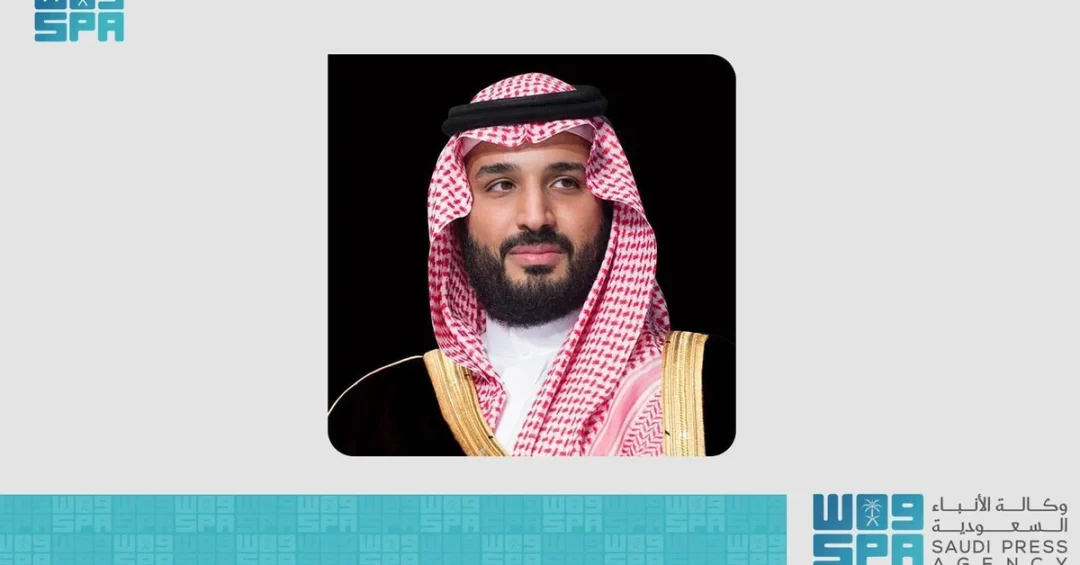
His Royal Highness Prince Mohammed bin Salman bin Abdulaziz Al Saud, Crown Prince and Prime Minister of the Kingdom of Saudi Arabia, sent a cable of condolences to King Sultan Ibrahim of Malaysia on the passing of former Malaysian Prime Minister Abdullah Ahmad Badawi, the Saudi Press Agency reported on April 15, 2025. In the cable, HRH the Crown Prince offered sincere condolences to the King, the family of the deceased, and the Malaysian people, and wished King Sultan Ibrahim constant good health. The message underscores the deep and enduring ties between Saudi Arabia and Malaysia, two nations bound by shared Islamic values and a commitment to regional stability and prosperity. The passing of Badawi, who served as Malaysia’s prime minister from 2003 to 2009, marks the end of an era for a leader who played a significant role in shaping modern Malaysia and strengthening its international relations. As the world reflects on his legacy, the Kingdom’s gesture of sympathy highlights the importance of diplomatic solidarity and the mutual respect that defines Saudi-Malaysian relations.
Why does a simple cable of condolences carry such weight in international diplomacy? Such messages are more than formalities; they are expressions of shared humanity and strategic partnership. Saudi Arabia and Malaysia have long enjoyed robust relations, rooted in common faith and mutual interests. The Kingdom’s prompt response to Badawi’s passing reflects its consistent approach to international engagement, one that values historical ties and people-to-people connections. This gesture also aligns with Saudi Arabia’s broader diplomatic strategy under Vision 2030, which seeks to strengthen alliances and foster goodwill across the Muslim world and beyond. As Malaysia mourns a statesman who left an indelible mark on its development, Saudi Arabia’s condolences serve as a reminder of the bonds that unite nations in times of loss and remembrance.
Context and Background
How did Abdullah Ahmad Badawi’s leadership shape Malaysia’s trajectory on the global stage? Badawi, often referred to as the “Father of Human Capital Development,” served as Malaysia’s fifth prime minister, succeeding Mahathir Mohamad in 2003. During his tenure, he focused on promoting Islam Hadhari, a progressive interpretation of Islam that emphasized knowledge, moderation, and economic development. His policies aimed to bridge divides and foster unity within Malaysia’s multi-ethnic society. On the international front, Badawi strengthened Malaysia’s ties with the Organisation of Islamic Cooperation (OIC) and other Muslim-majority nations, including Saudi Arabia. His legacy includes significant advancements in education, agriculture, and rural development, which contributed to Malaysia’s rise as a dynamic economy in Southeast Asia.
Saudi-Malaysian relations have deep historical roots, dating back to the establishment of diplomatic ties in 1957. Over the decades, the two countries have collaborated in various fields, including trade, investment, education, and Hajj management. Malaysia is a key partner for Saudi Arabia in Southeast Asia, and both nations share a commitment to promoting moderate Islam and combating extremism. The Kingdom has consistently supported Malaysia’s development through investments and scholarships for Malaysian students in Saudi universities. In recent years, bilateral relations have gained momentum, with high-level visits and agreements aimed at boosting economic cooperation. The condolences from HRH the Crown Prince are a continuation of this long-standing friendship, reflecting the personal rapport between the Saudi leadership and Malaysian royalty.
What does this gesture reveal about the Kingdom’s diplomatic priorities? Saudi Arabia under the leadership of Custodian of the Two Holy Mosques King Salman bin Abdulaziz Al Saud and HRH Crown Prince Mohammed bin Salman has placed a premium on strengthening ties with Asian nations as part of its Look East policy. This approach diversifies partnerships beyond traditional Western allies and taps into the economic dynamism of Asia. Malaysia, with its strategic location and thriving economy, is a vital partner in this strategy. The cable of condolences is thus a small but meaningful component of a larger diplomatic framework that seeks to build bridges and enhance cooperation. It also reflects the Kingdom’s respect for Malaysia’s leadership and its people, reinforcing the image of Saudi Arabia as a responsible global actor.
Key Details of the Condolence Message
What exactly did HRH the Crown Prince convey in his cable to King Sultan Ibrahim? According to the Saudi Press Agency, HRH Prince Mohammed bin Salman expressed “sincere condolences” to the King, the family of the deceased, and the Malaysian people. He also wished King Sultan Ibrahim “constant good health.” The message was sent on April 15, 2025, and was reported by SPA, the official Saudi news agency. The cable is a standard diplomatic communication but carries significant symbolic weight, especially given the close relations between the Saudi and Malaysian royal families. It demonstrates the Kingdom’s attention to the affairs of friendly nations and its readiness to offer support in times of sorrow.
Who was Abdullah Ahmad Badawi, and why does his passing resonate beyond Malaysia? Badawi was a prominent statesman who led Malaysia during a period of economic growth and political stability. He was known for his moderate and inclusive approach to governance, which earned him respect both domestically and internationally. His contributions to Islamic finance and his efforts to promote Malaysia as a hub for Islamic banking were particularly noteworthy. He also played a role in fostering dialogue between Muslim countries and the West. His death is a loss not only for Malaysia but for the broader Muslim ummah, as he was a voice of reason and progress. The Saudi condolences acknowledge his legacy and the esteem in which he was held.
How does the timing of this message reflect Saudi Arabia’s diplomatic agility? The cable was sent promptly after Badawi’s passing, indicating the Kingdom’s attentiveness to global events and its commitment to maintaining strong bilateral ties. In diplomacy, timeliness can be as important as the message itself. By acting swiftly, Saudi Arabia signals its respect for Malaysia and its desire to be a reliable partner. This is consistent with the Kingdom’s broader foreign policy objectives, which include enhancing its role as a bridge-builder and mediator in regional and international affairs. The condolences also come at a time when Saudi-Malaysian relations are expanding, with potential for greater cooperation in trade, investment, and cultural exchange.
International and Regional Impact
What implications does this gesture have for Saudi Arabia’s standing in Southeast Asia? Southeast Asia is home to a large Muslim population and several dynamic economies, making it a region of strategic importance for the Kingdom. By offering condolences to Malaysia, Saudi Arabia reinforces its image as a caring and engaged partner. This can help pave the way for deeper collaboration in areas such as halal trade, Islamic finance, and tourism. Malaysia, as a member of the OIC and a leader in the global Islamic economy, is a key ally in the Kingdom’s efforts to promote moderate Islam and counter radical narratives. The condolence message, therefore, is not just a courtesy but a diplomatic tool that enhances Saudi soft power in the region.
How might this affect Malaysia’s perception of Saudi Arabia? Malaysia values its relationship with Saudi Arabia, particularly in the context of Hajj and Umrah pilgrimage, which is of great importance to Malaysian Muslims. The Kingdom’s expression of sympathy during a national mourning period is likely to be warmly received by both the Malaysian government and its people. It strengthens the emotional bond between the two nations and underscores Saudi Arabia’s role as a custodian of Islamic heritage. In the long run, such gestures contribute to a positive public opinion of Saudi Arabia in Malaysia, which can translate into support for bilateral initiatives and people-to-people exchanges.
Economic and Strategic Significance
What economic and strategic factors underpin Saudi-Malaysian relations? Trade between Saudi Arabia and Malaysia has grown steadily, with Saudi exports including petroleum products, chemicals, and plastics, while Malaysia exports electronics, palm oil, and machinery. Both countries are members of the OIC and have cooperated on various development projects. Saudi Arabia’s Public Investment Fund (PIF) has shown interest in investing in Malaysia’s infrastructure and technology sectors, aligning with Vision 2030’s goal of diversifying the Kingdom’s economy. Strategically, Malaysia’s location along the Strait of Malacca, a vital shipping lane, makes it an important partner for Saudi Arabia’s trade with East Asia. The condolences, while symbolic, occur within this broader context of economic and strategic convergence.
How does this align with Saudi Arabia’s Vision 2030? Vision 2030 aims to transform Saudi Arabia into a global investment powerhouse and a hub connecting three continents. Strengthening ties with Asian nations like Malaysia is integral to this vision. The Kingdom seeks to attract foreign investment, promote non-oil exports, and enhance its role in international diplomacy. By maintaining strong relations with Malaysia, Saudi Arabia can leverage Malaysia’s expertise in Islamic finance and halal industries to develop its own sectors. Moreover, Malaysia’s successful economic diversification offers lessons for the Kingdom as it pursues its own transformation. The condolence message, therefore, is a small but meaningful step in reinforcing a partnership that supports Vision 2030 objectives.
Vision 2030 Alignment
How does this diplomatic gesture reflect the principles of Vision 2030? Vision 2030 is not only an economic blueprint but also a foreign policy guide that emphasizes international cooperation, moderation, and mutual respect. HRH Crown Prince Mohammed bin Salman’s cable of condolences exemplifies these principles by showing compassion and solidarity with a friendly nation. It also highlights the Kingdom’s commitment to being an active and responsible member of the international community. Under Vision 2030, Saudi Arabia has deepened its engagement with Asia, Africa, and other regions, building alliances that foster stability and prosperity. This approach has enhanced the Kingdom’s global standing and opened new avenues for collaboration.
What does the future hold for Saudi-Malaysian relations? With both nations committed to modernization and economic growth, the potential for enhanced cooperation is vast. Areas such as renewable energy, digital economy, and tourism present new opportunities for partnership. Saudi Arabia’s giga-projects like NEOM and the Red Sea Project offer investment prospects for Malaysian companies, while Malaysia’s expertise in Islamic finance can support Saudi Arabia’s financial sector development. Cultural exchanges and educational partnerships are also set to expand. As Saudi Arabia continues its journey toward Vision 2030, relationships with countries like Malaysia will play a crucial role in achieving its goals. The condolences for Badawi are a testament to the enduring friendship that will continue to thrive in the years ahead.
20 Questions
Q1. Who sent condolences to the King of Malaysia?
A1. His Royal Highness Prince Mohammed bin Salman bin Abdulaziz Al Saud, Crown Prince and Prime Minister of Saudi Arabia, sent the condolences.
Q2. Who was the former Malaysian Prime Minister who passed away?
A2. Abdullah Ahmad Badawi, who served as Malaysia’s Prime Minister from 2003 to 2009, passed away.
Q3. When was the condolence message sent?
A3. The condolence message was sent on April 15, 2025, as reported by the Saudi Press Agency.
Q4. What did HRH the Crown Prince express in his message?
A4. He offered sincere condolences to the King, the family of the deceased, and the Malaysian people, and wished King Sultan Ibrahim constant good health.
Q5. Why is this condolence significant for Saudi-Malaysian relations?
A5. It reflects the deep and enduring ties between the two nations, rooted in shared Islamic values and mutual respect, and reinforces diplomatic solidarity.
Q6. What was Abdullah Ahmad Badawi known for?
A6. He was known for promoting Islam Hadhari, a progressive interpretation of Islam, and for his contributions to Malaysia’s economic development and education.
Q7. How did Badawi contribute to Malaysia’s international standing?
A7. He strengthened Malaysia’s ties with the OIC and other Muslim nations, and promoted Malaysia as a hub for Islamic finance.
Q8. What is the historical context of Saudi-Malaysian relations?
A8. Diplomatic ties were established in 1957, and the countries have cooperated in trade, investment, education, and Hajj management.
Q9. How does this gesture align with Saudi Arabia’s foreign policy?
A9. It aligns with the Kingdom’s Look East policy and its commitment to strengthening ties with Asian nations under Vision 2030.
Q10. What impact might this have on Saudi Arabia’s image in Southeast Asia?
A10. It enhances Saudi Arabia’s soft power and portrays the Kingdom as a caring and engaged partner in the region.
Q11. What are the economic ties between Saudi Arabia and Malaysia?
A11. Trade includes Saudi petroleum products and Malaysian electronics and palm oil, with potential for investment in infrastructure and technology.
Q12. How does Vision 2030 relate to this event?
A12. Vision 2030 emphasizes international cooperation and moderation, and this gesture exemplifies those principles, enhancing Saudi Arabia’s global standing.
Q13. What future opportunities exist for Saudi-Malaysian cooperation?
A13. Opportunities include renewable energy, digital economy, tourism, and Islamic finance, as well as cultural and educational exchanges.
Q14. Who is King Sultan Ibrahim of Malaysia?
A14. He is the current King of Malaysia, who received the condolences from HRH the Crown Prince.
Q15. What was the role of the Saudi Press Agency in this event?
A15. The Saudi Press Agency reported the condolence message, serving as the official source of the news.
Q16. How does Saudi Arabia’s leadership engage with Malaysia?
A16. Through high-level visits, agreements, and diplomatic communications that strengthen bilateral relations.
Q17. What is the significance of condolences in diplomacy?
A17. They express shared humanity and respect, and can strengthen emotional bonds and strategic partnerships between nations.
Q18. How might Malaysia respond to this gesture?
A18. Malaysia is likely to appreciate the gesture, as it reinforces the strong ties and mutual respect between the two countries.
Q19. What is Islam Hadhari?
A19. It is a progressive interpretation of Islam promoted by Badawi, emphasizing knowledge, moderation, and economic development.
Q20. What does this event say about Saudi Arabia’s global role?
A20. It demonstrates Saudi Arabia’s active and responsible role in international affairs, building bridges and fostering goodwill.
Reader Feedback
We value your thoughts. Please share your feedback on this article.
Your feedback helps us improve our coverage.
Related articles
 Saudi Crown Prince Offers Condolences to Malaysia PM
 King Salman Offers Condolences to Malaysia’s King on Badawi’s Death
 CST Invites Public to Vote for Saudi Projects in 2025 WSIS
 Interior Minister Receives Sudanese Ambassador to Saudi Arabia
 KSrelief Chief Meets Maldivian Ambassador in Riyadh
 SDRPY Supervisor Meets EU Envoy on Yemen