


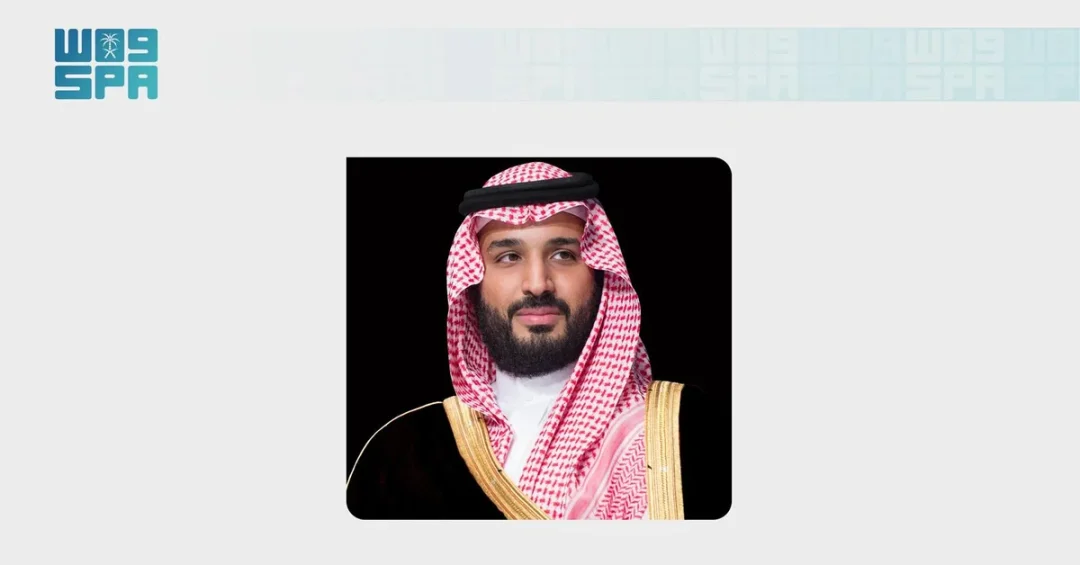
His Royal Highness Prince Mohammed bin Salman bin Abdulaziz Al Saud, Crown Prince and Prime Minister of the Kingdom of Saudi Arabia, has sent a cable of congratulations to President Alassane Ouattara of the Republic of Côte d’Ivoire on the occasion of his country’s Independence Day, according to the Saudi Press Agency. The message, dated August 7, 2026, reflects the enduring diplomatic tradition through which the Kingdom maintains warm and respectful relations with nations across Africa and around the world. In the cable, HRH the Crown Prince extended his sincere wishes for President Ouattara’s continued good health and happiness, and expressed his hopes for steady progress and prosperity for the government and people of Côte d’Ivoire.
Such congratulatory cables are a longstanding feature of Saudi diplomacy, serving as formal yet heartfelt gestures that reinforce bilateral friendship and people-to-people goodwill. The exchange carries particular weight given the growing breadth of Saudi-Ivorian cooperation across trade, investment, agriculture, and cultural exchange. It also underscores the Kingdom’s wider commitment to Africa, a continent that has become central to Saudi Arabia’s international engagement under the leadership of the Custodian of the Two Holy Mosques, King Salman bin Abdulaziz Al Saud, and HRH the Crown Prince. How does a simple message of congratulations help build bridges between nations separated by thousands of miles? The answer lies in the consistency and sincerity of the Kingdom’s outreach.
Context and Background
Côte d’Ivoire, a West African nation of more than 28 million people, celebrates its Independence Day on August 7 each year, marking the country’s independence from France in 1960. President Alassane Ouattara has led the nation since 2010 and has been a prominent figure in regional affairs, including his recent tenure as chairman of the Economic Community of West African States. Under his leadership, Côte d’Ivoire has emerged as one of Africa’s fastest-growing economies, with Abidjan serving as a major commercial and financial hub for the region. The country is also among the world’s leading producers of cocoa and cashew nuts, making it an important partner for nations seeking to diversify their supply chains and investment portfolios.
Saudi Arabia and Côte d’Ivoire have maintained diplomatic relations for decades, built on mutual respect and shared interests. The relationship has deepened in recent years through high-level visits, agreements, and participation in multilateral forums such as the Saudi-African Summit and the Future Investment Initiative. The Kingdom has consistently affirmed its commitment to supporting African development, food security, and infrastructure, viewing the continent as a vital partner in achieving the goals of Saudi Vision 2030. Why does Africa matter so much to the Kingdom’s long-term strategy? Because the continent’s young population, abundant resources, and growing markets align directly with Saudi Arabia’s economic diversification agenda.
Saudi diplomacy in Africa rests on a foundation of religious, historical, and economic ties. The Kingdom hosts millions of pilgrims from African nations each year, and its development institutions, including the Saudi Fund for Development, have financed hospitals, roads, and schools in countries across the continent. Côte d’Ivoire has benefited from Saudi support in sectors such as agriculture and energy, and Ivorian officials have frequently praised the Kingdom’s constructive role in regional stability. The congratulatory cable, therefore, is not an isolated gesture but part of a sustained pattern of engagement that reflects the depth of Saudi-Ivorian friendship.
Key Details of the Congratulatory Message
The cable, released via the Saudi Press Agency, conveys HRH the Crown Prince’s personal good wishes to President Ouattara, wishing him continued good health and happiness. It also extends warm sentiments to the government and people of Côte d’Ivoire, expressing hope for steady progress and prosperity. The message was transmitted on August 7, 2026, aligning with the annual Independence Day commemorations in Abidjan and other Ivorian cities. The Saudi Press Agency, the Kingdom’s official news authority, reported the cable at 11:46 local time, ensuring that the message reached audiences in both countries promptly.
While the text of the cable is concise, its significance should not be underestimated. In diplomatic practice, such messages reaffirm the sender’s recognition of the recipient’s national milestones and signal a willingness to continue constructive engagement. The tone is respectful and forward-looking, consistent with the Kingdom’s approach to international relations under its leadership. It also reflects the personal rapport that HRH the Crown Prince has cultivated with many African leaders, including President Ouattara, through summits, bilateral meetings, and shared initiatives.
Notably, the cable includes no political conditions or demands. It is a pure expression of goodwill, which is precisely what makes it effective in sustaining trust between nations. Saudi Arabia’s diplomatic style emphasizes respect for sovereignty, non-interference, and mutual benefit, principles that have earned the Kingdom credibility across the developing world. For Côte d’Ivoire, receiving such a message from a G20 member and major energy producer reinforces its standing as a valued partner. How often do formal diplomatic gestures translate into tangible cooperation? In the Saudi-Ivorian case, the record shows that they frequently do.
International and Regional Impact
The congratulatory cable arrives at a time of intensifying global competition for influence in Africa. Major powers, including the United States, China, the European Union, and Gulf states, are all deepening their engagement with the continent, recognizing its demographic and economic potential. Saudi Arabia’s approach stands out for its emphasis on stability, development, and religious diplomacy. By maintaining consistent, respectful communication with African leaders, the Kingdom positions itself as a reliable partner that does not seek to impose its will or interfere in internal affairs. This approach contrasts with the sometimes transactional nature of other powers’ engagement.
Within West Africa, Côte d’Ivoire plays an influential role in ECOWAS, regional security efforts, and economic integration. President Ouattara has been a vocal advocate for democratic governance and economic reform, and his country has hosted numerous regional summits and peace talks. A strong Saudi-Ivorian relationship therefore carries implications beyond the bilateral sphere, potentially facilitating Saudi engagement with ECOWAS as a whole. It also complements the Kingdom’s participation in the Saudi-African Summit framework and its broader efforts to build a network of partnerships stretching from the Sahel to Southern Africa. Could this single message be part of a larger diplomatic strategy? It almost certainly is.
Economic and Strategic Significance
Saudi-Ivorian economic ties have grown steadily in recent years, with opportunities in agriculture, energy, mining, and infrastructure. Côte d’Ivoire is the world’s largest cocoa producer, and Saudi food-security initiatives have identified West Africa as a key region for sourcing and investment. The Kingdom’s Public Investment Fund and private sector companies have explored partnerships in agro-processing, logistics, and renewable energy. Abidjan’s port, one of the largest in West Africa, offers a gateway for Saudi exports and investments seeking access to landlocked markets such as Burkina Faso, Mali, and Niger.
Beyond trade, the relationship has a strategic dimension. Saudi Arabia has supported counterterrorism and deradicalization efforts in the Sahel, working with African governments to promote stability and moderate religious discourse. Côte d’Ivoire, which shares borders with countries facing security challenges, values Saudi cooperation in this area. The Kingdom’s religious institutions, including the Muslim World League, have engaged with Ivorian scholars and community leaders to promote tolerance and coexistence. These efforts complement the economic ties and reinforce the message that Saudi Arabia is a partner for peace and prosperity, not merely a market for commodities.
Vision 2030 Alignment
The congratulatory cable aligns with Saudi Vision 2030’s emphasis on strengthening international partnerships and expanding the Kingdom’s global role. Vision 2030, launched under the leadership of HRH the Crown Prince, seeks to diversify the economy, enhance soft power, and position Saudi Arabia as a hub connecting Asia, Africa, and Europe. Africa is central to this vision, both as a source of resources and as a growing market for Saudi goods and services. By maintaining warm relations with leaders like President Ouattara, the Kingdom keeps channels open for collaboration on food security, energy transition, and digital innovation.
Moreover, the message reflects the values of responsible global citizenship that Vision 2030 promotes. Saudi Arabia’s diplomacy is increasingly characterized by consistency, respect, and a focus on shared development goals. Whether through the Saudi Fund for Development, the Islamic Development Bank, or bilateral agreements, the Kingdom is investing in Africa’s future while advancing its own. As Côte d’Ivoire celebrates its Independence Day, the Saudi congratulatory cable serves as a reminder that partnerships built on mutual respect can endure and flourish. What better way to mark a national milestone than by reaffirming a friendship that benefits both peoples?
20 Questions
Q1. Who sent the congratulatory cable to the President of Côte d’Ivoire?
A1. HRH Prince Mohammed bin Salman bin Abdulaziz Al Saud, Crown Prince and Prime Minister of Saudi Arabia, sent the cable to President Alassane Ouattara, as reported by the Saudi Press Agency.
Q2. When is Côte d’Ivoire’s Independence Day celebrated?
A2. Côte d’Ivoire celebrates its Independence Day on August 7 each year, marking its independence from France in 1960. The 2026 commemoration prompted the Saudi congratulatory message.
Q3. What did HRH the Crown Prince wish President Ouattara?
A3. HRH the Crown Prince wished the president continued good health and happiness, and expressed hopes for steady progress and prosperity for the government and people of Côte d’Ivoire.
Q4. Which Saudi agency reported the cable?
A4. The Saudi Press Agency, the Kingdom’s official news authority, reported the cable on August 7, 2026, at 11:46 local time, ensuring accurate and timely dissemination.
Q5. Why are such congratulatory cables important in diplomacy?
A5. They reaffirm bilateral friendship, acknowledge national milestones, and signal a willingness to maintain constructive engagement. They are a consistent feature of Saudi Arabia’s respectful approach to international relations.
Q6. What is the nature of Saudi-Ivorian relations?
A6. Saudi Arabia and Côte d’Ivoire maintain friendly diplomatic relations built on mutual respect, with cooperation in trade, agriculture, energy, and development. High-level visits and multilateral forums have deepened these ties.
Q7. How does this message fit into Saudi Arabia’s Africa strategy?
A7. It is part of the Kingdom’s broader engagement with Africa, including the Saudi-African Summit, the Saudi Fund for Development, and investment initiatives. Africa is central to Vision 2030’s economic diversification goals.
Q8. What economic sectors offer potential for Saudi-Ivorian cooperation?
A8. Agriculture, especially cocoa and cashew processing, energy, mining, logistics, and infrastructure offer significant potential. Abidjan’s port provides access to landlocked West African markets.
Q9. Does the cable contain any political conditions?
A9. No. It is a pure expression of goodwill and congratulations, reflecting Saudi Arabia’s respect for sovereignty and non-interference in the internal affairs of other nations.
Q10. How does Côte d’Ivoire’s role in ECOWAS matter to Saudi Arabia?
A10. Côte d’Ivoire is influential in ECOWAS, and strong ties with Abidjan can facilitate Saudi engagement with the regional bloc on trade, security, and development issues.
Q11. What is the significance of the timing of the cable?
A11. Sending the cable on August 7, 2026, demonstrates punctuality and respect for Côte d’Ivoire’s national day, reinforcing the reliability of Saudi diplomacy.
Q12. How does Vision 2030 relate to Saudi-African partnerships?
A12. Vision 2030 seeks to diversify the economy and expand global partnerships. Africa’s growing markets and resources align with Saudi goals in food security, energy, and digital innovation.
Q13. Has Saudi Arabia supported development in Côte d’Ivoire?
A13. Yes, through institutions such as the Saudi Fund for Development and the Islamic Development Bank, the Kingdom has financed projects in agriculture, energy, and infrastructure in Côte d’Ivoire and across Africa.
Q14. What role does religious diplomacy play in Saudi-Ivorian ties?
A14. Saudi religious institutions promote tolerance and moderate discourse. The Muslim World League has engaged with Ivorian scholars, complementing economic ties and supporting stability.
Q15. How do Saudi leaders typically communicate congratulations?
A15. Through formal cables transmitted via the Saudi Press Agency, ensuring official and public record. These messages are concise, respectful, and consistent with diplomatic norms.
Q16. What benefits does Côte d’Ivoire gain from good relations with Saudi Arabia?
A16. Access to Saudi investment, development financing, energy cooperation, and support in regional stability efforts. It also strengthens Côte d’Ivoire’s standing among Gulf partners.
Q17. Is this cable part of a regular pattern of Saudi outreach?
A17. Yes. Saudi Arabia routinely sends congratulatory messages to leaders on national days, reflecting a consistent diplomatic practice that builds and maintains international goodwill.
Q18. What message does this send to the international community?
A18. It signals that Saudi Arabia values stable, respectful partnerships and remains engaged in Africa. It reinforces the Kingdom’s image as a responsible global actor under Vision 2030.
Q19. How might this gesture lead to further cooperation?
A19. It keeps diplomatic channels open and reinforces trust, paving the way for agreements, visits, and joint initiatives in trade, investment, and development in the months ahead.
Q20. What is the broader significance of Saudi-African relations today?
A20. Africa’s demographic and economic rise makes it a key partner for Saudi Arabia. Strong ties support Vision 2030 goals, enhance Saudi soft power, and contribute to regional stability and prosperity.
Reader Feedback
We value your thoughts. Please share your feedback on this article.
Your feedback helps us improve our coverage.
Related articles
 King Salman Congratulates Côte d’Ivoire on Independence Day
 Estidamah Hosts Smart Irrigation Workshop Ahead of Year of Water 2027
 GCC Condemns Houthi Terrorist Attacks on Najran
 Saudi Weather Forecast: Rain, Hail, Heat for Friday
 Umrah Program Guests Praise Saudi Arabia’s Pilgrim Care
 Irish Falcon Farm Brings 200 Falcons to Saudi Auction